5 Questions for City Lights

by John McMurtrie

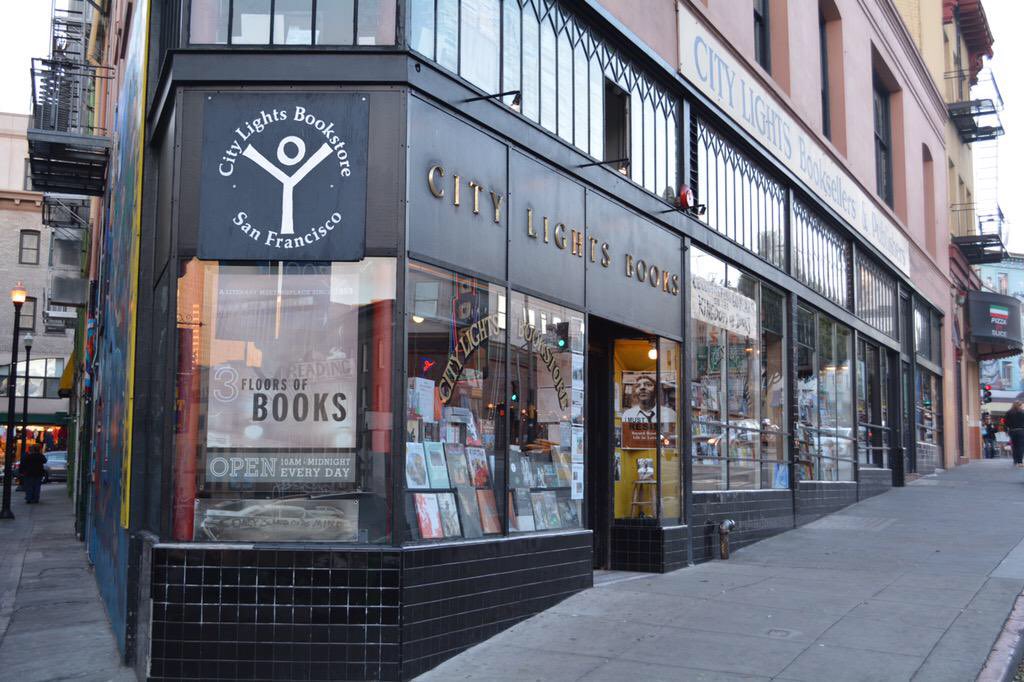
City Lights, the San Francisco bookstore cherished the world over, is celebrating its 70th anniversary this year. Founded by Lawrence Ferlinghetti and Peter D. Martin as the first all-paperback bookstore in the country, the North Beach landmark today stocks a great variety of titles (no longer just paperbacks) on three floors. Elaine Katzenberger, the publisher of City Lights Booksellers & Publishers, has worked at the store since 1987. ZYZZYVA asked her to inaugurate our new weekly feature devoted to independent bookstores. She answered our questions from New York City, where she accepted the National Book Critics Circle’s Toni Morrison Achievement […]

Continue Reading

L.A. stories: ‘Boom Times for the End of the World,’ by Scott Timberg

by Marius Sosnowski

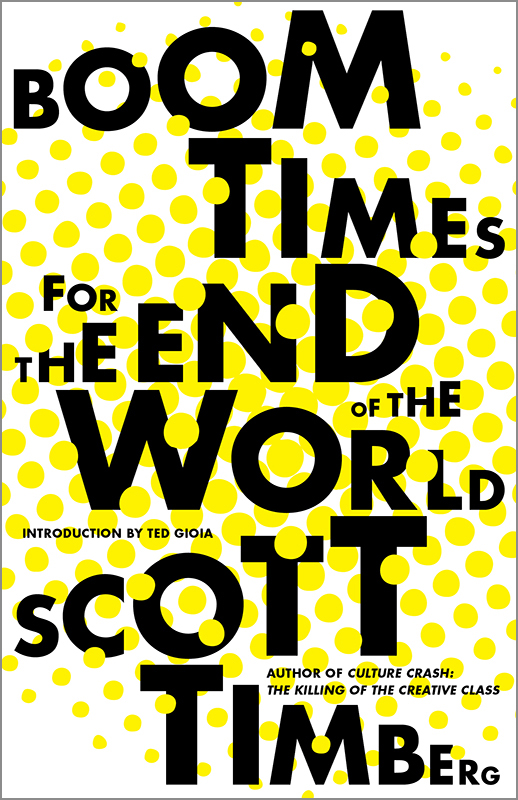
Value is everything. You can tell a lot about a society by what it values. In America, things that move tenaciously with the bravura of a cha-ching—like buildings, prescription pills, and personal data—are big business, practically a national pastime. But what about the arts? The arts are trickier. Art is messy, it’s too human, and by virtue of provoking thought and reflection, too ambiguous (although the market for fine art makes capital use of ambiguity). How do you judge art? What’s it worth? What does it mean? Where’s it from? Who cares? Scott Timberg, former arts reporter for the Los […]

Continue Reading

A new chapter for ZYZZYVA

by ZYZZYVA

Dear ZYZZYVA readers, After more than a decade as editor, Laura Cogan is handing over the duties of her role to Oscar Villalon, the journal’s managing editor. Laura will stay on as editor at large. Oscar is now only the journal’s third editor since its founding in 1985. During Laura’s tenure, work published in the journal was regularly acknowledged and reprinted in the Best American series and in the Pushcart Prize and O. Henry Prize anthologies. ZYZZYVA was also awarded the Council of Literary Magazine and Presses’ Firecracker Award in 2019 for Best Magazine, General Excellence, and in 2022 was […]

Continue Reading

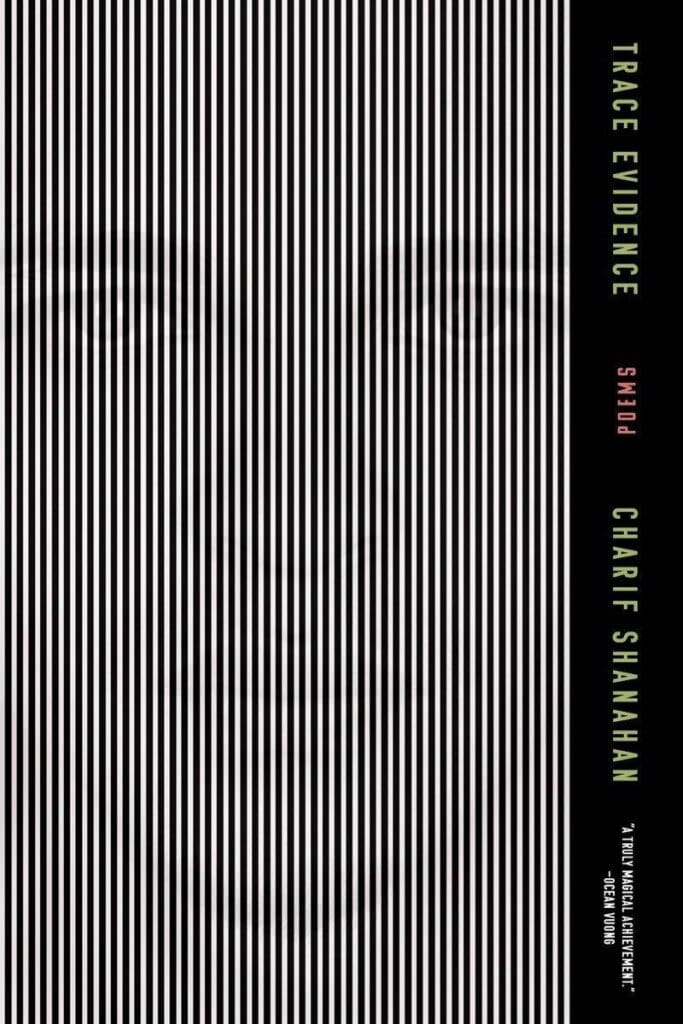
‘Trace Evidence’ by Charif Shanahan: Worlds Apart

by Valerie Braylovskiy

Trace Evidence (93 pages; Tin House Press) is the second collection of poetry by Charif Shanahan, author of Into Each Room We Enter Without Knowing. These poems use language and form to peel back elements of Shanahan’s identity and show how markers like nationality, race, and sexuality intersect within one’s lived experience. The poems feel deeply personal yet rooted in the universal as Shanahan raises profound questions about human nature and what it means to feel displaced in the world. Born in the Bronx to an Irish American father and Moroccan mother, Shanahan— a professor at Northwestern University— discusses his […]

Continue Reading

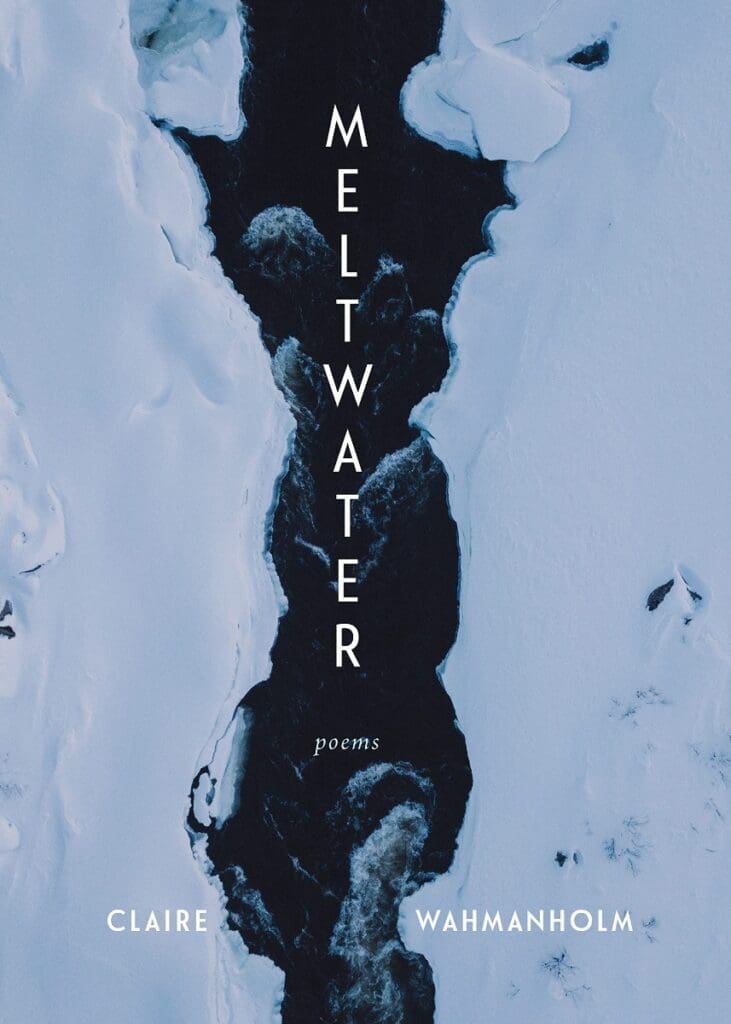
‘Meltwater’ by Claire Wahmanholm: Mother, Earth

by Zoe Binder

Claire Wahmanholm’s latest poetry collection, Meltwater (128 pages; Milkweed Editions), is both a lament for the Earth as it suffers the harmful effects of climate change and a poignant reminder of the joys that make life worthwhile despite this loss. Wahmanholm centers the collection on two recurring series of poems—“Glacier” and “Meltwater”—that follow the anxieties of a person raising children on our threatened planet. In “Glacier,” the speaker battles feelings of grief at the sight of a calving glacier—and guilt at the thought of children experiencing a world without these geological formations: I am trying to say it’s too late […]

Continue Reading

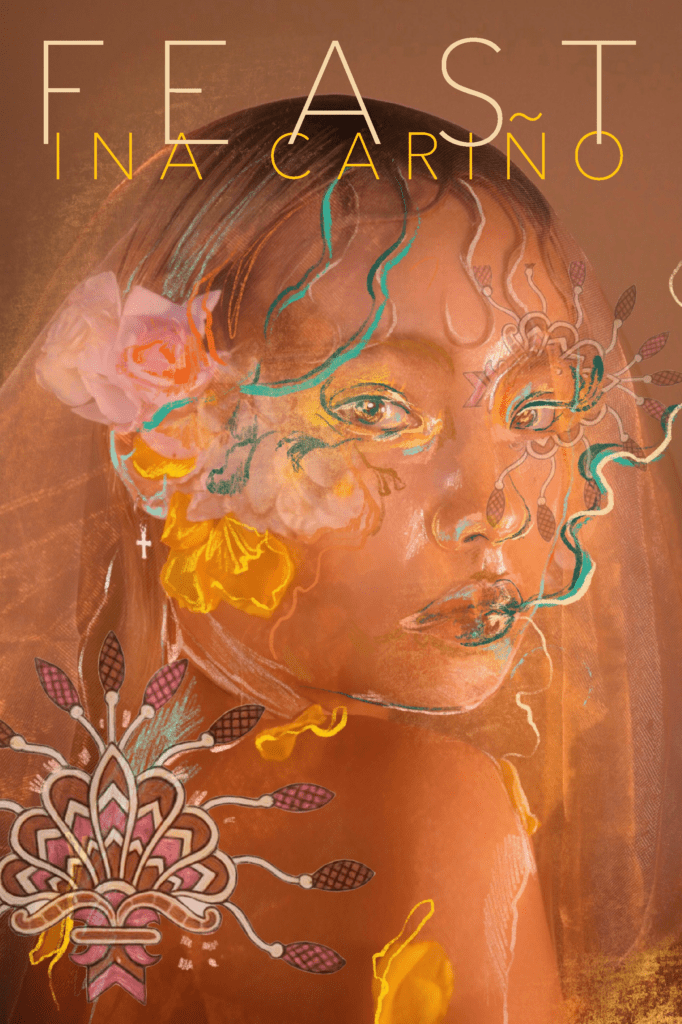
‘Feast’ by Ina Cariño: Food for Thought

by Gus Berg

Ina Cariño, the recipient of a 2022 Whiting Award and a 2021 Alice James Award, is a Filipinix American poet whose work draws heavily on intergenerational nourishment and transformation in marginalized communities. Feast (100 pages; Alice James Books), their first book of poetry, is an enriching collection that satisfies a primal hunger for fulfillment while questioning the social conditions that leave people of color deprived. One of the most disarming things about Feast is the bone-deep rawness of this poet’s voice. Even as they veer away from the realm of possibility, the poems feel real because the speaker’s voice remains […]

Continue Reading

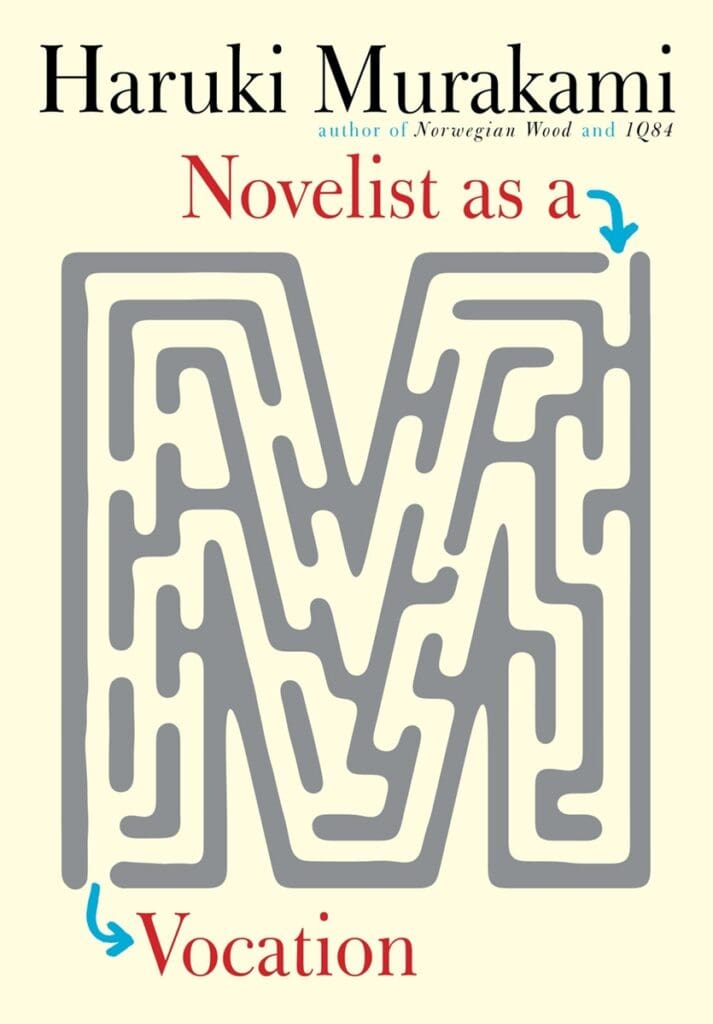
‘Novelist as Vocation’ by Haruki Murakami: Persistence as Key

by Danielle Shi

Novelist as a Vocation (224 pages; Knopf; translated by Philip Gabriel and Ted Goossen) is Japanese literary icon Haruki Murakami’s comprehensive look at his expansive and prolific career, a collection of thoughts on the process, substance, and form of novel writing, as well as the habits that make for a successful novelist. The autobiographical essays chart his path as an author over thirty-five years, spanning from his first novel, Hear the Wind Sing, to more layered and formally complex works such as Killing Commendatore. As a whole, the pieces provide a glimpse into the mind and career of a man […]

Continue Reading

‘Cinema Speculation’ by Quentin Tarantino: Talking Trash

by Paul Wilner

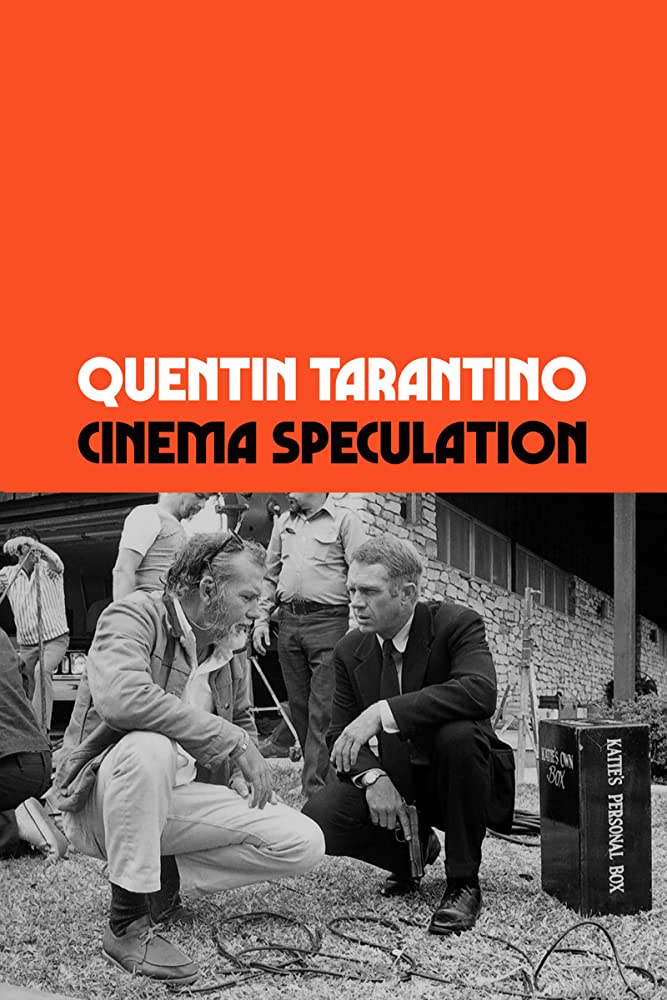
Cinema Speculation (400 pages; Harper), billed as Quentin Tarantino’s “first work of nonfiction,” could easily fall into the category of a quickie volume sold on the basis of the Pulp Fiction auteur’s brand value. So it’s a welcome surprise that this book is entertaining, smart, and vivid. Tarantino hasn’t been making the talk-show circuit as much as the pre-streaming old days (for a while, he was a fixture with the now-discredited Charlie Rose), but he brings the same feisty, movie-mad energy to his prose as he did to his early breakthrough films.             Even his book’s title seems like a […]

Continue Reading

Q&A with Madelaine Lucas: ‘Thirst for Salt’ and the Roots of Desire

by Valerie Braylovskiy

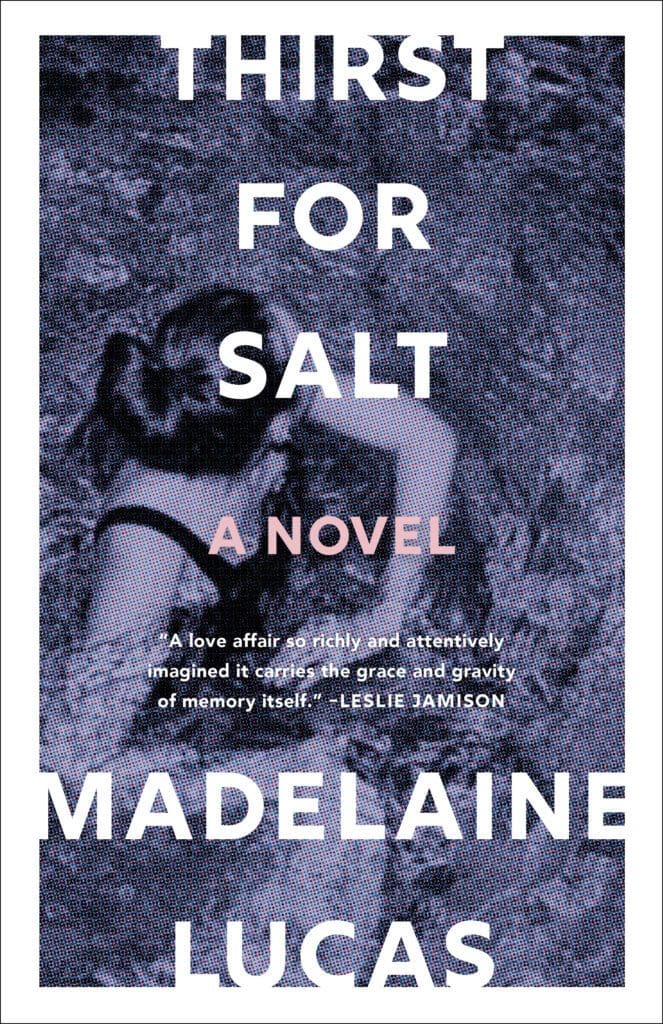
Madelaine Lucas’s first novel, Thirst for Salt (272 pages; Tin House Books), centers on an unnamed female narrator and her love for an older man, offering profound reflections on how the absence of affection can still take up space in one’s life. Throughout the story, notions of desire are uprooted by the impermanence of relationships, places, and the self. Lucas writes with a poetic precision that captures the sharp and mellow edges of love, as well as its intersections with grief. Born in Australia, Lucas now lives in New York, where she is senior editor of the literary magazine NOON […]

Continue Reading

Remembering Book Editor Pat Holt

by Regan McMahon

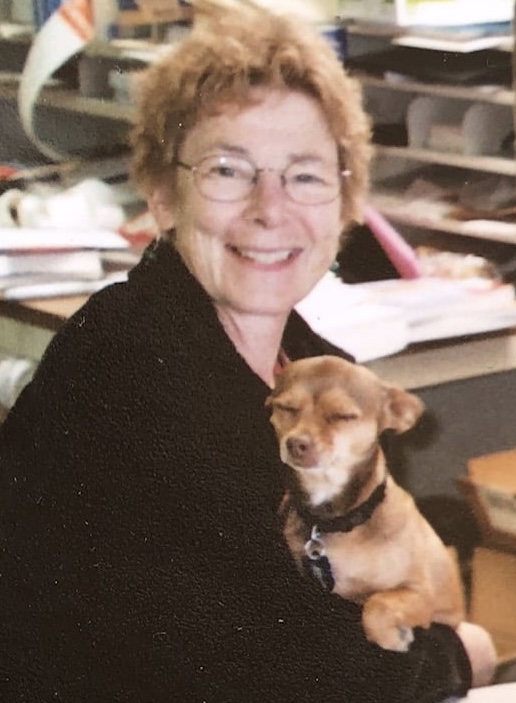
When the Loma Prieta earthquake struck the Bay Area in 1989, Pat Holt remained at her desk, ignoring a co-worker’s urgent plea to take cover—choosing instead to stay on a phone call, making her passionate case to an author or publisher while her office swayed and rattled and books fell off the shelves around her. Such was Pat’s dedication to her work as the former book editor, critic, and columnist for the San Francisco Chronicle. Pat, who devoted her career to her love of books, died December 3 at her home in San Francisco following a brief battle with cancer. […]

Continue Reading

‘Auto/Body’ by Vickie Vértiz: Driving Force

by Gus Berg

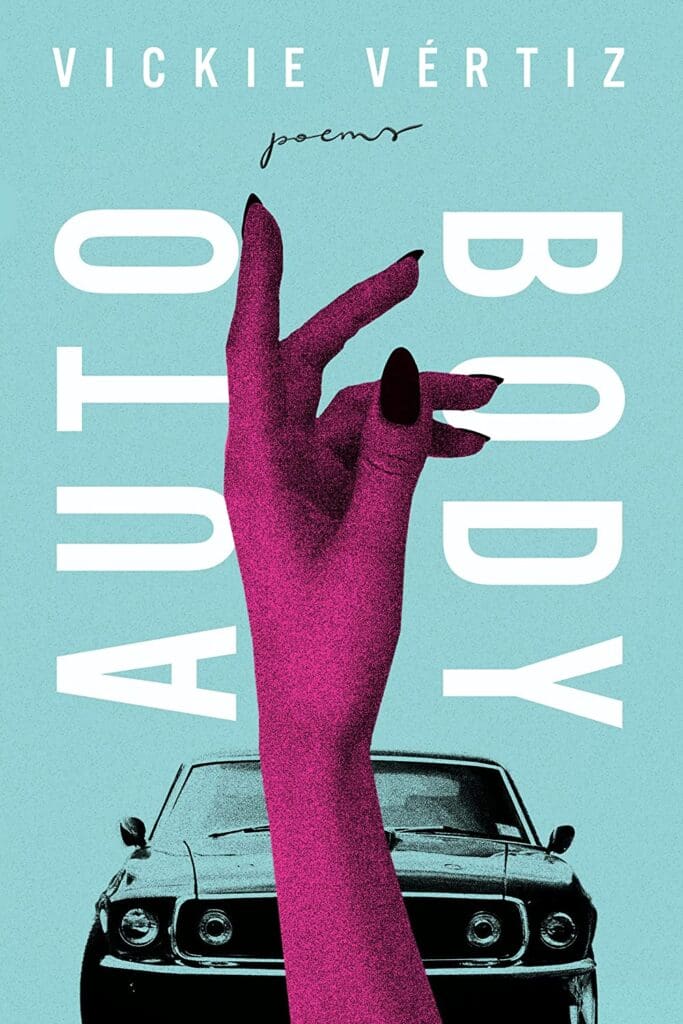
The title of Vickie Vértiz’s latest poetry collection, Auto/Body (90 pages; University of Notre Dame Press), suggests the inner workings of cars, but its focus has to do with the harnessing and distribution of power, personally and societally. Sometimes fueled by rage, sometimes by desire, this power serves as the driving force behind this collection. Vértiz is a Mexican American poet who teaches at UC Santa Barbara. She divides her book, which won the Ernest Sandeen Prize in Poetry, into three sections: Alternator, Distributor, and Transmission. The first section sets the tone with its sense of righteous anger. In an […]

Continue Reading

Carrying On: ‘Afterglow: Climate Fiction for Future Ancestors,’ Edited by Grist

by Zoe Binder

The twelve stories in the anthology Afterglow: Climate Fiction for Future Ancestors (223 pages; The New Press) take readers into the future and across the globe to witness how humanity has persevered in the face of climate-crisis-induced destruction. Across its pages, readers are treated to exhilarating inventiveness, as the various contributors imagine science-fiction concepts like AI pollinators and plastic-eaters, a program that can translate the thoughts and emotions of animals, and suits that allow humans to wield the distinct strengths of insects like spiders and termites. However, the collection doesn’t simply present imagined solutions to climate change. Many of the […]

Continue Reading