
Order your copy of Issue 126 today! Fiction Poetry Nonfiction In Conversation Art Order your copy now! […]
OUR CURRENT ISSUE, NOW AVAILABLE
by ZYZZYVA
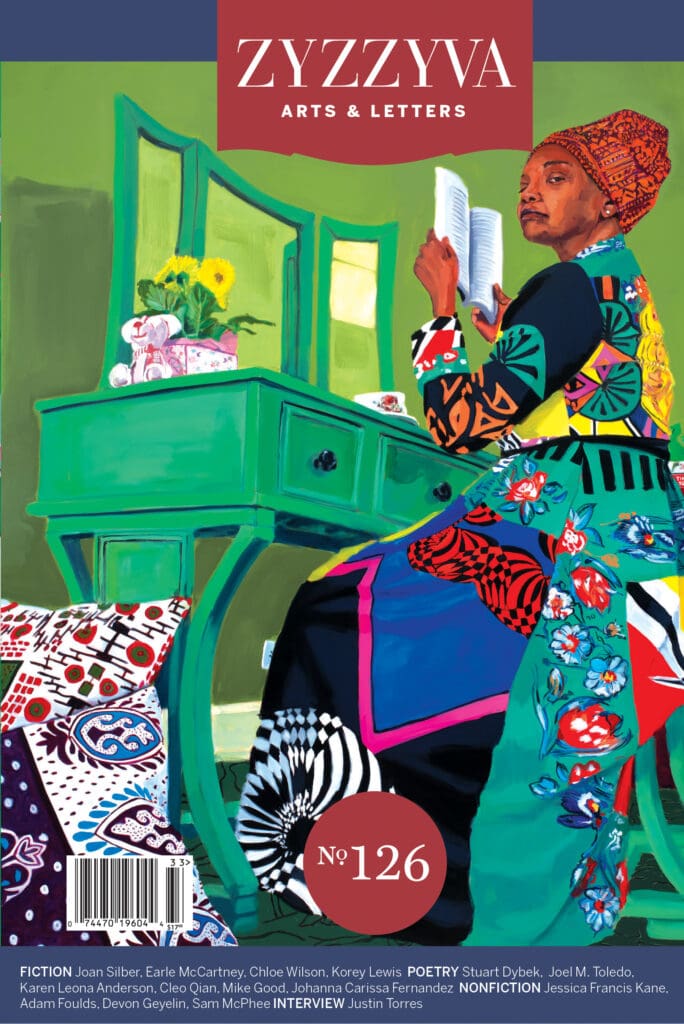
Order your copy of Issue 126 today! Fiction Poetry Nonfiction In Conversation Art Order your copy now! […]
It happened with great simplicity, without affectation. — Virgilio Piñera One early May afternoon at a café on Rue Scribe, a strange man presented himself to the university students as France’s greatest translator. Yet when these students looked into the name this man had given, they could find no trace of either him or his work. The stranger lingered a half an hour or so and, finding the students more interested in drinking with their young friends than in theorizing translation with some old and unknown quantity, went on his way. The following week on the same day, at the […]
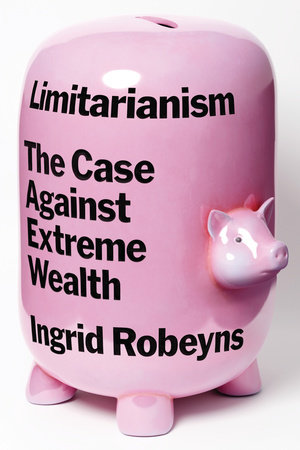
Not that long ago, it would have been dangerous to denounce “extreme wealth,” as the Dutch scholar Ingrid Robeyns calls it in her new book, Limitarianism: The Case Against Extreme Wealth (Astra House; $28). But then along came the financial crisis of 2008, and the global Occupy movement that surfaced in 2011 and popularized the notion that one percent of the U.S. population controls most of the wealth—and that the 99 percent have been excluded from the American Dream. Soon, dozens of books, flooded the marketplace. Joseph Stiglitz’s The Price of Inequality (2012), T.M. Scanlon’s Why Does Inequality Matter? (2008), […]

Mónica Ojeda’s latest novel speaks in many different tongues, including Catalan slang and plain nonsense, and both its triumphs and challenges come from that. Translated from the Spanish by Sarah Booker, Nefando (Coffee House Press; $17.95) details the creation of a darkly twisted video game, the titular Nefando, by three siblings with satellite help from their trio of roommates in Barcelona: Kiki is the writer, her friend Iván is a master’s student with violent gender dysmorphia, and El Cuco Martinez, the most popular and chatty roomie, is a video game designer moonlighting as Robin Hood. Then there are the Teráns—Irene, […]
We showed up with a U-Haul and a Prius and could not see the ocean. They lay it on thick there, a friend had said of Pacifica, two, three weeks at a time. We pulled off at the bluffs before taking our things to the cottage on Winona. Five hours it took for the cat to fall asleep, and the door chimes woke him. The Pacific was hard and restless in the fog. It was entirely improvised, they say. An hour and six minutes streaming back and forth between jazz and classical, and broken across four parts. The concert became […]
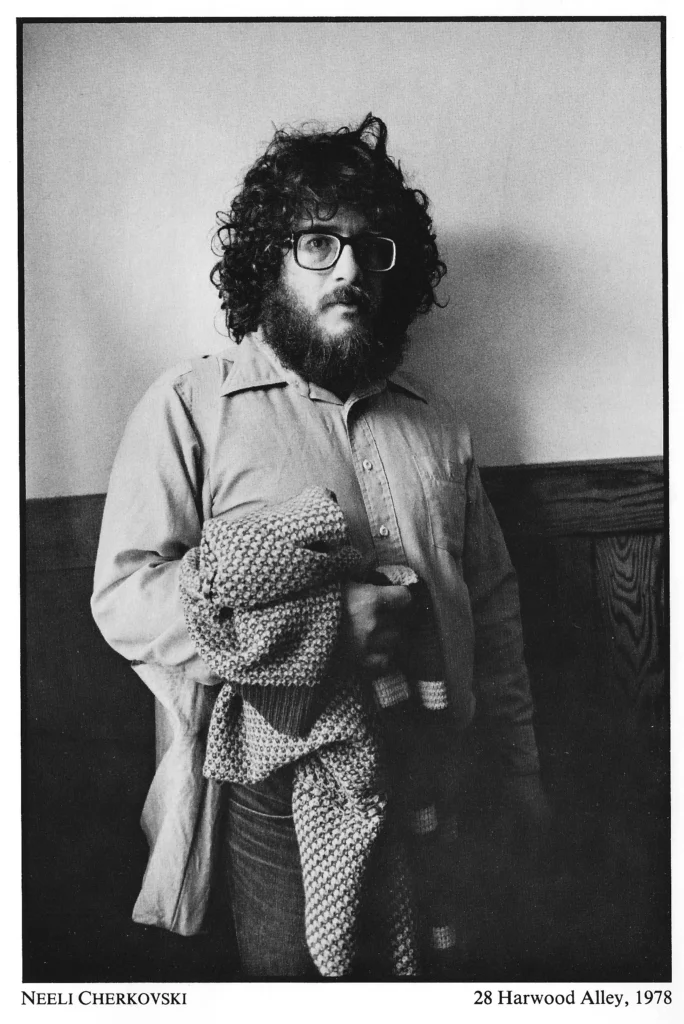
Neeli Cherkovski was that rare figure who both chronicled a vibrant literary culture and contributed to its flourishment. Cherkovski, who died on March 19 at age 78, was a Zelig of sorts, long at the center of the literary scenes of San Francisco and Los Angeles; he wrote biographies of Lawrence Ferlinghetti and Charles Bukowski, co-edited a Los Angeles literary magazine (Laugh Literary and Man the Humping Guns), founded the San Francisco Poetry Festival, and wrote poetry collections (Animal, Elegy for Bob Kaufman and Leaning Against Time). A native of Southern California, Cherkovski had made San Francisco his home for […]
According to a spate of recent articles in The New York Times and elsewhere, American workers and their trade unions are “flexing their muscles.” Indeed, a survey conducted by Margaret Poydock and Jennifer Sherer that was published by the Economic Policy Institute says “major strike activity” in the U.S. increased by 280 percent in 2023. Headlines amplify the data. In September 2023, more than 12,000 workers went on strike at General Motors and Ford. In October 2023, more than 75,000 Kaiser Permanente health care workers staged the largest recorded health care strike in U.S. history. A month later, roughly 5,000 […]
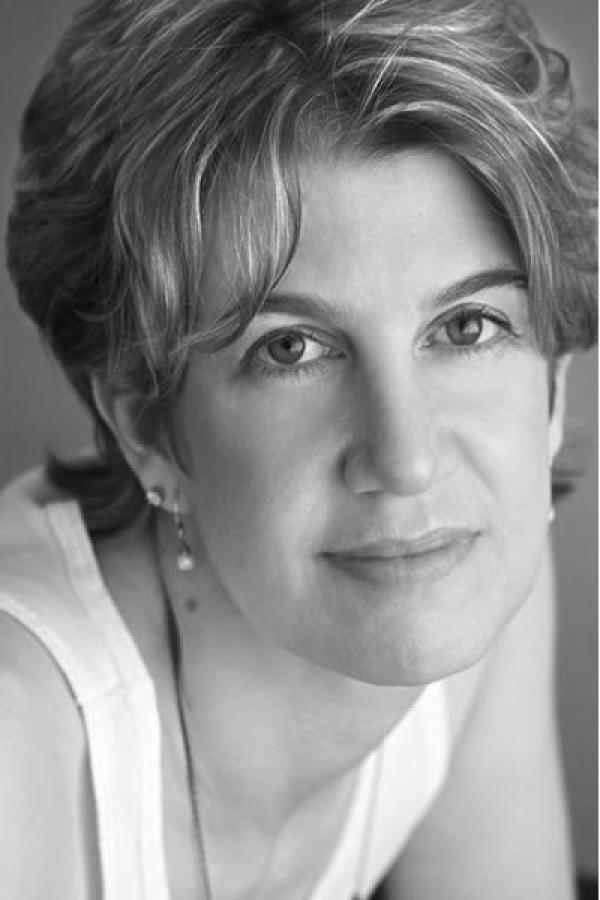
I always sensed beast in the house. From the time I could sense anything, I knew I could reach for and grip onto a shaggy coat, pull myself up to lean against a beastly wall of muscle. I knew the scent of tartar breath, the scalloped air of a swinging tail, the sponge of a
[…]
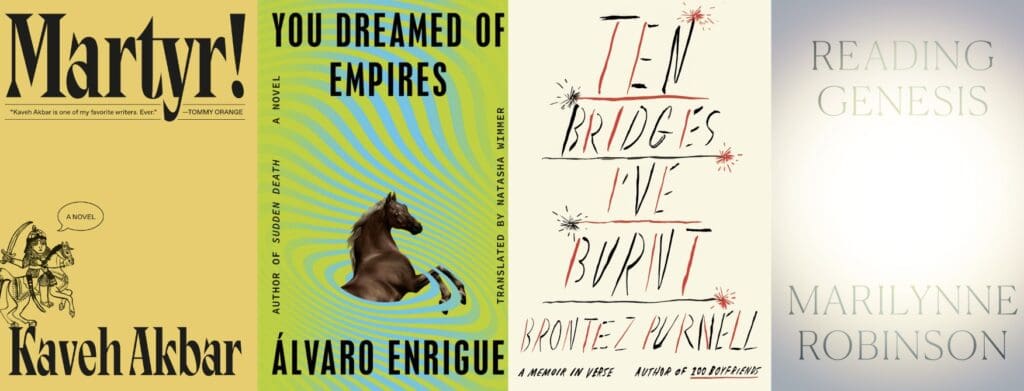
Martyrdom. Late capitalism. The meeting of Cortés and Moctezuma. They’re all the subjects of new books that stand out this season. Also out are the latest works by Hanif Abdurraqib, Tommy Orange, Brontez Purnell, and Marilynne Robinson—every one of them authors that delve into unconventional terrains with singular styles. You Dreamed of Empires, by Álvaro Enrigue; translated by Natasha Wimmer (Riverhead; $28). Enrigue, a Mexican author who lives in New York City, follows up his celebrated 2013 tennis novel Sudden Death with a historical recounting of Cortés and Moctezuma’s fated interaction. To some, “The Meeting” teleologically collapsed into religious conversion; Enrique spins some sin into this […]
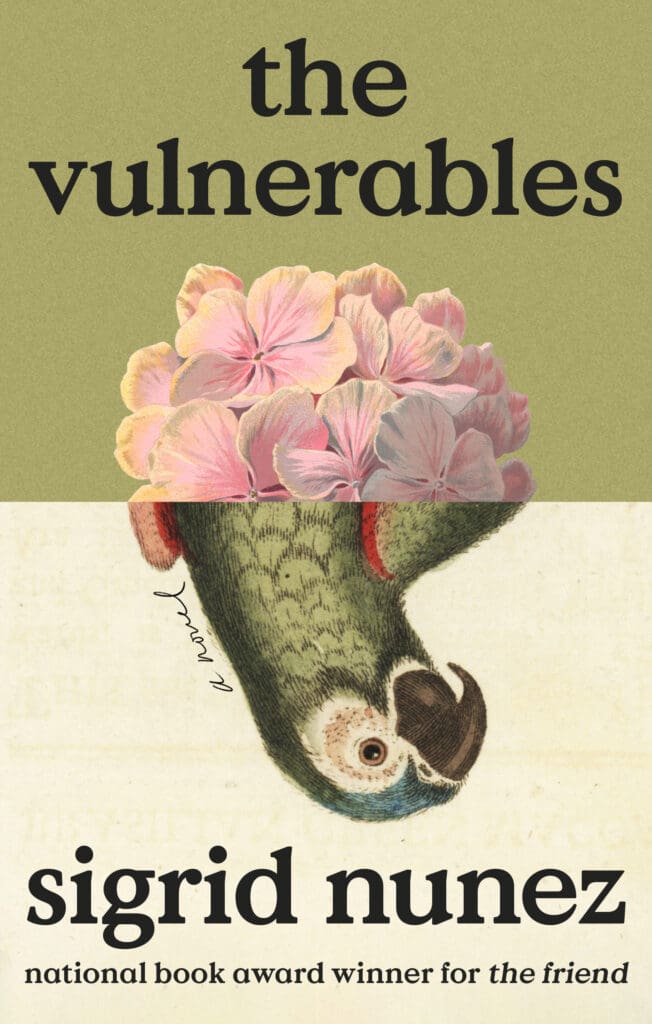
Sketched from memory by a first-person narrator, The Vulnerables (Riverhead; 242 pages) appears at first to be a kind of memoir, the remains of an aging writer’s observations during her time in pandemic-stricken New York. Considering the volume of novels that have emerged from this period, it’s unsurprising that Sigrid Nunez’s most recent book portrays the city as though it were a still-life object, that the narrator ponders her relationships with the gifts of retrospect and distance. Of course the lockdown demanded self-reflection. Of course it resulted in unusual living arrangements with unlikely groups of people. Even the plot is […]
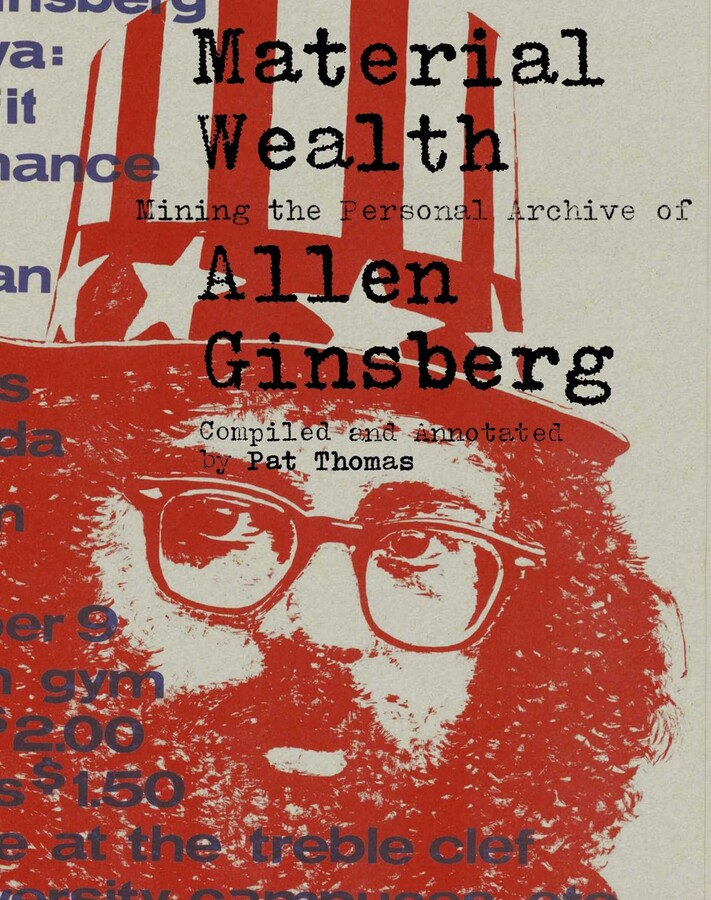
“Unscrew the locks from the doors! Unscrew the doors themselves from their jambs!’’ So prophesized Allen Ginsberg long ago, channeling Walt Whitman in the epigraph to “Howl,’’ a literary debut that with time seems ever more distant, yet still completely present. Over the course of his remarkable career, Ginsberg resurrected distinguished predecessors from Whitman to William Blake from the tyranny of schoolbooks. He famously served as guiding light, mentor, and press agent to Jack Kerouac, William S. Burroughs, Gregory Corso, and too many others to mention, bringing the spoken word back into public discourse while remaining at the vital center […]
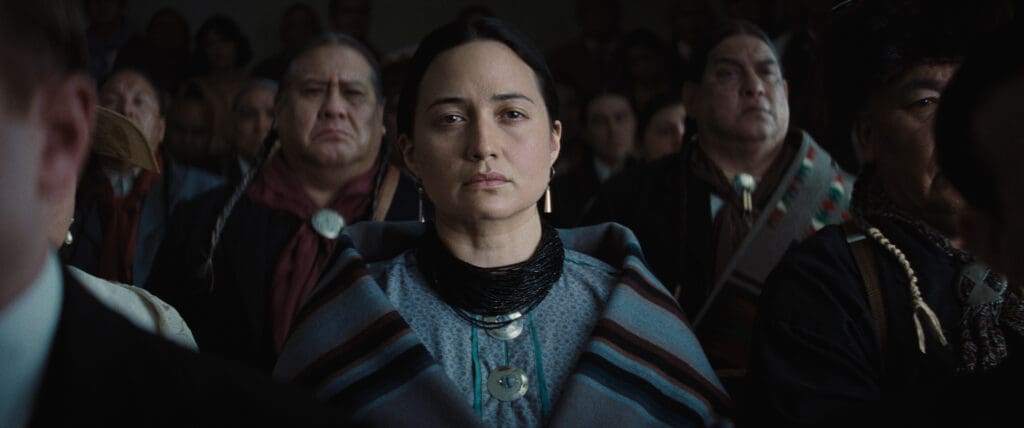
Killers of the Flower Moon, Martin Scorsese’s Oscar-nominated film, begins with Osage men somberly performing a traditional pipe ceremony. It cuts to a slow-motion scene of tribal members exuberantly dancing in a field, crude oil gushing around them. Get it? Indians are sacred, ancient in their care and devotion to the natural world. Suddenly, though, they will be challenged by settler wealth and greed. In little time, we are then introduced to Scorsese’s central characters: Mollie Kyle, played by American Indian actress Lily Gladstone; Ernest Hale (Robert De Niro); and Ernest Burkhart (Leonardo DiCaprio). Scorsese, with his co-writer Eric Roth, […]
Translated from the Spanish by Robin Myers 1. I’m interested in the language of animals. 2. Whales, especially the humpback whale and the various subspecies of blue whale, are known to make repetitive sounds with different frequencies we consider to be songs. 3. When we look at animals, we hope to find virtues we lack. 4. Although sexual selection is thought to be their primary purpose, whale songs remain a mystery to scientists. 5. The human body is a symphony. (Charles Ives) 6. The universe is a symphony. (John Cage) 7. Nothing suggests that whales are trying to communicate with […]