
Nonfiction Fiction Poetry In Conversation Art […]
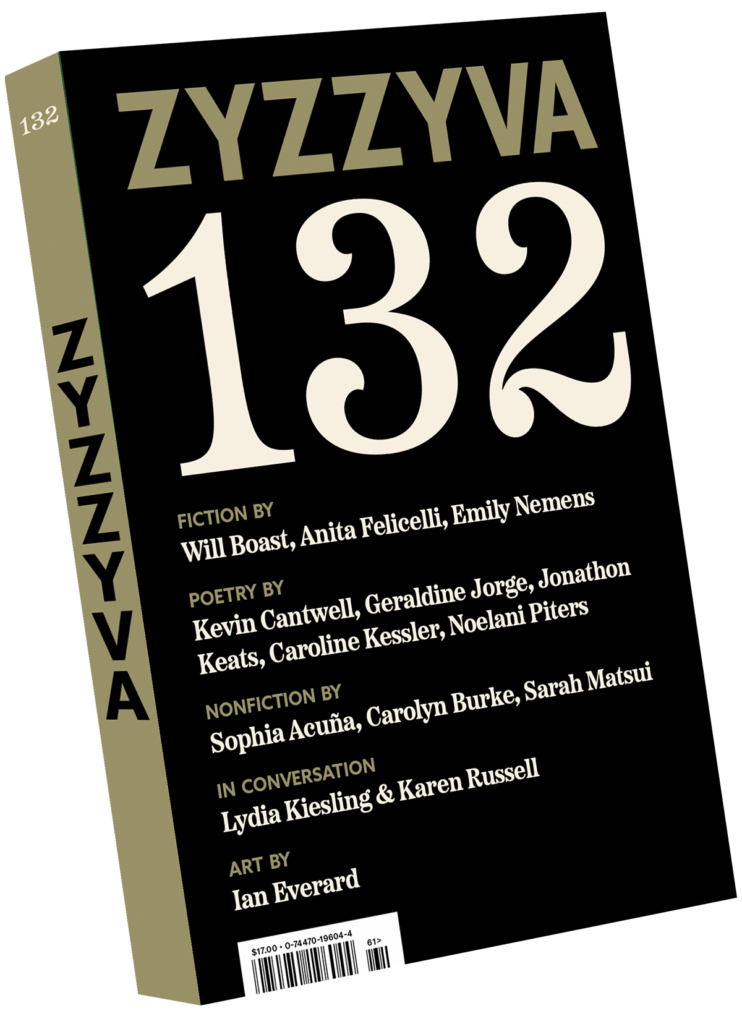
Issue No. 132
by ZYZZYVA Staff
Nonfiction Fiction Poetry In Conversation Art […]
ZYZZYVA Movie Night with Ingrid Rojas Contreras 6 p.m., Thursday, September 17The Roxie3125 16th Street, San Francisco The second installment of the series will be screening Margreth Orlin’s Songs of Earth (2023) and feature guest author Rebecca Solnit. Co-hosted by Ingrid Rojas Contreras and Editor Oscar Villalon. Tickets available here. In Conversation with Laleh Khadivi 7 p.m., Tuesday, September 26The Booksmith1727 Haight Street, San Francisco Laleh Khadivi discusses her new novel, Female Life on Planet Earth (Ecco/HarperCollins), with Editor Oscar Villalon. Free, but RSVPs encouraged. More information here. ZYZZYVA Movie Night with Ingrid Rojas Contreras 12:30 p.m., Saturday, October 17The […]
Nonfiction Fiction Poetry In Conversation Art […]
Nonfiction Fiction Poetry In Conversation Art […]
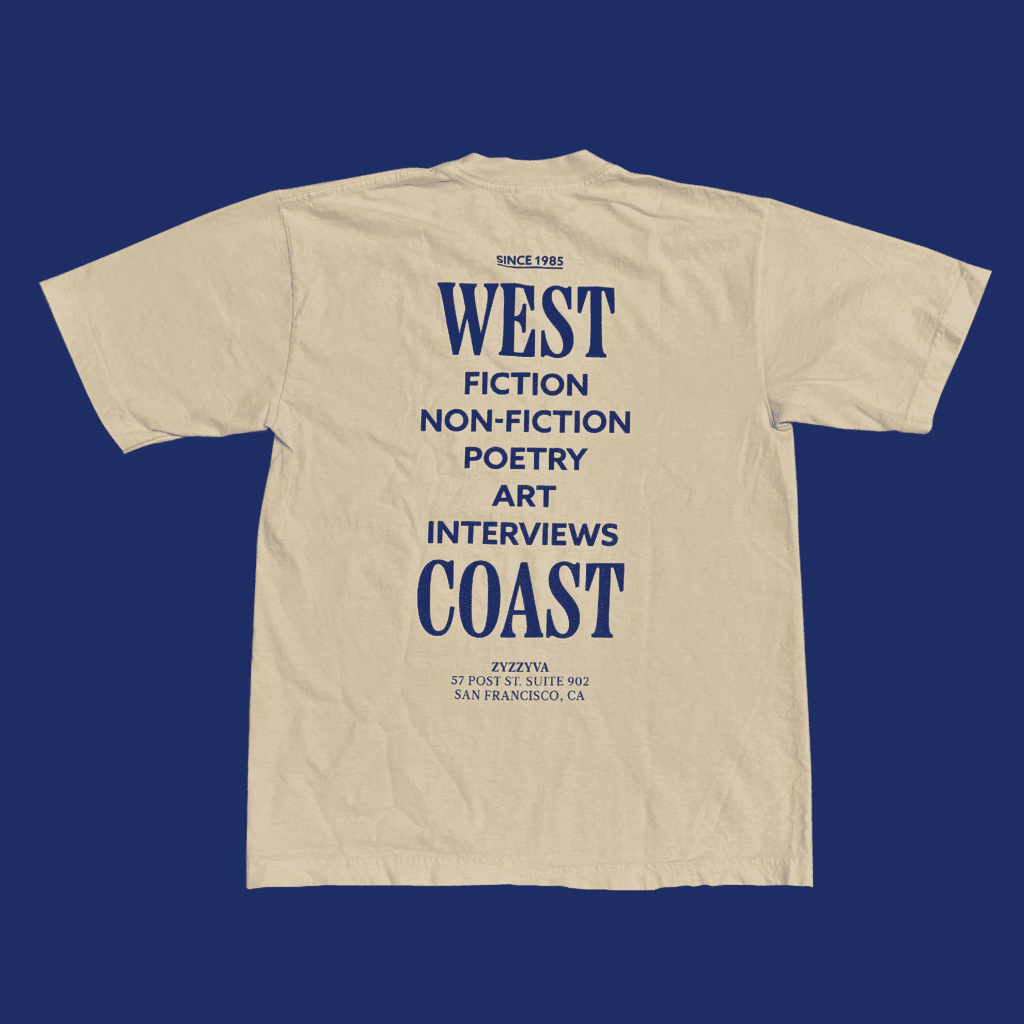
Celebrate ZYZZYVA while looking stylish, too! The cream T-shirt comes in all sizes, features a ribbed neck, and is made from 100 percent USA cotton. Manufactured by Los Angeles Apparel, with the design printed by San Francisco’s Babylon Burning, this T-shirt is about as California as it gets. Order here. People have loved our red-and-blue totes, but now you have your choice of two color schemes to choose from. Our new offering is a black canvas tote with cream lettering—at once bold and elegant. Order here. And if you’d like to get either of these items along with a subscription, […]
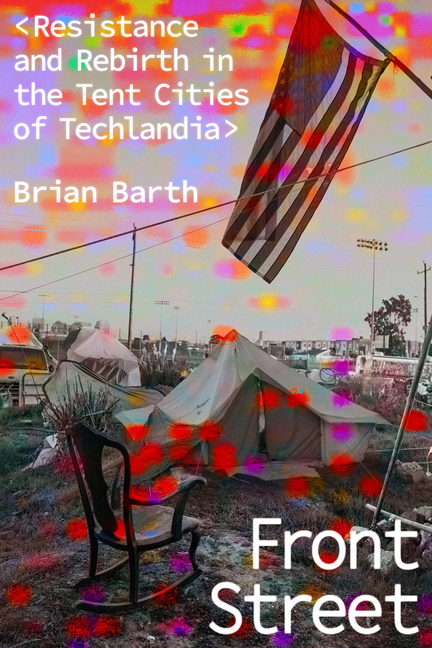
The Bay Area was a groundswell for experiments in communal living during the 1960s and ’70s. Few would associate the utopian spirit of those projects, which were often motivated by the desire to leave the city and its ills, with the urban encampments that have come to shape the region’s public landscape in more recent years. In Front Street: Resistance and Rebirth in the Tent Cities of Techlandia (304 pages; Astra House), however, Brian Barth makes a case for a spiritual lineage leading directly from the countercultural collectivism of the ’60s to the camps cropping up in San Jose and […]
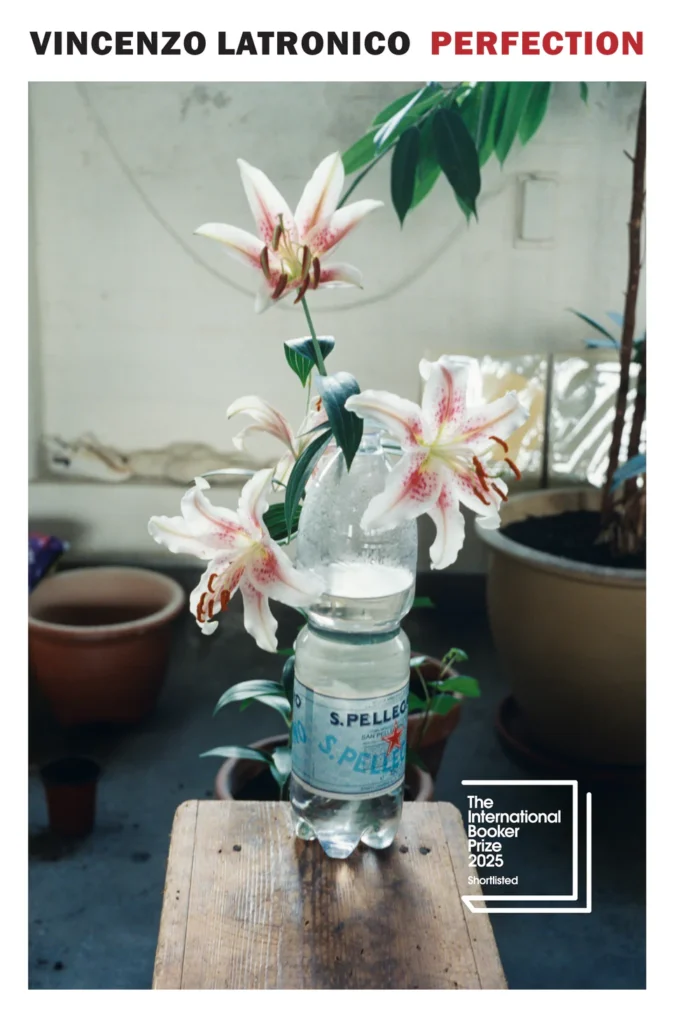
Popular novels about the internet tend to deride, explicitly or not, a certain perceived generational disaffectedness. “We don’t want to do anything challenging, such as what living requires,” declares the narrator of Lauren Oyler’s Fake Accounts. Instead, we––meaning mostly younger Millennials with jobs and social lives inextricable from the internet––want to live in an effortless and lifeless montage of familiar images. This aversion to difference and agency seems to flow from the alienation of social media. It also shapes the visual appearance of the world, producing a sanitized urban aesthetic that author Kyle Chayka called “Airspace” in 2016, referencing the […]

It felt very fitting to launch Even Strange Ghosts Can Be Shared: The Collected Letters at Jack Spicer (Wesleyan, 2025) at UC Berkeley’s Wheeler Hall. The campus was a key location for the California poet Jack Spicer (1925-1965) at the bookends of his poetic career. Spicer would designate his arrival at Berkeley in 1946 as the year of his birth. In the late 1940s, he organized the Writers Conference poetry workshops in Wheeler Hall, the first of the many alternative poetry spaces he curated on the margins and outskirts of academia. In 1965, Spicer lectured and read at the Berkeley […]

Taste, Naomi Kanakia explains, is one facet of how Great Books shape us. Our ability to appreciate great literature, to “discriminate, to discern fine nuances, and to see what truly exists within an object, versus what we are projecting onto it,” is cultivated by reading classics made timeless by their rigor, honesty, and care. Through an intimate discourse on identity and literature, What’s So Great About the Great Books: Why You Should Read Classic Literature (Even Though It Might Destroy You) (272 pages; Princeton University Press), interrogates the canon. Kanakia’s comprehensive survey of books draws on several traditions, borrowing from […]
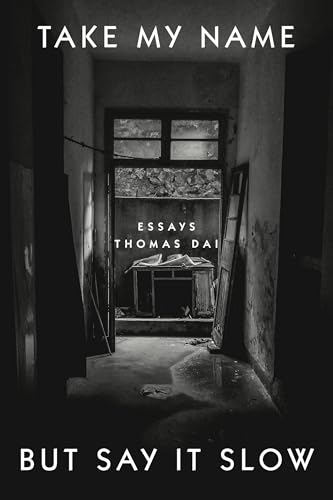
In Thomas Dai’s essay collection Take My Name but Say It Slow (288 pages; Norton), Dai crafts deeply contemplative meditations on growing up Chinese American and navigating queer identity. The diptych of parallel reminisces that composes pieces such as “Running Days” and “Driving Days” evokes calm summers in Wenzhou made meaningful by his grandparents’ steady presence, as well as the particularities of traveling alone as an MFA student, styling himself after butterfly-lover Vladimir Nabokov and gay photographer Tseng Kwong Chi. Dai’s astute observations about identity fold back on themselves in Eastern-inflected asides on Chinese philosophy and nonbeing, and through nostalgic […]
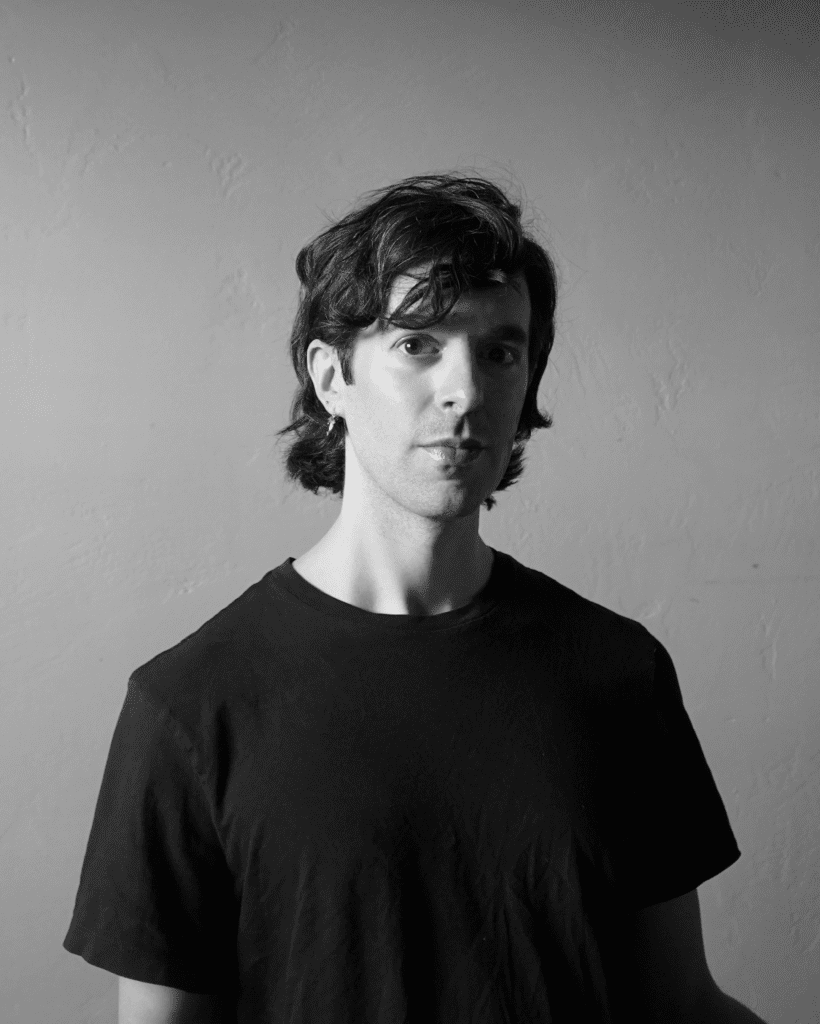
One poem in Jake Rose’s debut collection JOAN, which was published in April,reads: “sometimes a metaphysical door opens and you just have to / gawk and that’s when your mouth gets wide enough / to speak.” This line is an apt descriptor of the collection itself, which was the winner of the 2026 Phoenix Emerging Poets Book Prize. Collapsing biography and autobiography, the poetry of JOAN explores queer identity, grief, and desire through the life of Joan of Arc. The poems stretch and reach—through time, emotions, histories, and selves. They refuse the stagnancy of boundaries and assert transformation. Rose, a […]
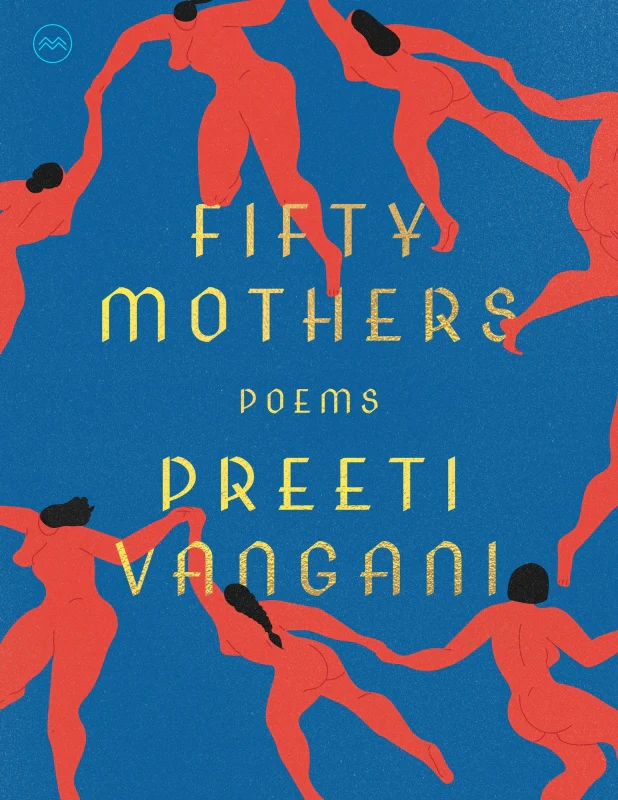
Preeti Vangani’s searing, sharp Fifty Mothers (67 pages; River River Books) captures the essence of grieving a parent. The linked poems in the collection reach for emotional highs and nadirs; rage makes peace with eros and falls back toward love. The collection, set in Bombay though Vangani now lives in San Francisco, is bookended by pages from the poet’s late mother’s college diaries, the first page taken from 1984-85. The diary’s details read like an erasure—what would have been her mother’s narrative overwritten by details about Vangani’s father’s identity, the couple’s shared bank account. The inclusion suggests Vangani’s light humor […]
In 2025, wildfires again broke records. The year began with the Eaton and Palisades fires, and over the course of the year, ten thousand more wildfires burned than the ten-year average. We live in a world where megafires occur with regularity, alongside disasters like the Lahaina, Palisades, and Eaton fires. While we may become inured to political headlines, the again-ness winning out, the proliferation of destructive wildfires continues to increase both in the American psyche and in reality. And who better to write on these fires than those who fight them? In three memoirs released last summer, authors recount their […]
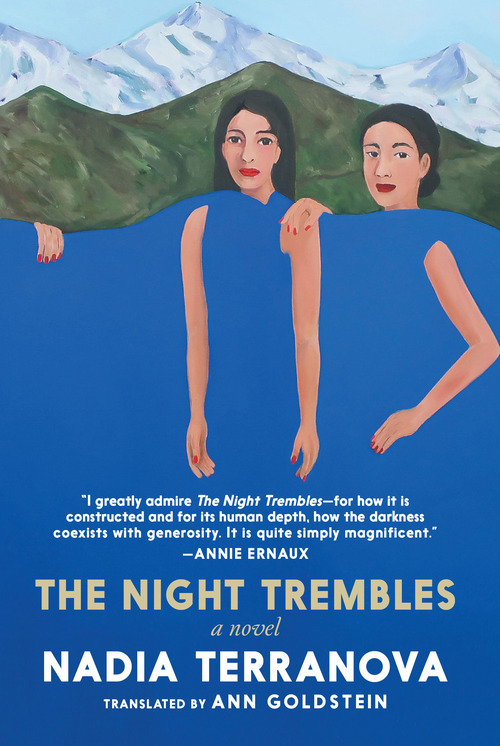
The author of acclaimed novels that have been translated into many languages, Nadia Terranova is one of the most prominent voices of contemporary Italian literature. In 2020, her first novel translated into English, Farewell Ghosts, was published by Seven Stories Press and was translated by Ann Goldstein (the noted translator of Elena Ferrante). A critical success in Italy, the novel was awarded the Premio Alassio Centolibri and named a finalist for the Premio Strega. Her second and latest novel to be published in English, The Night Trembles, came out in 2025 from Seven Stories Press and also was translated by Goldstein. Last […]
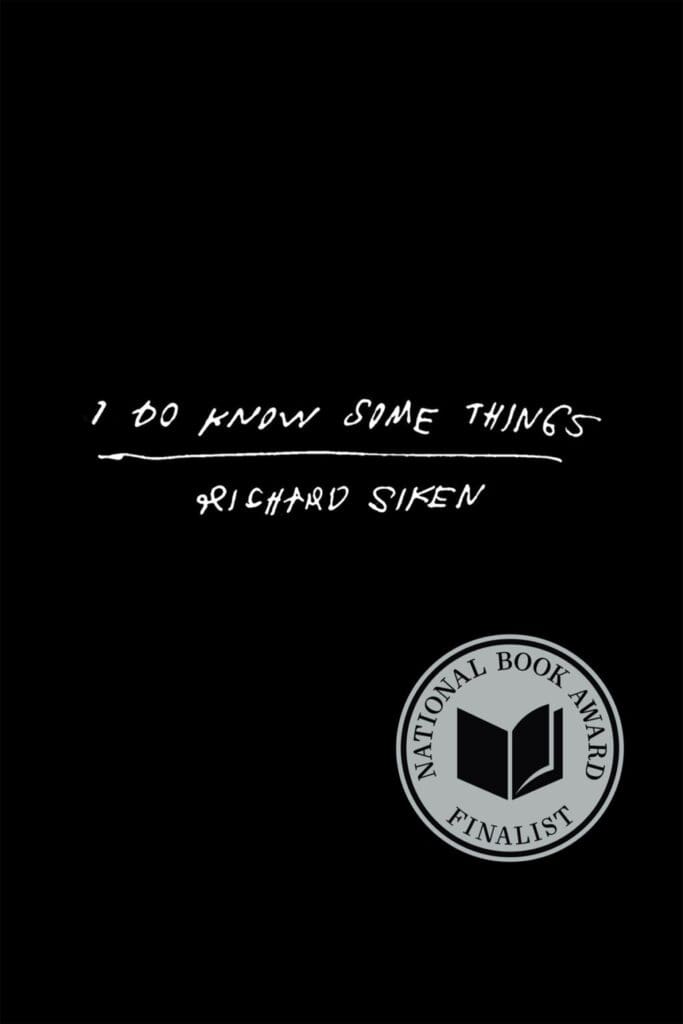
Richard Siken can’t help but love you. Supported by the scaffolding of the camera and the director’s chair, Crush, the author’s 2005 collection—selected by Louise Glück for the 2004 Yale Series of Younger Poets prize, the recipient of a Lambda Literary Award and a Thom Gunn Award, and a finalist for a National Book Critics Circle Award—demands your complicity. The speaker builds set after set and commands your presence within it: We’re shooting the scene where I swallow your heart and you make me Spit it up again. I swallow your heart and it crawls right out of my mouth. (“Dirty […]