Canon Wars Redux: On Naomi Kanakia’s What’s So Great About the Great Books?

by

Cover of Naomi Kanakia's What's So Great About the Great Books?

Taste, Naomi Kanakia explains, is one facet of how Great Books shape us. Our ability to appreciate great literature, to “discriminate, to discern fine nuances, and to see what truly exists within an object, versus what we are projecting onto it,” is cultivated by reading classics made timeless by their rigor, honesty, and care. Through an intimate discourse on identity and literature, What’s So Great About the Great Books: Why You Should Read Classic Literature (Even Though It Might Destroy You) (272 pages; Princeton University Press), interrogates the canon. Kanakia’s comprehensive survey of books draws on several traditions, borrowing from […]

Continue Reading

A Map of Desire: Thomas Dai’s Take My Name but Say It Slow: Essays

by

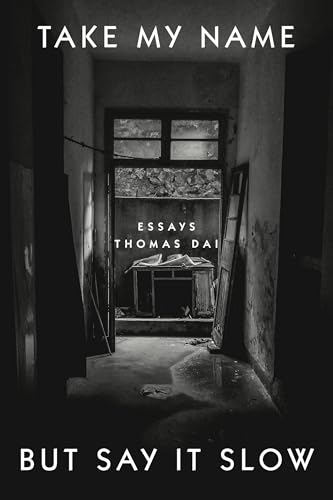
Cover of Thomas Dai's Take My Name But Say it Slow

In Thomas Dai’s essay collection Take My Name but Say It Slow (288 pages; Norton), Dai crafts deeply contemplative meditations on growing up Chinese American and navigating queer identity. The diptych of parallel reminisces that composes pieces such as “Running Days” and “Driving Days” evokes calm summers in Wenzhou made meaningful by his grandparents’ steady presence, as well as the particularities of traveling alone as an MFA student, styling himself after butterfly-lover Vladimir Nabokov and gay photographer Tseng Kwong Chi. Dai’s astute observations about identity fold back on themselves in Eastern-inflected asides on Chinese philosophy and nonbeing, and through nostalgic […]

Continue Reading

Restored to Flight: Fifty Mothers by Preeti Vangani

by

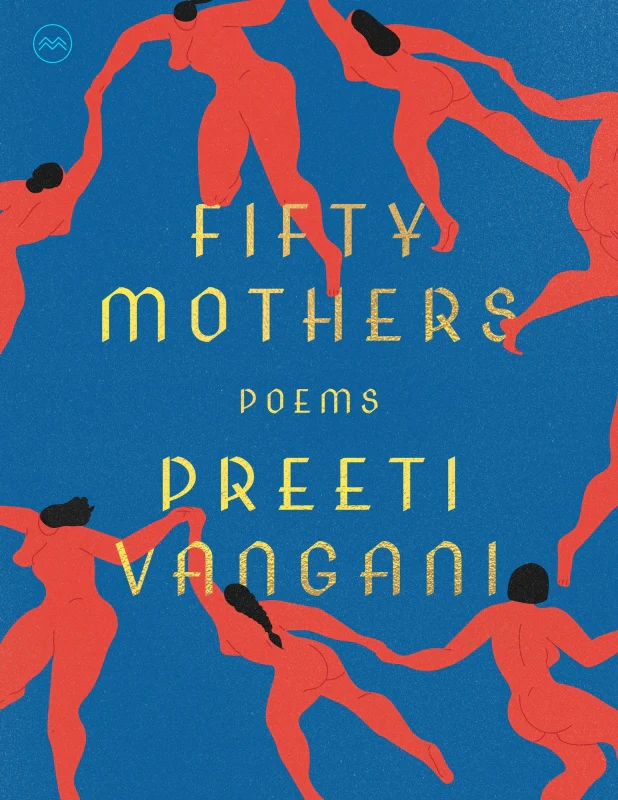
Preeti Vangani’s searing, sharp Fifty Mothers (67 pages; River River Books) captures the essence of grieving a parent. The linked poems in the collection reach for emotional highs and nadirs; rage makes peace with eros and falls back toward love. The collection, set in Bombay though Vangani now lives in San Francisco, is bookended by pages from the poet’s late mother’s college diaries, the first page taken from 1984-85. The diary’s details read like an erasure—what would have been her mother’s narrative overwritten by details about Vangani’s father’s identity, the couple’s shared bank account. The inclusion suggests Vangani’s light humor […]

Continue Reading

Prizing Possibility Over All: ‘A Toast to St Martirià’ by Albert Serra

by

Encompassing moviemaking, personal history, and a defense of individual freedoms, Albert Serra’s spirited and opinionated manifesto A Toast to St Martirià (144 pages; Coffee House Press) pays tribute to the filmmaker’s hometown of Banyoles in northeastern Catalonia. Given as a public talk at the small town’s annual festival celebrating its patron saint, Serra’s speech (translated from the Catalan by Matthew Tree) reveals the surprising ways in which his trajectory has been determined by his humble place of origin. From the outset, the director focuses on locality, reveling in Banyoles’s valuation of emotional connection in contrast to the “nervous living” of […]

Continue Reading

That I Should Stop Searching for Whoever I Was Before: ‘True Mistakes’ by Lena Moses-Schmitt

by

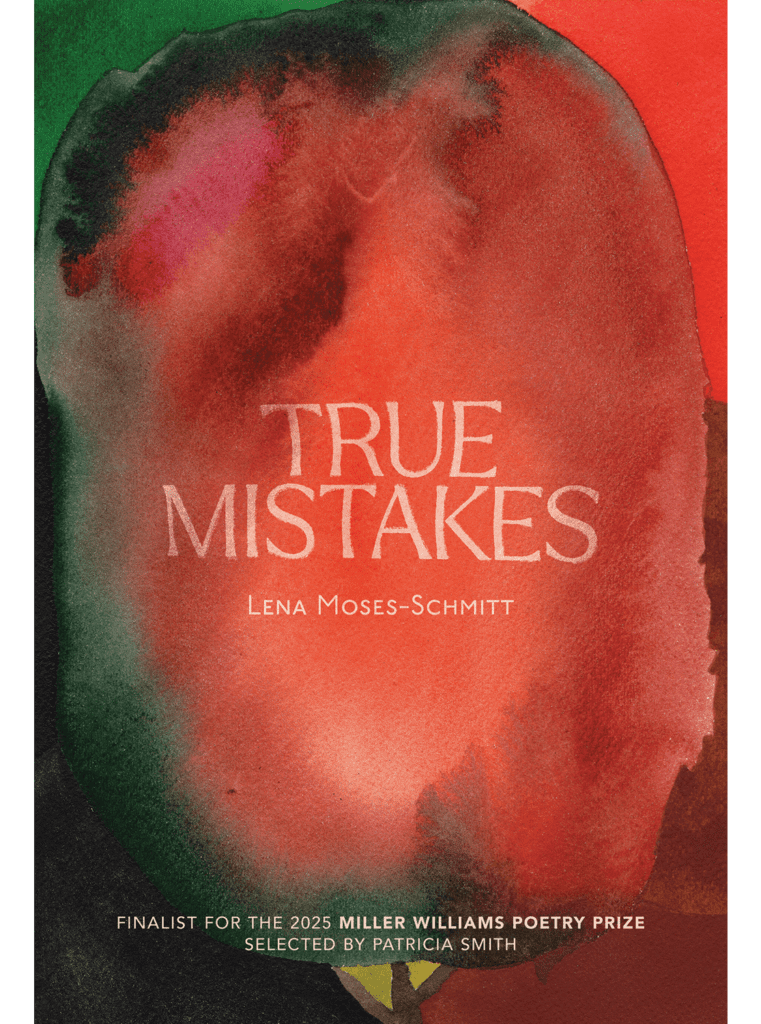
The poems of Lena Moses-Schmitt’s new collection, True Mistakes (96 pages; University of Arkansas Press), feature those gaps of perception in which what is obvious or straightforward becomes supplanted by the relentless onslaught of experience. A finalist for the 2025 Miller Williams Poetry Prize, the collection traces that which we so often miss or move past in a hurry, and grounds us in a new mode of witness—where, “Like the sun, I can only look at you/when I don’t look.” Moses-Schmitt’s dazzling poems center the importance of carefully wrought introspection in negotiating the distance between writing and living. In its […]

Continue Reading

To Ride Is to Fall, To Live Is to Fall: ‘Riding’ by Pardis Mahdavi

by

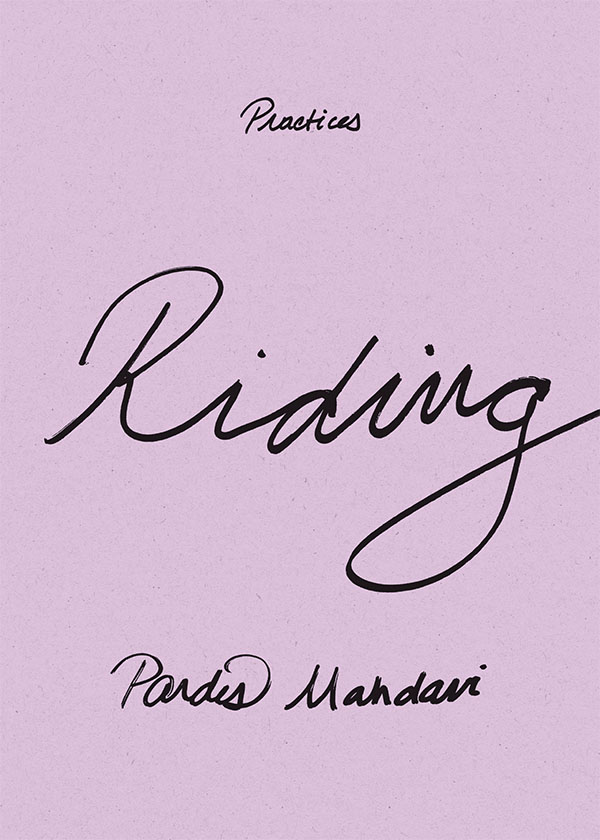
In 2000, U.S. author Pardis Mahdavi arrives in Tehran, determined to learn about a country she has only heard secondhand and sometimes sensational accounts of—tales of revolution and of the country as it existed during her parents’ emigration. Her scholarly interest in sexual politics and the emerging feminist movement in Iran leads her to cross paths with young women in the country’s underground who are leading a self-described “sexual revolution” in their open exploration of their bodies and intimate desires—a rebellion against the morally coded impositions and restrictions of a regime that has been in power since the Islamic Revolution […]

Continue Reading

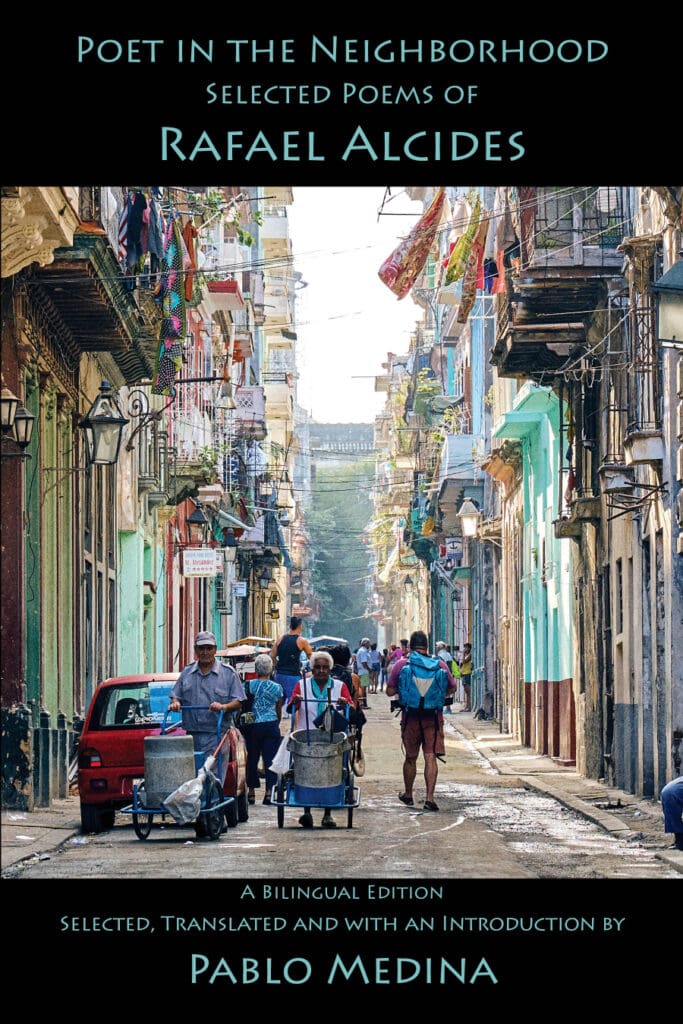
The Architecture of Memory: ‘Poet in the Neighborhood: Selected Poems of Rafael Alcides’

by

A momentous collection of poems about struggle and resistance, Rafael Alcides’s Poet in the Neighborhood (190 pages; Asterism), translated and selected by Pablo Medina, traces the solitude of voluntary internal exile by a Cuban poet who traverses his mother’s tragedies, bawdy humor, and prayerful conversation. (A few of the poems in the collection were published in ZYZZYVA Issue 127.) No stranger to myth, Alcides likens his mother to “a girl filled with illusion,” “laden with memories like Sinbad”, comparing her to La Gioconda and a Shakespearean tragedy as he mythologizes her history as a young woman in Havana. His own […]

Continue Reading

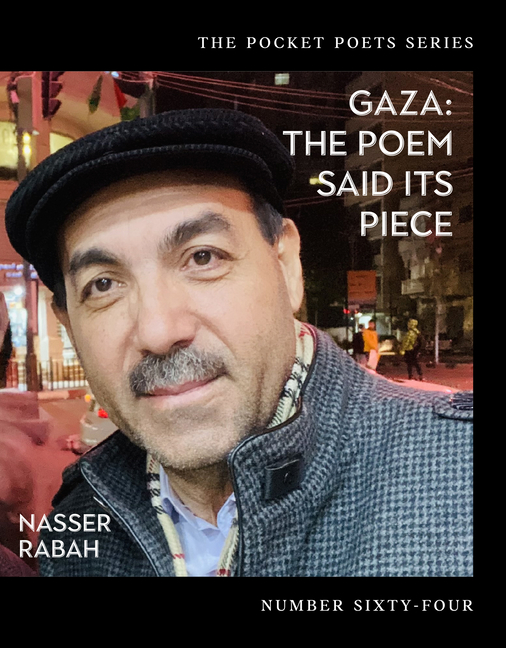
The Sorrow and the Fury: ‘Gaza: The Poem Said Its Piece’ by Nasser Rabah

by

“And I’m delirious: Gaza… Gaza,” Palestinian poet Nasser Rabah writes, the echo of grief shadowing the speaker’s cries. Written as he endured the genocidal assault, Rabah’s Gaza: The Poem Said Its Piece (192 pages; City Lights Books) resounds with gripping humanity, as his poems of love, the dead, and an accompanying fierce valuation of life evoke realities that often evade propaganda and the mass media. Rabah’s first collection in translation is a bilingual edition translated by Ammiel Alcalay, Emna Zghal, and Khaled Al-Hilli, and offers a powerful introduction to his lyrical work in English. The poet’s language is marked by […]

Continue Reading