Remembering Analogically: ‘Analog Days’ by Damion Searls

by

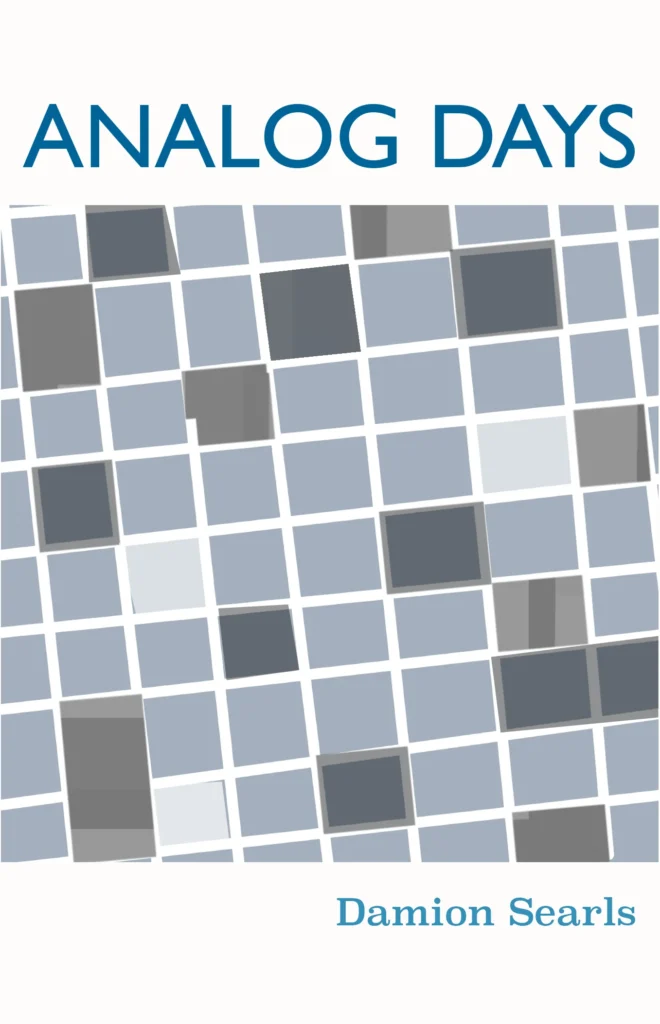
The cover of Damion Searls's Analog Days

One day in June, the narrator of Damion Searls’s debut novella, Analog Days (120 pages; Coffee House Press), steps away from the narrative, allowing ambient coffee-shop dialogue to populate the pages: “Decaf soy latte! / Here. Thanks / It’s hot / Ooh!”  It’s the first instance where the text seems to adhere to the reportage implied by the time stamps that structure its chronology (June 29, 2016), shedding story and morphing into notes in a journal. Here, the scene appears exclusively as quoted language, as information, the present breaking through the past tense that governs the novella up to this […]

Continue Reading

An Ordinary Kind of Romance: ‘New Paltz, New Paltz’ by Mike Powell

by

The cover of Mike Powell's New Palz, New Palz

One day, Ben takes his lunch break at the museum across the street from his office. He asks a woman at the ticket desk about free admission; he’s been informed that the magazine he works for is a corporate sponsor. The woman counters with the museum’s universal “pay what you can” policy, in response to which Ben quickly and needlessly clarifies, “do you mean ‘pay what you want’?”. Ben is the hero of Mike Powell’s farcically ordinary novella, New Paltz, New Paltz (126 pages; Double Negative), and pointing out such meaningless discrepancies is one of his characteristic tasks. Ben, a […]

Continue Reading

“A book is not interesting to me until it’s impossible for me to write”: Q&A with Robert Glück

by

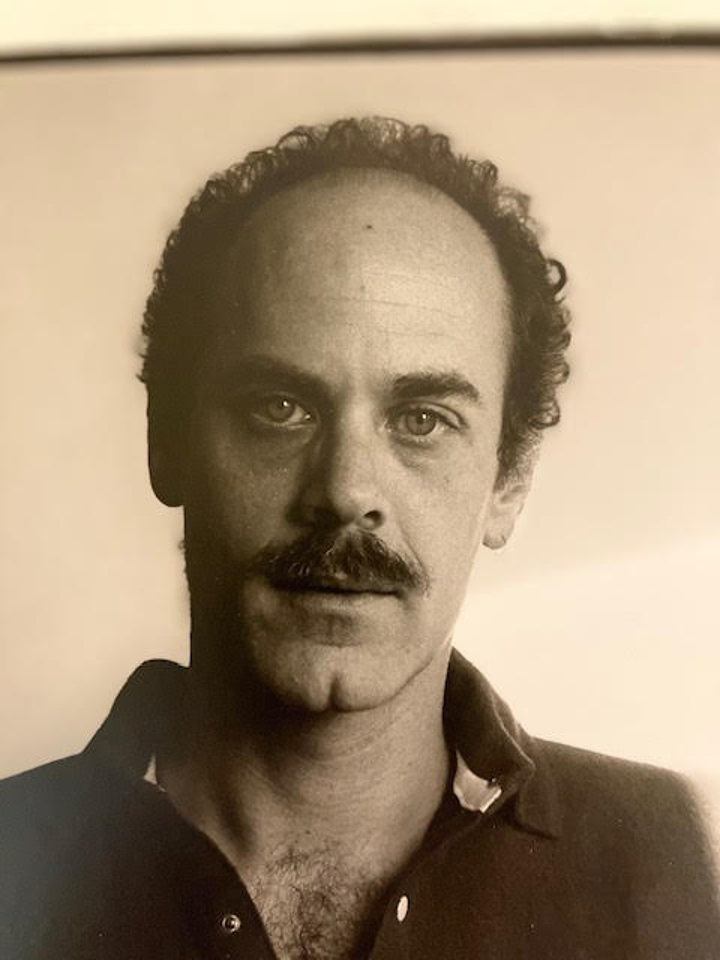
A black and white portrait of the author Robert Glück

A chapter from Robert Glück’s Jack the Modernist appeared in the very first issue of ZYZZYVA in 1985. It’s the chapter where Bob, Glück’s avatar and the novel’s narrator, leaves Jack, his lover, in bed and goes to the baths. There, he compares “an orgasm that can be read two ways” to a particular Victorian illusion painting that appears to fluctuate between a woman at a vanity and a skull. We vaguely remember an actual image of said painting from twenty or so pages earlier; the pictures in Jack the Modernist are dispersed, sort of like the pictures in Nadja, […]

Continue Reading