
In 2025, wildfires again broke records. The year began with the Eaton and Palisades fires, and over the course of the year, ten thousand more wildfires burned than the ten-year average. We live in a world where megafires occur with regularity, alongside disasters like the Lahaina, Palisades, and Eaton fires. While we may become inured to political headlines, the again-ness winning out, the proliferation of destructive wildfires continues to increase both in the American psyche and in reality. And who better to write on these fires than those who fight them? In three memoirs released last summer, authors recount their […]
Display Format: Prose
The main prose format for posts.
A Poetics of Survival: On Richard Siken’s ‘Crush’ and ‘I Do Know Some Things’
by Ashley Wang
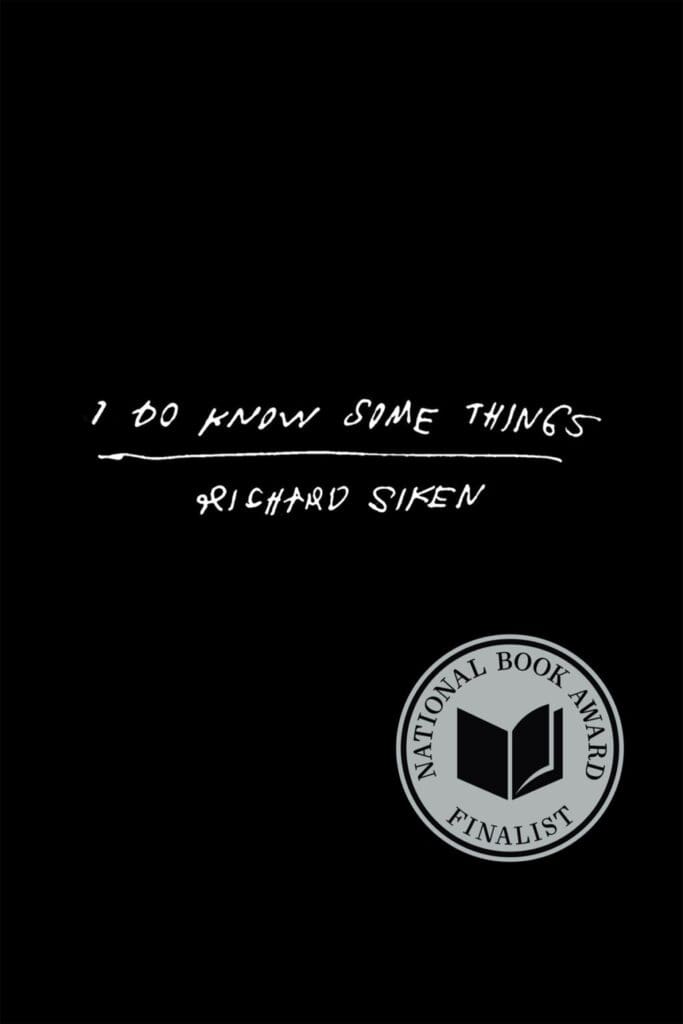
Richard Siken can’t help but love you. Supported by the scaffolding of the camera and the director’s chair, Crush, the author’s 2005 collection—selected by Louise Glück for the 2004 Yale Series of Younger Poets prize, the recipient of a Lambda Literary Award and a Thom Gunn Award, and a finalist for a National Book Critics Circle Award—demands your complicity. The speaker builds set after set and commands your presence within it: We’re shooting the scene where I swallow your heart and you make me Spit it up again. I swallow your heart and it crawls right out of my mouth. (“Dirty […]
Remembering Analogically: ‘Analog Days’ by Damion Searls
by Benjamin Flaumenhaft
One day in June, the narrator of Damion Searls’s debut novella, Analog Days (120 pages; Coffee House Press), steps away from the narrative, allowing ambient coffee-shop dialogue to populate the pages: “Decaf soy latte! / Here. Thanks / It’s hot / Ooh!” It’s the first instance where the text seems to adhere to the reportage implied by the time stamps that structure its chronology (June 29, 2016), shedding story and morphing into notes in a journal. Here, the scene appears exclusively as quoted language, as information, the present breaking through the past tense that governs the novella up to this […]
An Ordinary Kind of Romance: ‘New Paltz, New Paltz’ by Mike Powell
by Benjamin Flaumenhaft

One day, Ben takes his lunch break at the museum across the street from his office. He asks a woman at the ticket desk about free admission; he’s been informed that the magazine he works for is a corporate sponsor. The woman counters with the museum’s universal “pay what you can” policy, in response to which Ben quickly and needlessly clarifies, “do you mean ‘pay what you want’?”. Ben is the hero of Mike Powell’s farcically ordinary novella, New Paltz, New Paltz (126 pages; Double Negative), and pointing out such meaningless discrepancies is one of his characteristic tasks. Ben, a […]
Jack Spicer’s California: From The Collected Letters of Jack Spicer
by Daniel Benjamin
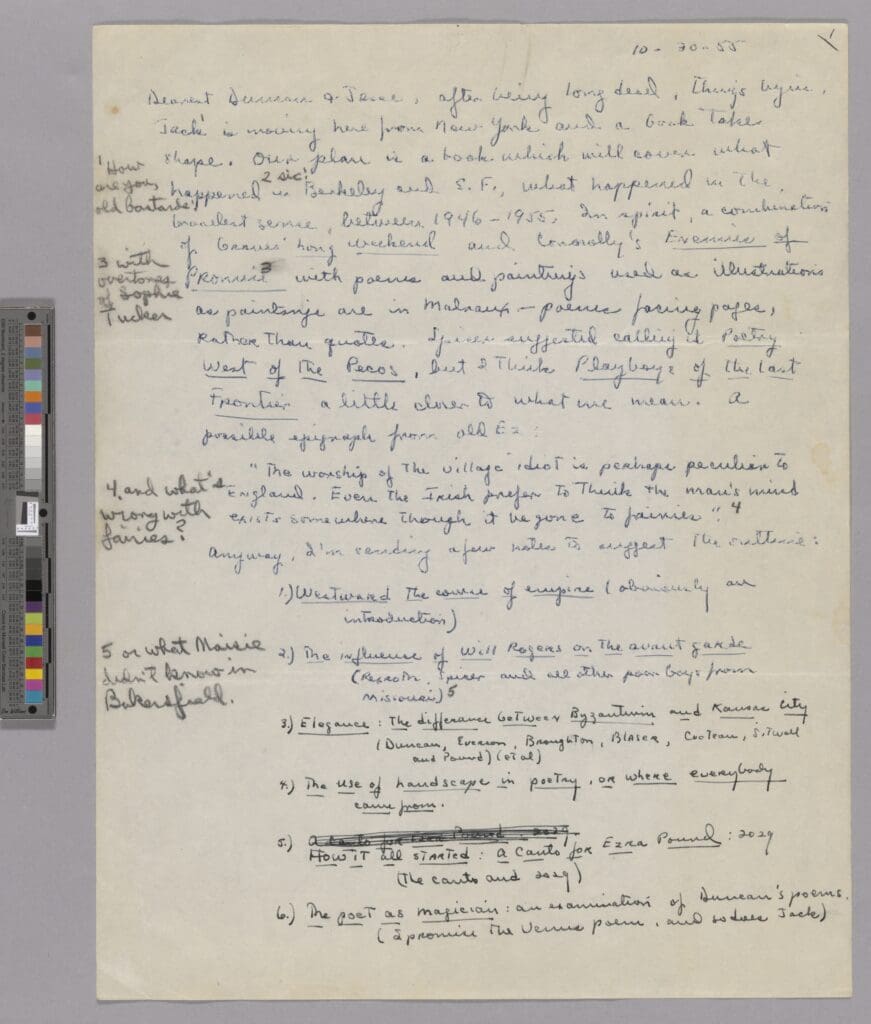
Jack Spicer (1925–1965) was a key figure in the San Francisco Renaissance. Spicer’s radical theories of authorship and poetic dictation influenced a generation of poets, and they continue to resonate with contemporary writers and thinkers. Openly gay in an era of repression, he developed a poetics that merged mysticism, political resistance, and linguistic estrangement. Spicer’s letters are a vital component of his unique oeuvre; they radiate with the brilliance, ferocity, and vulnerability that characterize his poetry. In fall 2025—the year of Spicer’s centenary—Wesleyan University Press published Even Strange Ghosts Can Be Shared: The Collected Letters of Jack Spicer, edited by […]
Beauty
by Zahid Rafiq

None of us knew her real name. We heard her mother call her Beauty and she became Beauty for all of us. The day she arrived we were in the yard of Jana’s house, waiting desperately for the rain. Sameer had been hitting the ball all over the large yard, and nothing we did, chucking, distracting, changing the ball, nothing could get him out that afternoon. Our hopes clung to the gray clouds taking over the sky, threatening to wash away everything. And when we saw from a distance a thin-mustached man open the tin gate and a long, beaten-up […]
‘Trace Evidence’ by Charif Shanahan: Worlds Apart
by Valerie Braylovskiy
Trace Evidence (93 pages; Tin House Press) is the second collection of poetry by Charif Shanahan, author of Into Each Room We Enter Without Knowing. These poems use language and form to peel back elements of Shanahan’s identity and show how markers like nationality, race, and sexuality intersect within one’s lived experience. The poems feel deeply personal yet rooted in the universal as Shanahan raises profound questions about human nature and what it means to feel displaced in the world. Born in the Bronx to an Irish American father and Moroccan mother, Shanahan— a professor at Northwestern University— discusses his […]
‘Meltwater’ by Claire Wahmanholm: Mother, Earth
by Zoe Binder
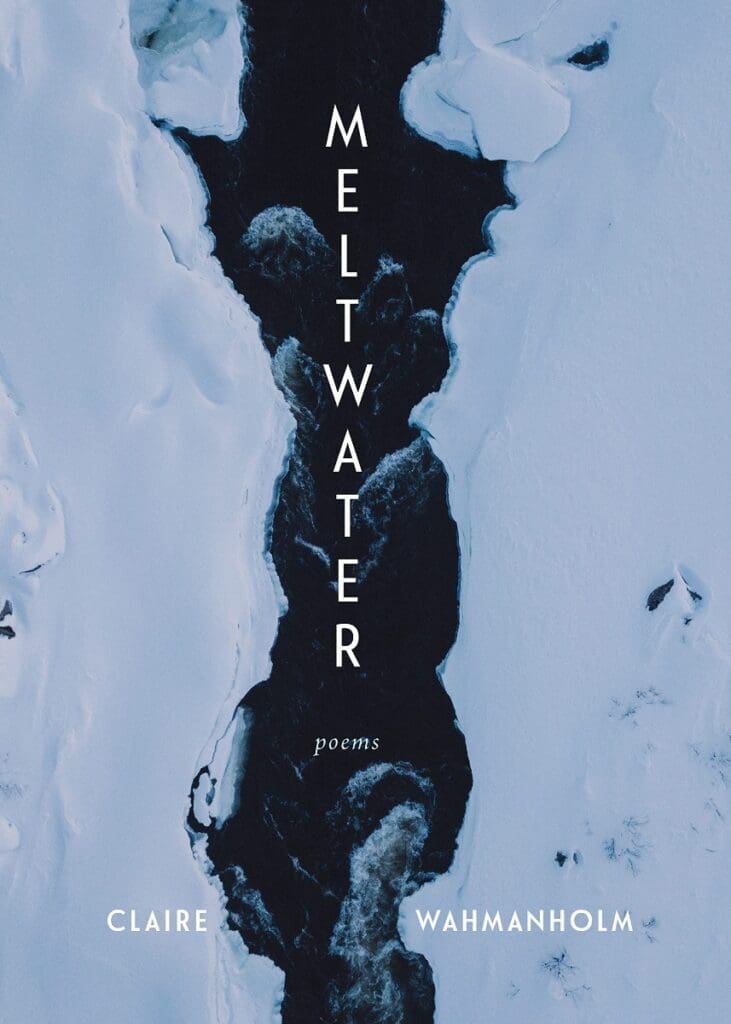
Claire Wahmanholm’s latest poetry collection, Meltwater (128 pages; Milkweed Editions), is both a lament for the Earth as it suffers the harmful effects of climate change and a poignant reminder of the joys that make life worthwhile despite this loss. Wahmanholm centers the collection on two recurring series of poems—“Glacier” and “Meltwater”—that follow the anxieties of a person raising children on our threatened planet. In “Glacier,” the speaker battles feelings of grief at the sight of a calving glacier—and guilt at the thought of children experiencing a world without these geological formations: I am trying to say it’s too late […]
‘Feast’ by Ina Cariño: Food for Thought
by Gus Berg
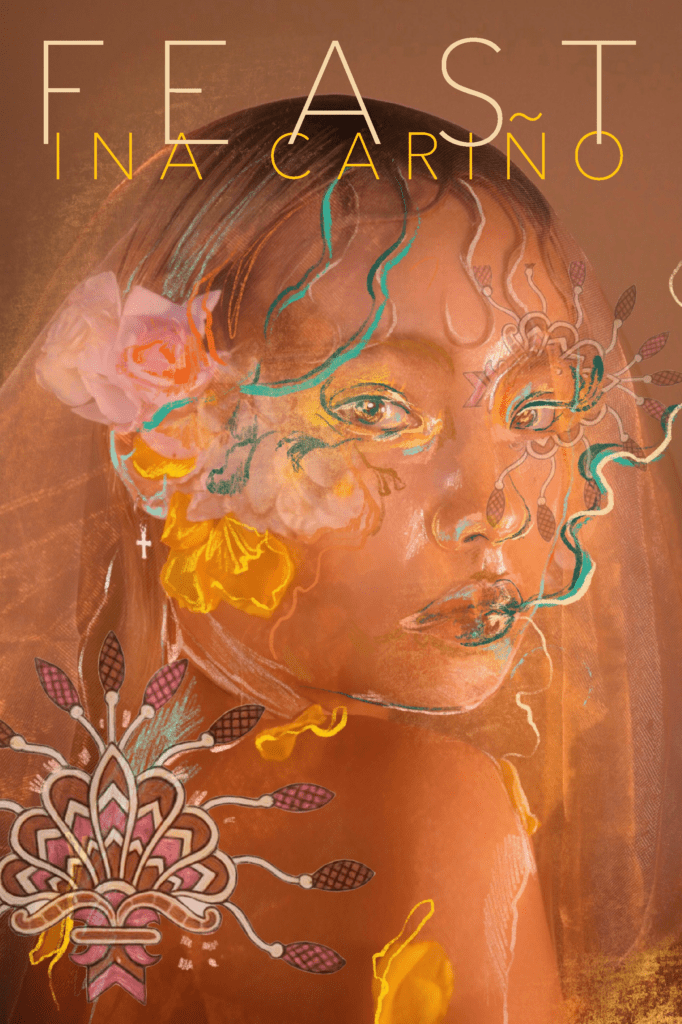
Ina Cariño, the recipient of a 2022 Whiting Award and a 2021 Alice James Award, is a Filipinix American poet whose work draws heavily on intergenerational nourishment and transformation in marginalized communities. Feast (100 pages; Alice James Books), their first book of poetry, is an enriching collection that satisfies a primal hunger for fulfillment while questioning the social conditions that leave people of color deprived. One of the most disarming things about Feast is the bone-deep rawness of this poet’s voice. Even as they veer away from the realm of possibility, the poems feel real because the speaker’s voice remains […]
‘Novelist as Vocation’ by Haruki Murakami: Persistence as Key
by Danielle Shi
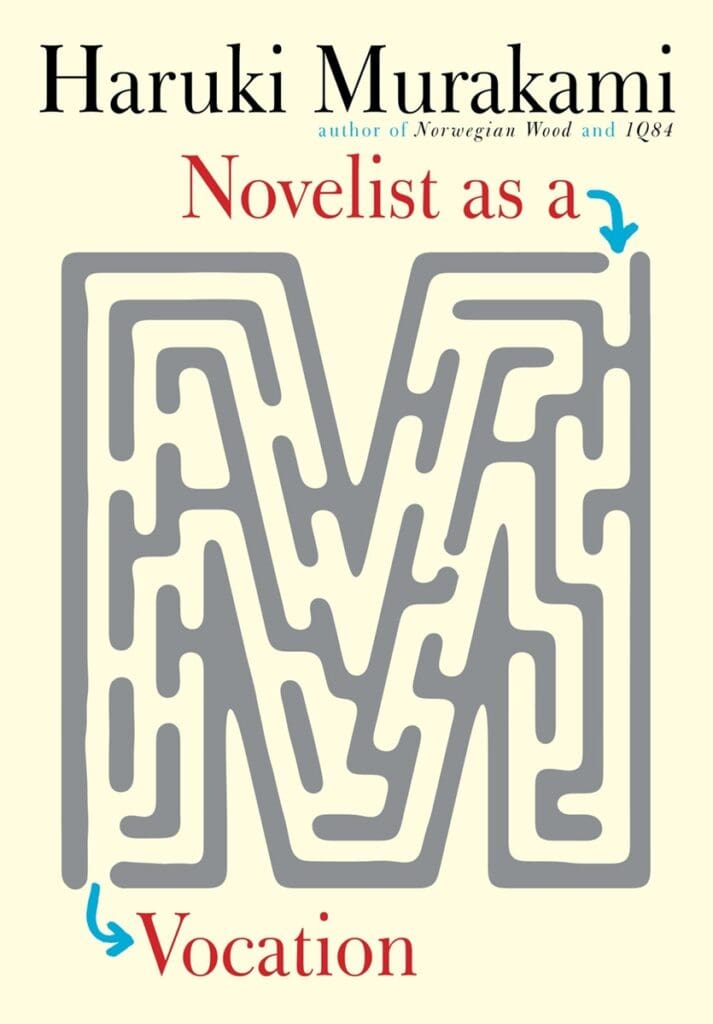
Novelist as a Vocation (224 pages; Knopf; translated by Philip Gabriel and Ted Goossen) is Japanese literary icon Haruki Murakami’s comprehensive look at his expansive and prolific career, a collection of thoughts on the process, substance, and form of novel writing, as well as the habits that make for a successful novelist. The autobiographical essays chart his path as an author over thirty-five years, spanning from his first novel, Hear the Wind Sing, to more layered and formally complex works such as Killing Commendatore. As a whole, the pieces provide a glimpse into the mind and career of a man […]
‘Cinema Speculation’ by Quentin Tarantino: Talking Trash
by Paul Wilner
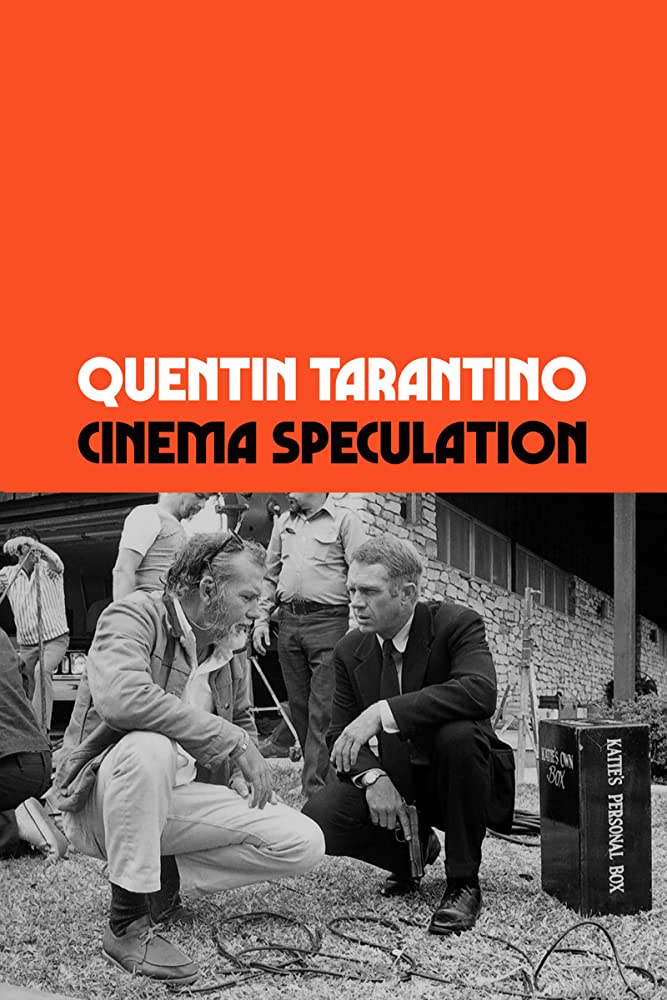
Cinema Speculation (400 pages; Harper), billed as Quentin Tarantino’s “first work of nonfiction,” could easily fall into the category of a quickie volume sold on the basis of the Pulp Fiction auteur’s brand value. So it’s a welcome surprise that this book is entertaining, smart, and vivid. Tarantino hasn’t been making the talk-show circuit as much as the pre-streaming old days (for a while, he was a fixture with the now-discredited Charlie Rose), but he brings the same feisty, movie-mad energy to his prose as he did to his early breakthrough films. Even his book’s title seems like a […]
Remembering Book Editor Pat Holt
by Regan McMahon
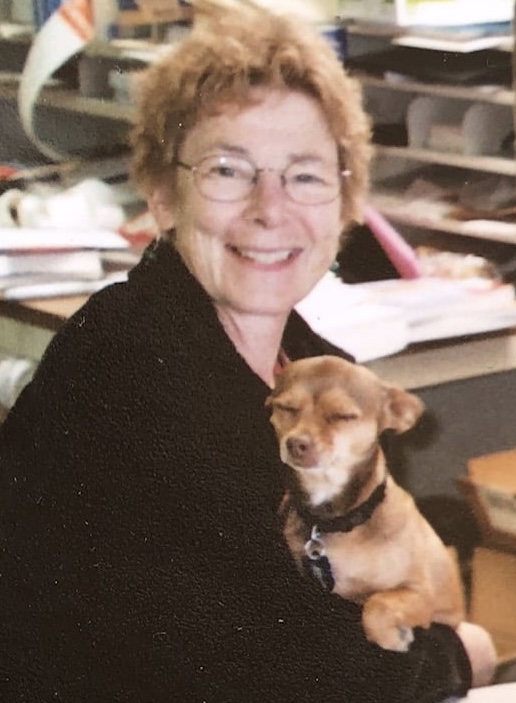
When the Loma Prieta earthquake struck the Bay Area in 1989, Pat Holt remained at her desk, ignoring a co-worker’s urgent plea to take cover—choosing instead to stay on a phone call, making her passionate case to an author or publisher while her office swayed and rattled and books fell off the shelves around her. Such was Pat’s dedication to her work as the former book editor, critic, and columnist for the San Francisco Chronicle. Pat, who devoted her career to her love of books, died December 3 at her home in San Francisco following a brief battle with cancer. […]