Q&A with Staci Greason: ‘All the Girls in Town’ and Making the Grief Bearable

by Christine Sneed

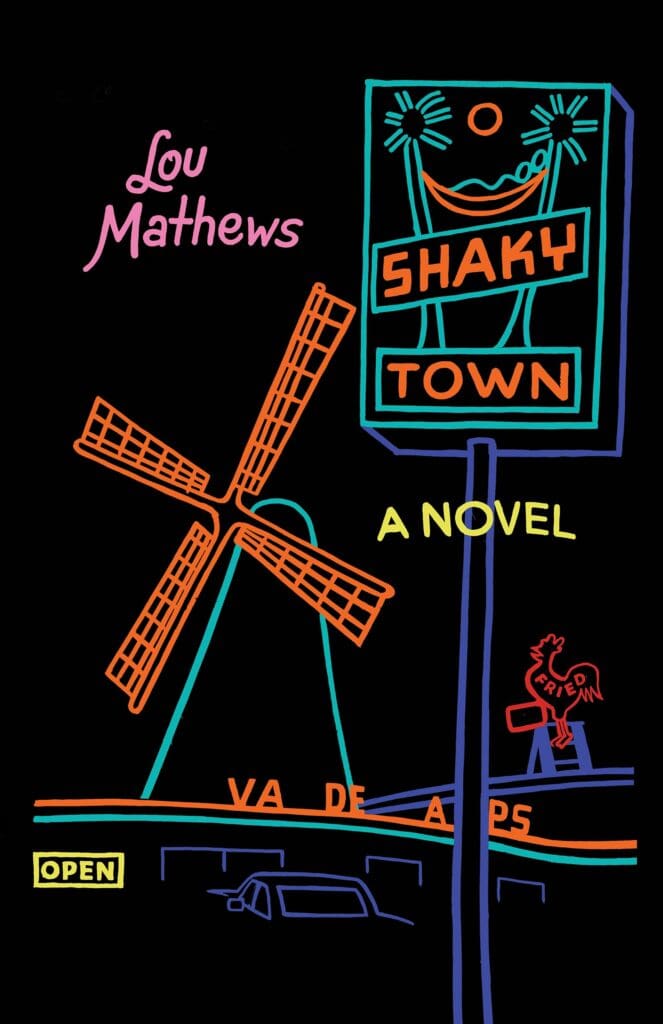
My first encounter with Staci Greason’s writing was in the fall of 2020 after we met at an online feature-script retreat organized by CineStory, a screenwriting-focused arts organization. I read her screenplay Treed and was particularly impressed by her assured comic touch and her ability to write about complex themes—environmental conservation and marital anomie, in this case—without being heavyhanded. She had also written Treed as a novel—albeit with a different title, The Last Great American Housewife. Soon after we met at the retreat, Greason, who has also acted, sold a different novel, All the Girls in Town, to indie publisher […]

Continue Reading

The Whiting Literary Magazine Prize

by ZYZZYVA Staff

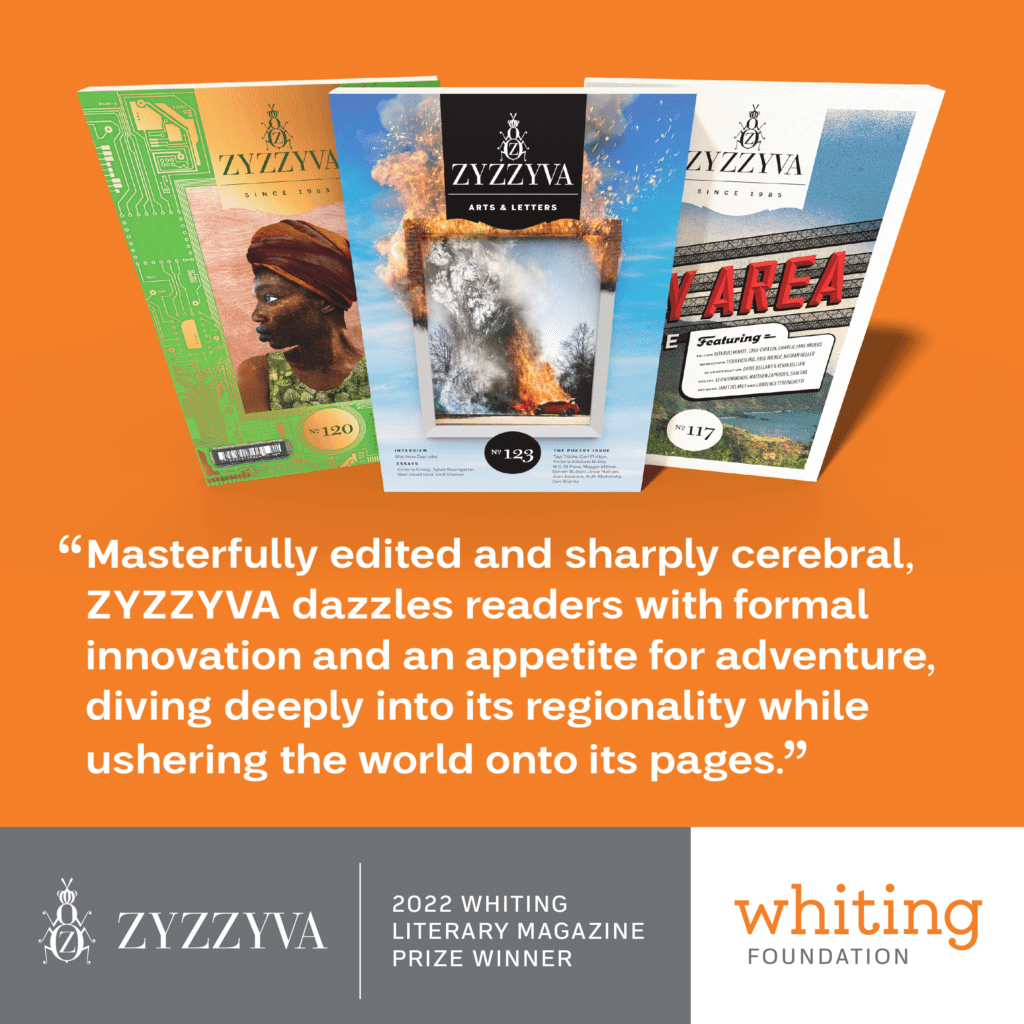
Dear Readers, We are elated to announce that ZYZZYVA has received the Whiting Literary Magazine Prize. The Prize is a major validation of the journal’s decades-long work to showcase the most exciting poets, writers, and artists from our home region, as well as from across the country and beyond. “ZYZZYVA has for years been a shepherd to a capacious community of West Coast writers,” the judges’s citation states. “Masterfully edited and sharply cerebral, this place-based journal dazzles readers with formal innovation and an appetite for adventure, diving deeply into its regionality while ushering the world onto its pages. As a […]

Continue Reading

‘Translating Myself and Others’ by Jhumpa Lahiri: A Tradition of the Ages

by Amanda Janks

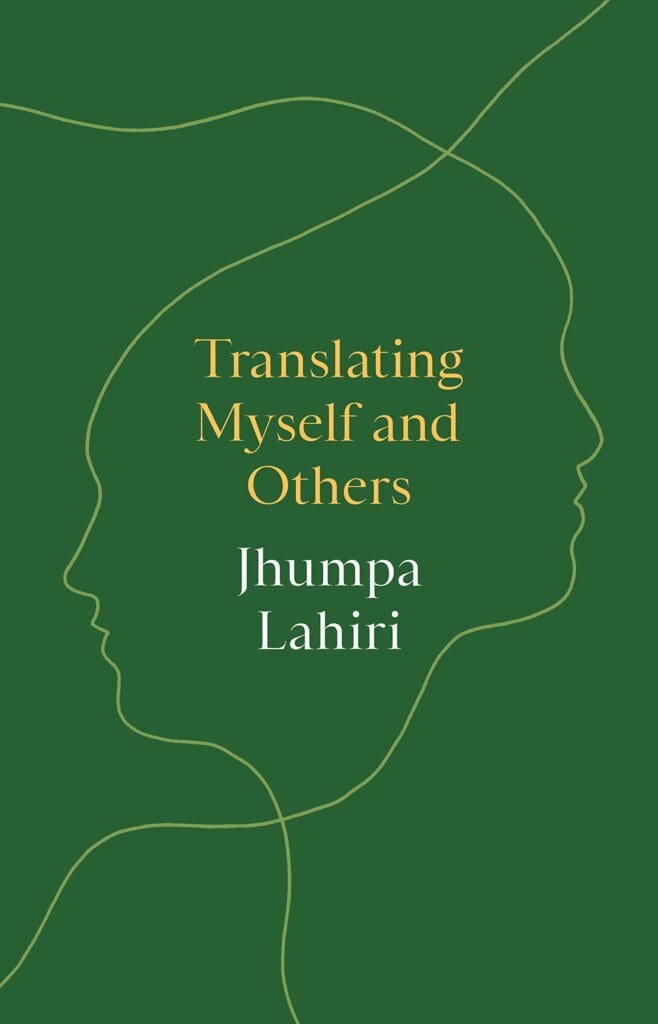
Human traditions subsist on translation. There is no art or philosophy that translators have not helped facilitate across the ages. While translators may often operate discreetly and without thanks, their work remains vital. Pulitzer Prize-winning writer Jhumpa Lahiri depicts the soul of translation in her new essay collection, Translating Myself and Others (208 pages; Princeton University Press), a dizzying reflection on her personal relationship to language.  She notes early on the fragmentation of her identity—culturally Indian, born in London, raised in America, writing in English—and the ways this has steered her as a writer. An accomplished author in English, Lahiri […]

Continue Reading

The Poetry Issue: Letter from the Editor

by Laura Cogan

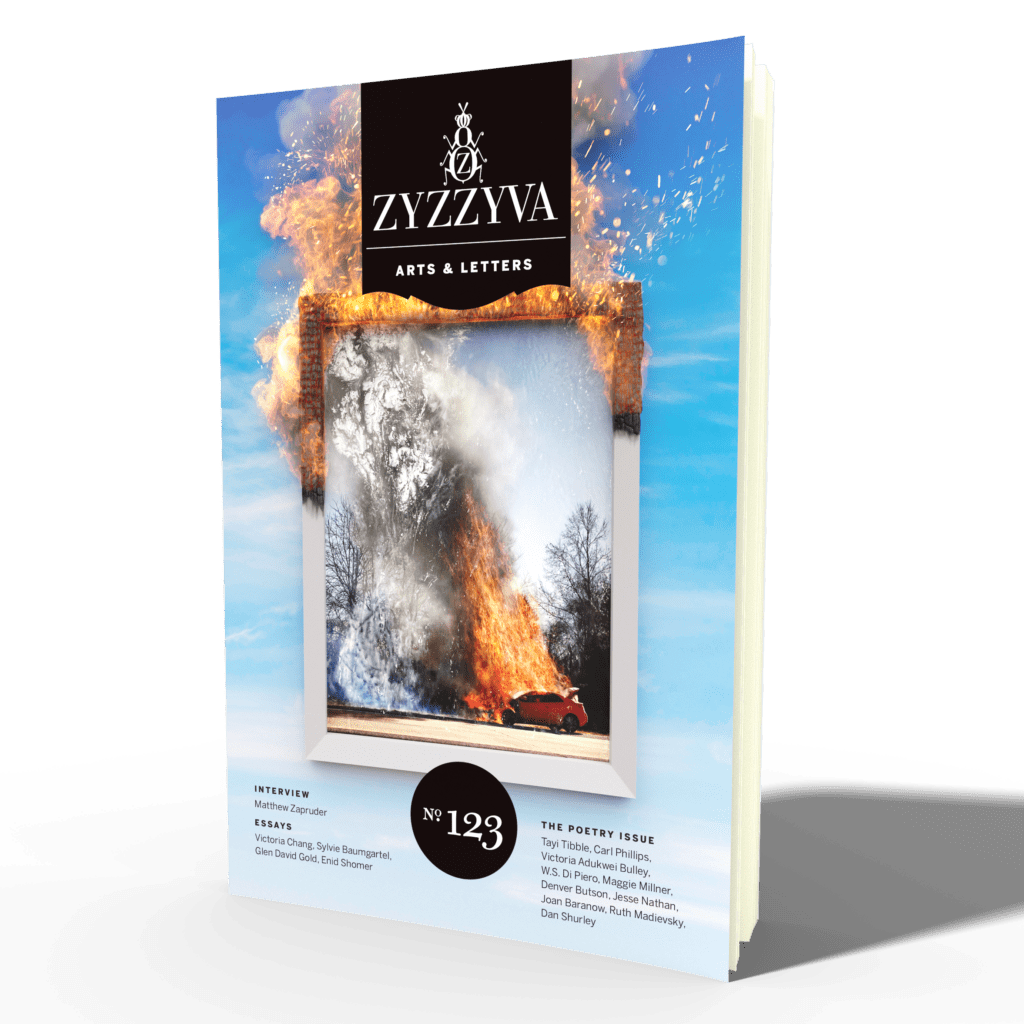
ZYZZYVA No. 123, Spring 2022, The Poetry Issue

Dear Reader, One of the messages we’re most relentlessly bombarded with is the importance of happiness. In so many ways, pop culture cynically suggests that happiness could make us successful, on our own terms. Happiness, it seems, is its own kind of currency. And lack of it becomes yet another reason to punish ourselves. It seems especially cruel that happiness is often elevated as a kind of measure of success that can, theoretically, be achieved, witnessed, and celebrated outside the paradigm of capitalism—as though it’s available to any of us if we only choose it. We absorb the truism that […]

Continue Reading

‘Ante body’ by Marwa Helal: A Window into a Double Life

by Roz Naimi

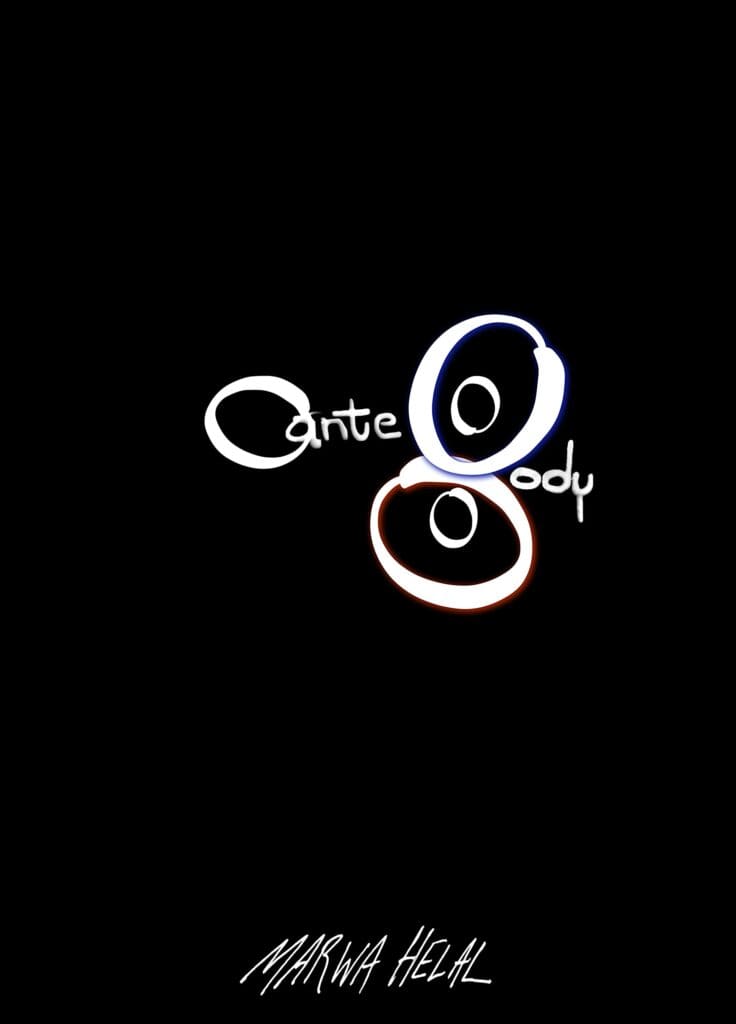
The latest collection from Egyptian-born, Brooklyn-based poet Marwa Helal, Ante body (80 pages; Nightboat Books), demonstrates the participatory nature of Helal’s work. The book offers a kaleidoscopic window into the double consciousness of the emigré, her post-migratory grief and dispossession, and the cheeky coping mechanisms that come into play. In her exploration of our post-pandemic political moment, Helal harnesses and discharges an energetic exigency, calling the reader into an honest mindfulness through non-traditional and experimental poetic play. Ante body invites us to trip over language, to recover, and view those stumbles as necessary toward achieving wisdom. Whatever linguistic baggage the […]

Continue Reading

On Overturning Roe v. Wade: A Note to our Readers

by Laura Cogan

Dear Readers, We recognize and are heartbroken by the monumental consequences of the Supreme Court’s radical decision to eradicate the federal protection of abortion rights. It is profoundly undemocratic on every level: in its grotesque distortion of the proper role of the Court, in its unjustified incursion on personal freedoms, and in its blatant advancement of minority rule. No state should have the right to force birth. It is subjugation. It is inhumane. It is extremism. Such outrageous incursions into the private healthcare decisions of families and individuals will only compound existing inequities in our country. We are clear-eyed about […]

Continue Reading

Q&A with Editor Natalie Eve Garrett: “The Lonely Stories” & Making Peace with a Solitary Life

by Sophia Carr

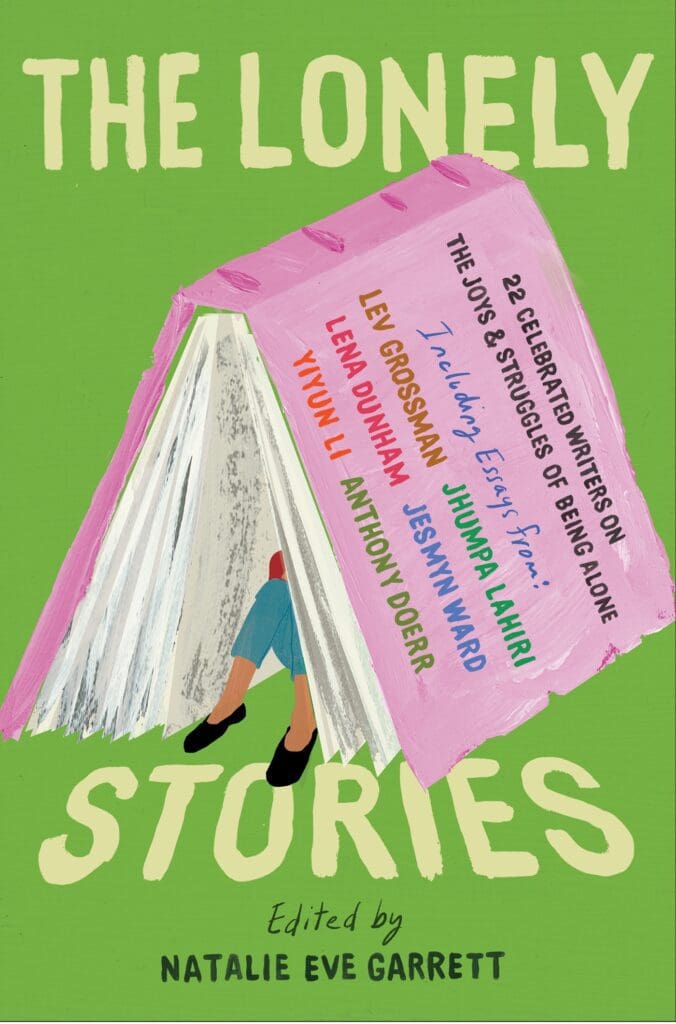
Has there ever been a more appropriate time for a chronicle of writers’ individual experiences with the state of being alone than now, in the midst of an isolating and prolonged global pandemic? The Lonely Stories (240 pages; Catupult), edited by Natalie Eve Garrett, gathers essays from a diverse set of acclaimed authors—including Jhumpa Lahiri, Anthony Doerr, Lena Dunham, Maggie Shipstead, and Lev Grossman—and examines everything from struggles with personal demons such as addiction, failed marriages, and the loneliness of being an immigrant facing racial discrimination to  the sense of liberation and creative stimulation that a solitary existence can provide—particularly […]

Continue Reading

Prose Poems, Memos, Hybrid Forms All Ride in This Taxi: A Dual Q&A with Sean Singer and Christine Sneed

by Sean Singer & Christine Sneed

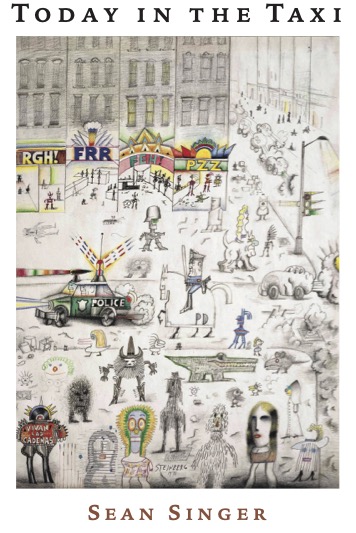
Christine Sneed: I first met Sean Singer in the late 1990s. I was a poetry student in the MFA program at Indiana University-Bloomington and he was an undergraduate student. One spring semester he was granted permission to enroll in our MFA workshop, and as soon as he shared his first poem with the class, I was struck by how smart, playful, and mature his work was—in a word, precocious but absent any negative connotations. Not long after he graduated from Indiana University, I wasn’t surprised to learn he’d received the Yale Younger Poets Award for his debut collection, Discography. We’ve […]

Continue Reading

Catch up on two of our most recent events, including an interview with Vanessa Hua

by ZYZZYVA Staff

In case you missed it: we’ve got handy Youtube links for two of our most recent ZYZZYVA-related events, including our Q&A with Vanessa Hua about her latest novel Forbidden City that happened at San Francisco’s The Booksmith on May 18th; as well as our May 19th Q&A with Ecuadorian author Gabriela Alemán about her new collection, titled Family Album: Stories, that occurred at City Lights Bookstore. What could be better than free literary-world entertainment, no? (And if you’re interested in reading more work from Alemán, do secure a copy of our latest issue, Issue 122, to read her story “School […]

Continue Reading

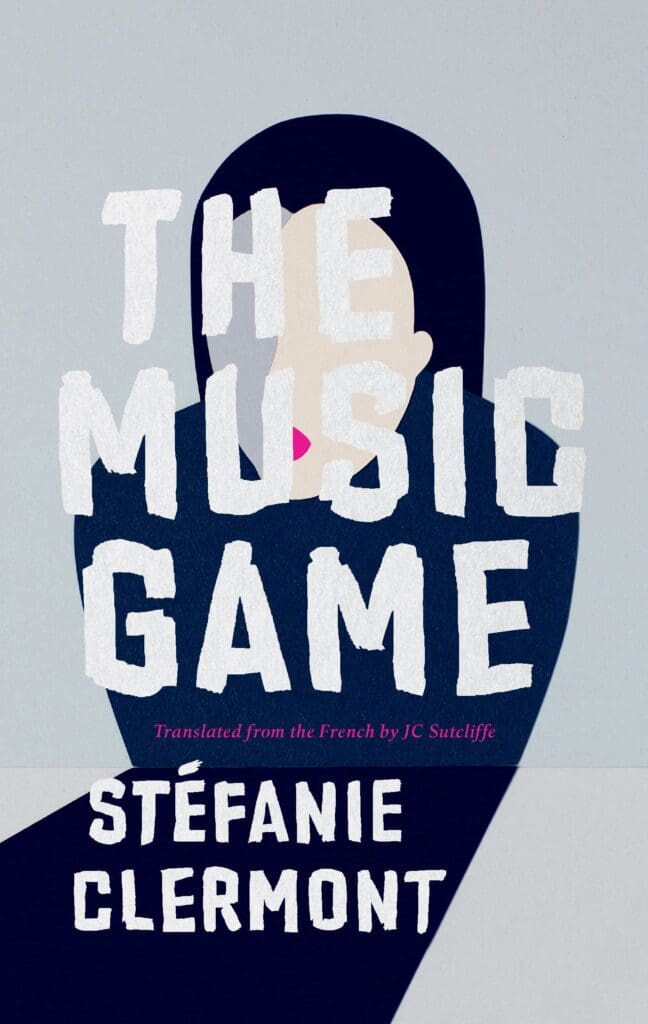
‘The Music Game’ by Stéfanie Clermont: A Disenchanted Life

by Sophia Carr

While it’s rare, there are some friends you make during your childhood that you keep for the rest of your life, and The Music Game (304 Pages; Biblioasis; translated by JC Sutcliffe), the first novel by Stéfanie Clermont, is a story of this kind of friendship. Primarily set in Montreal, the novel follows Céline, Julie, and Sabrina—three French-Canadian friends with differing life trajectories. Though this winding and unconventional novel often reads more like a collection of linked stories, the sum of it feels in conversation about the millennial experience in contemporary Montreal. Among the group, Sabrina deals with racism and […]

Continue Reading

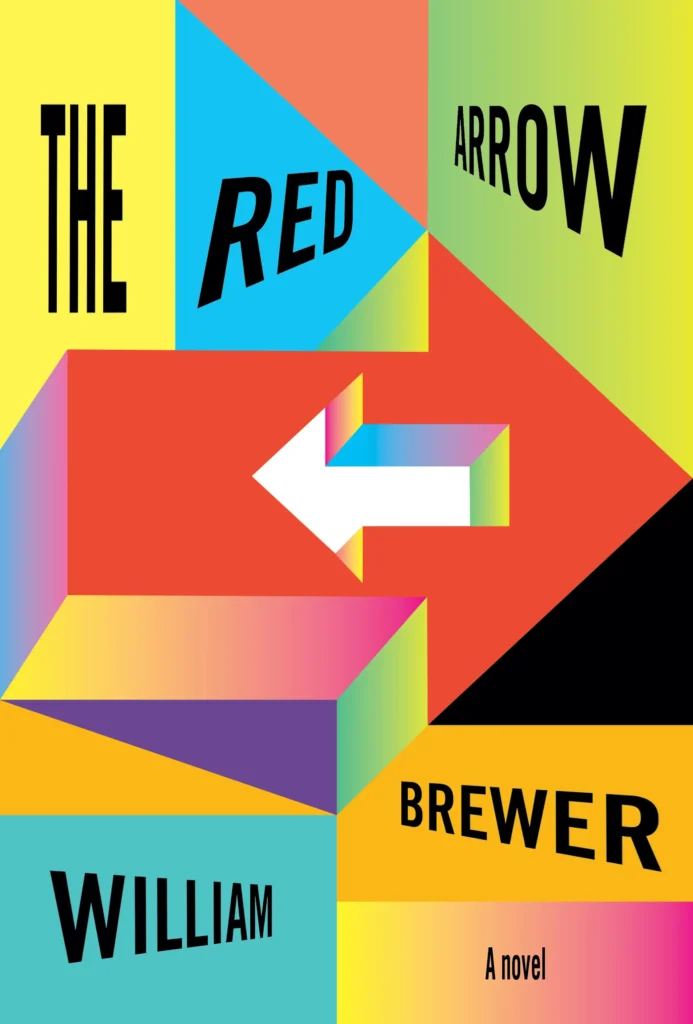
The Immense Presence of the Mist: Q&A with ‘The Red Arrow’ author William Brewer

by Kristen Iskandrian

It’s probably fitting that I thought often of Keats while reading William Brewer’s The Red Arrow (Knopf; 272 pages), specifically, the odes, all of which seek to create vessels into which the unknowable and unnamable—the “alien corn” of existence—can be contained. Brewer is a poet, after all, whose brilliant collection I Know Your Kind, about

Subscribers only: to access this content, you must be a member of ZYZZYVA Studio. Membership is included with any subscription. Subscribe today, or if you are already a subscriber, log in to continue reading. (Read our FAQ for more details, and contact us if you have any trouble logging in.)

[…]

Continue Reading

Jonathon Keats and His Library of the Great Silence: More Autobiographical Than Science Fictional

by Shelby Hinte

In 1979, science fiction critic Darko Suvin popularized the term “cognitive estrangement” in his book Metamorphoses of Science Fiction. According to Suvin, cognitive estrangement, as presented in science fiction texts, “presents aspects of the reader’s empirical reality ‘made strange’ through a new perspective.”[1] Through the recasting of the everyday as spectacle, readers and viewers of science fiction are able to recognize their own reality and, in theory, “gain a rational understanding of the social conditions of existence.” (One need only look at the 10,000% [2] sales increase of George Orwell’s 1984 after Donald Trump’s inauguration to see but one example […]

Continue Reading