Ever the Same: Bernadette Mayer’s ‘The Golden Book of Words’

by

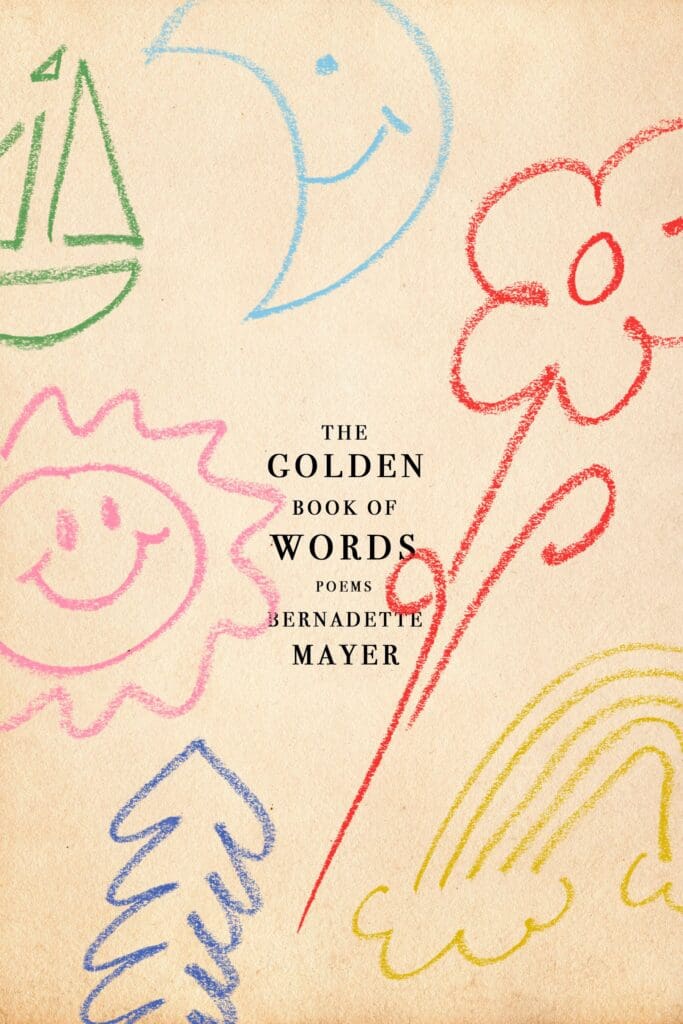
Originally published in 1978, the late Bernadette Mayer’s poetry collection The Golden Book of Words is available again from New Directions, reissued with the gorgeous original cover design by Joe Brainard. The collection includes both better-known early poems like “Essay” (“I guess it’s too late to live on the farm / I guess it’s too late to move to a farm / I guess it’s too late to begin farming”) and a variety of other, equally vibrant and formally inventive poems such as “Simplicities are Glittering” and “What Babies Really Do.” Mayer, associated with the Language Poets and the New […]

Continue Reading

Beyond the Grasp of Translation: Yoko Tawada’s ‘Exophony’

by

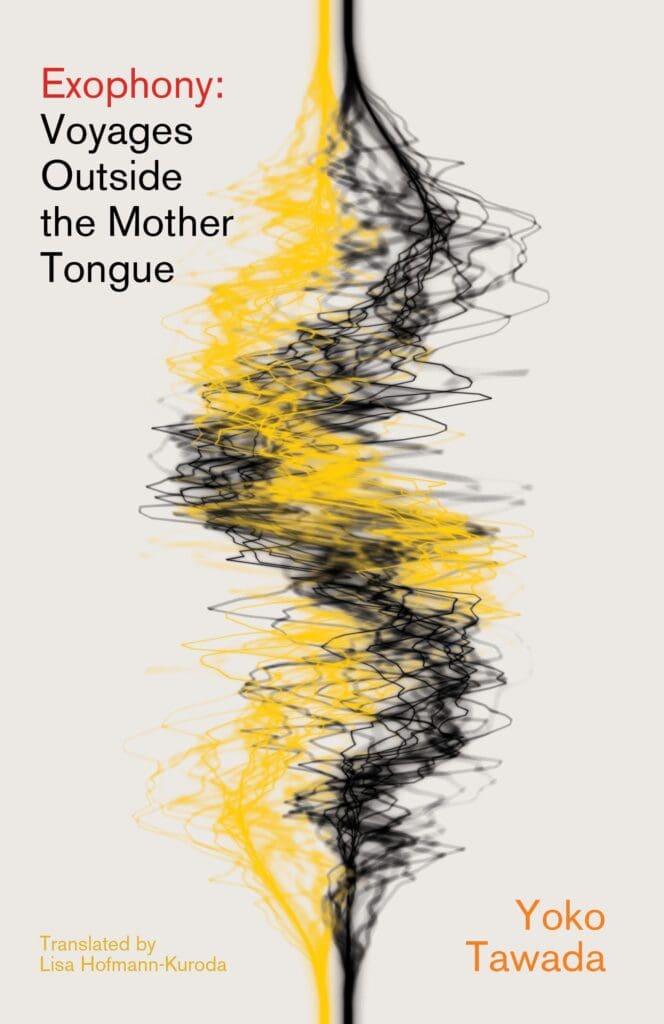
Exophony: Voyages Outside the Mother Tongue (192 pages; New Directions), acclaimed Japanese-German author Yoko Tawada’s first essay collection available in English, explores Tawada’s lifelong fascination with language, foreignness, and, more generally, “exophony,” which she understands as existence outside one’s mother tongue.  The book, writes Lisa Hofmann-Kurada in her translator’s note, “is clearly addressed to a Japanese readership. In many ways the book is about the Japanese language itself.” As a result, it’s hard to shake the feeling that the actual matter of the essays—Tawada’s discussion of familiarity, understanding, and ignorance—and the writing’s sensibilities, associations, and perspectives, out of which its […]

Continue Reading

‘It Must Be a Misunderstanding’ by Coral Bracho: Adding Color and Depth to One of Life’s Hardships

by Meryl Natchez

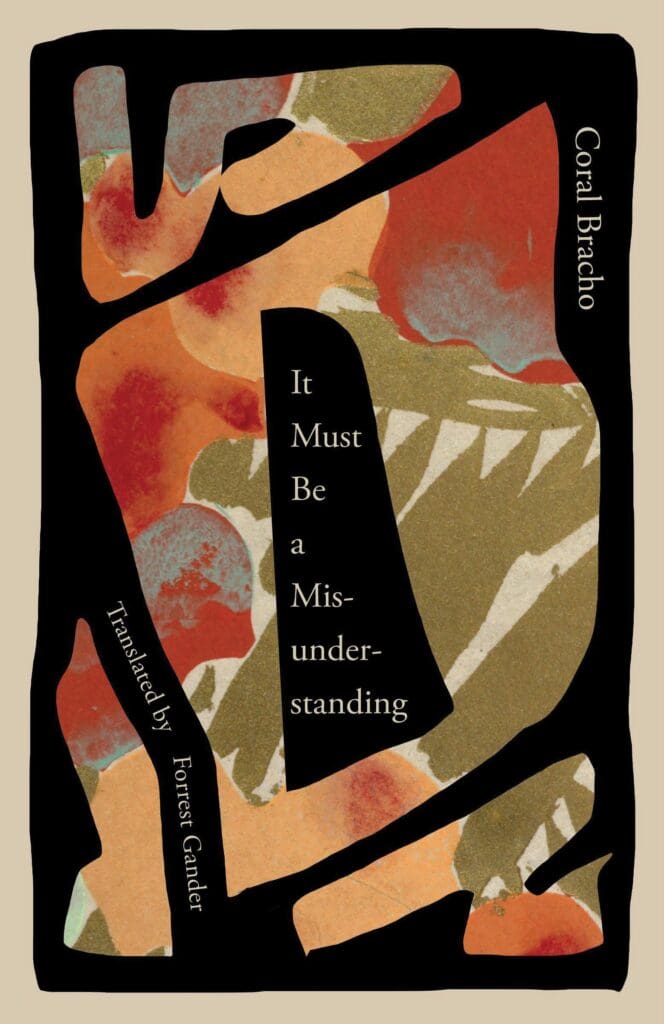
Anyone who has experienced a loved one’s trajectory through Alzheimer’s might wonder how a book of poetry focused on that harrowing experience could be uplifting. But Coral Bracho’s It Must Be a Misunderstanding (New Directions; 135 pages), translated by Forrest Gander, is not only tender and compassionate, but leaves the reader suffused in the mystery of being. The book is dedicated to Bracho’s mother, who died in 2012 from complications of Alzheimer’s. A short book of fragmentary lyrics, it builds through its sections like a concerto, adding color and depth as it goes. The themes of Intuitions, Observations, and various […]

Continue Reading

‘Night Train’ by A.L. Snijders: Blooming Within Constraints

by Chiara Bercu

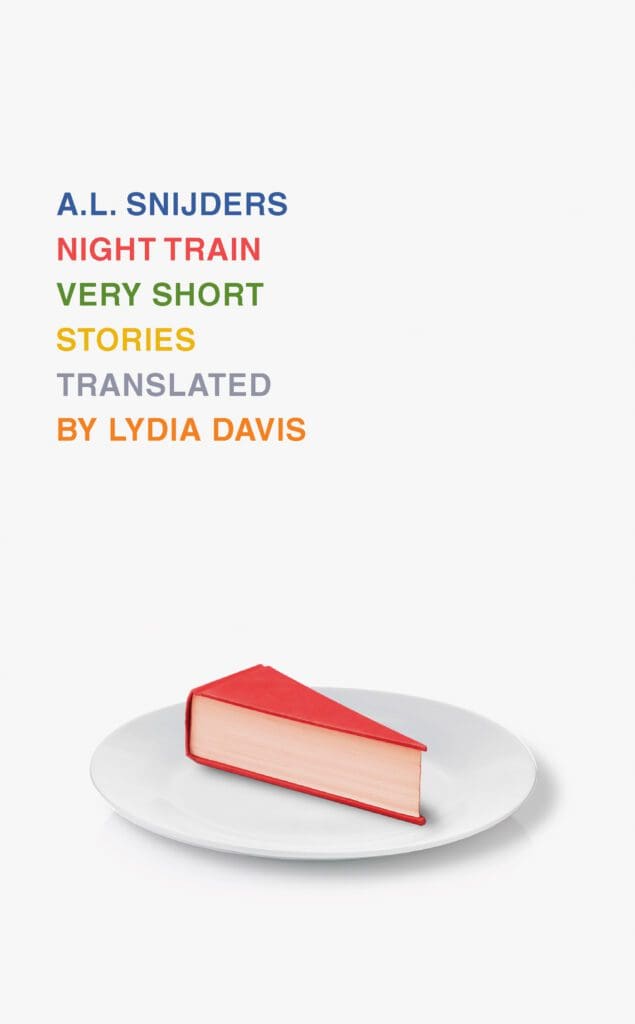
When she began translating contemporary Dutch micro-fiction writer A.L. Snijders’s work, Lydia Davis had only a passing familiarity with the language. Night Train (128 pages; New Directions) presents 91 of Snijders’s more than 3,000 stories, or what he called his zkv’s (zeer korte verhalen: “very short stories”). The collection is a long-tended-to anthology of these writings—“autobiographical mini-fables,” as Davis calls them—whose translations she parsed and reasoned-through using what she knew of German and French, and with the consult of Snijders’s Dutch publisher, Paul Abels. Many of the pieces parallel the tone and form of some of Davis’s own vignettes: stories […]

Continue Reading

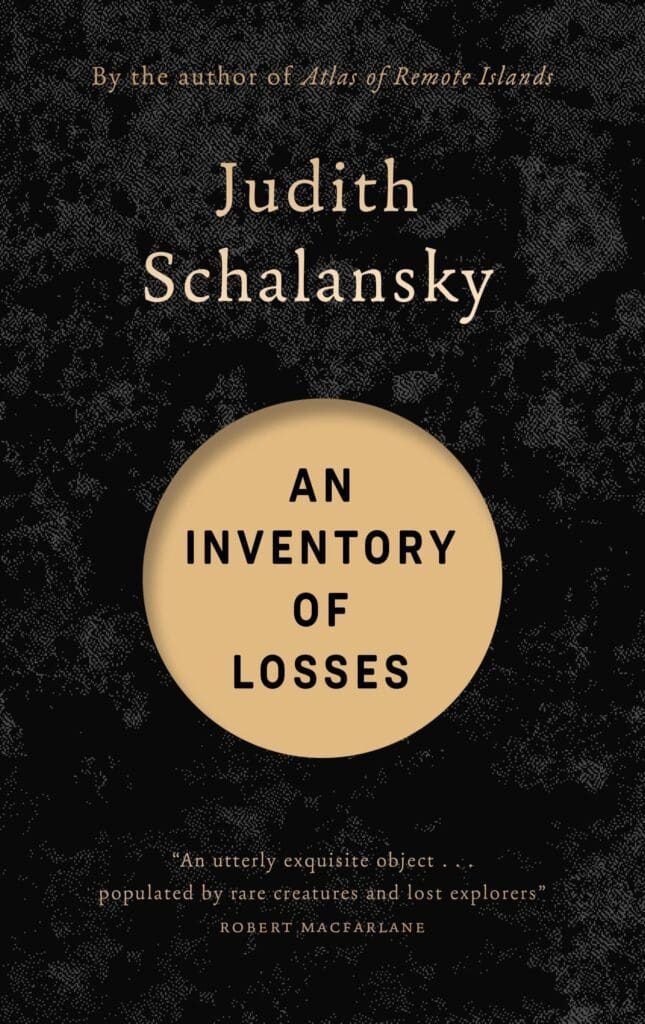
‘An Inventory of Losses’ by Judith Schalansky: The Innumerable Items of the Past

by Lily Nilipour

In the human endeavor of preservation, there is an intimate relationship between memory and those tasked with preserving it. In his essay “Between Memory and History: Les Lieux de Mémoire,” French historian Pierre Nora writes that “today…professional archivists have learned that the essence of their trade is the art of controlled destruction.” Among other things, this suggests that a true archivist has a love for not only what remains in the archive, but also what is lost. Memory is an art—the artist the recaller but also the forgetter. Judith Schalansky’s An Inventory of Losses (238 pages; New Directions), newly translated […]

Continue Reading

A Layered Portrait of a Mind at War with Itself: ‘Viviane’ by Julia Deck

by

“The cry of the mind exhausted by its own rebellion”—Albert Camus The slim spine of Julia Deck’s first novel, Viviane (The New Press, 149 pages), expertly translated from the French by Linda Coverdale, belies its intellectual heft. Deck’s crystalline language, too, appears innocently transparent, offering up on a silver platter events just as they transpire and thoughts just as they emerge from the narrator’s troubled mind. But this, too, is delightfully deceptive, as the hidden influences of language, and the impossibility of knowing or telling exactly what happens, appear to be part of Deck’s central concern. On the first page, […]

Continue Reading

The Brazilian Bird of Prey: Four New Translations of Clarice Lispector

by

In his preface to Clarice Lispector’s A Breath of Life (Pulsations), editor Benjamin Moser calls the four new translations from New Directions of Lispector’s novels—including Água Viva, Near to the Wild Heart, and The Passion According to G.H.—“the most important project of translation into English of a Latin American author since the complete works of Jorge Luis Borges were published a decade ago.” This is hardly a disinterested opinion: Moser himself kicked off the retranslations of Lispector’s work with The Hour of the Star (New Directions), published late last year. He also published a biography of Lispector in 2009, Why […]

Continue Reading