‘Mona’ by Pola Oloixarac: Life in Translation

by Owen Torrey
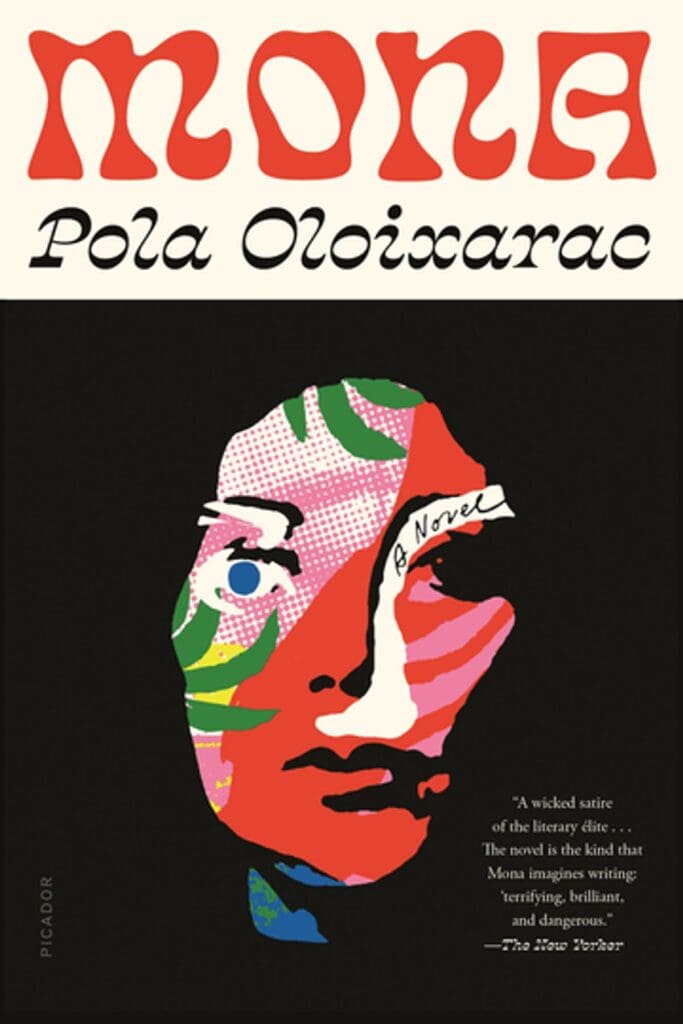
“The festivals are the real novels!” shouts the protagonist of Mona (192 pages; FSG Books), a new novel by Argentinian author Pola Oloixarac. Mona is one-whiskey-deep, standing in a pub in Sweden with a crowd of writers. Across the bar, a Latvian poet grabs a Finnish author, striking up a conga line. Mona orders a second whiskey and surveys the crowd. “They come to places like these thinking they’re writers,” she continues, “and end up leaving as characters.” The occasion for this evening’s celebration, as well as the novel as a whole, is the ceremony for the Basske-Wortz Prize: a […]

Continue Reading

‘Low Country’ by J. Nicole Jones: Lost Dreams, Anger, and Ghosts

by Ray Levy Uyeda

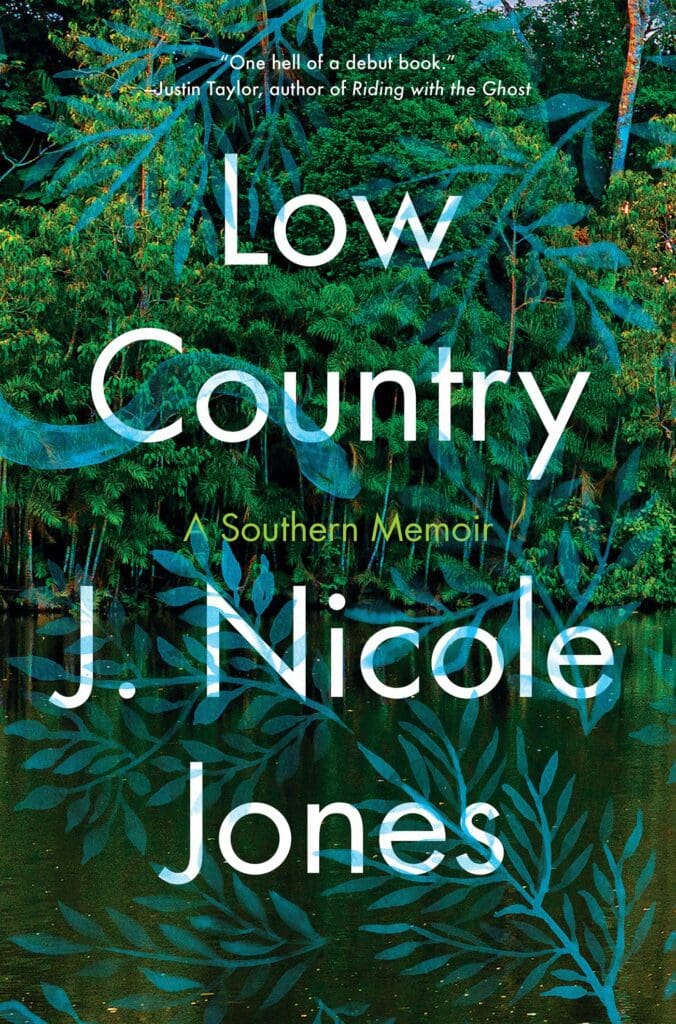
In every family there is an archivist. Someone to keep track of lost things, tales of victory and heartbreak, someone who can recall nearly-forgotten names. In author J. Nicole Jones’ family, that person was her grandmother, a woman who could fluidly weave a tale of home—Horry County, South Carolina. With her memoir, Low Country (230 pages; Catapult), Jones has succeeded in the role of family archivist, imploring us to see that the story of the Jones family is the story of South Carolina, and the story of J. Nicole Jones is the story of the women who preceded her. Low […]

Continue Reading

‘Why Didn’t You Just Do What You Were Told?’ by Jenny Diski: Seeing, Being, Naming

by Alana Frances Baer

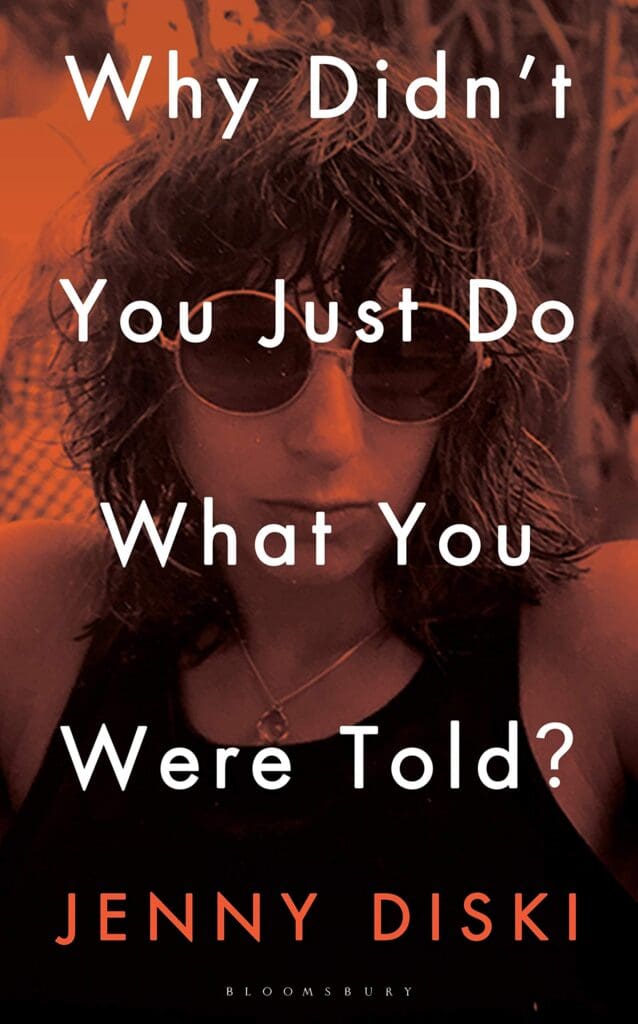
Jenny Diski’s posthumous collection, Why Didn’t You Just Do What You Were Told? (448 pages; Bloomsbury), consists of thirty-three essays, selected from the over two hundred the prolific British author wrote for the London Review of Books up until her death in 2016 at 68. Opening with a lighthearted account of a breakup and concluding with a humble meditation on her cancer diagnosis, the book synopsizes the inertia of life. Between those bookend essays are others that tend toward a topic-oriented approach that awards agency to her subject, rather than herself. Writing about Friedrich Nietzsche and his sister Elisabeth, Diski discerns […]

Continue Reading

‘The Joy and the Terror Are Both in the Swallowing’ by Christine Shan Shan Hou: A Sword Down the Throat

by Lily Nilipour

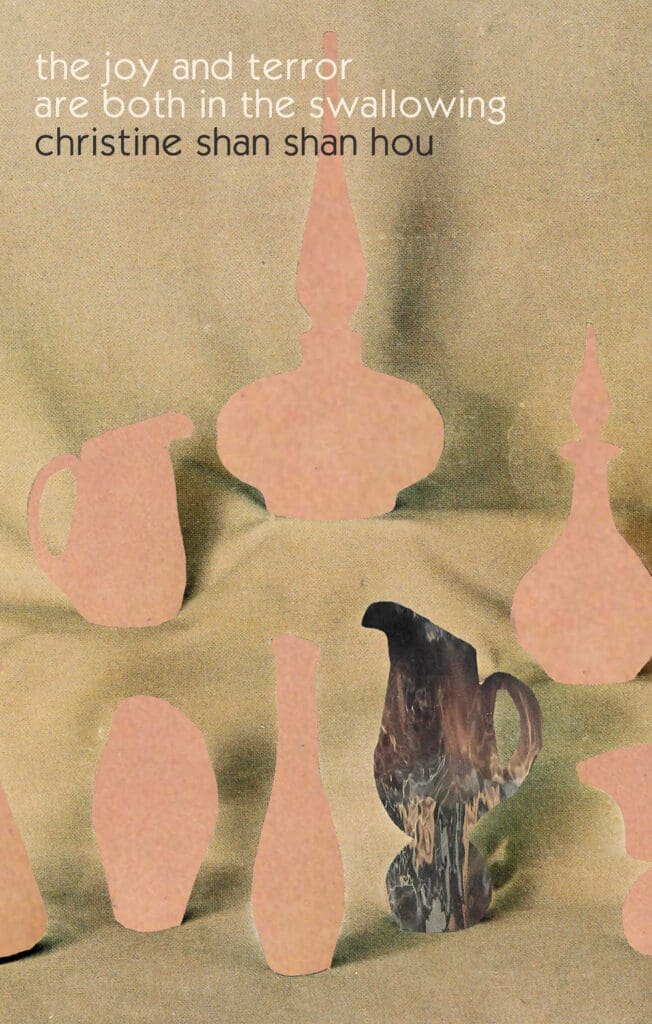
Christine Shan Shan Hou’s poetry collection The Joy and Terror are Both in the Swallowing (92 pages; After Hours Editions) takes its title from a quote by American photographer Diane Arbus. It was a time when Arbus’ marriage was failing—a time when, as Anthony Lane writes in The New Yorker, she “was, like her mother before her, dragged into depression and sucked down, declaring, ‘The thing that sticks most in the throat and hurts the most is how easy it is. The joy and terror are both in the swallowing.’” Ten years later, in 1970, Arbus took a portrait of […]

Continue Reading

‘The World to Come’ by David Keplinger: The Beautiful in the Broken

by Ray Levy Uyeda

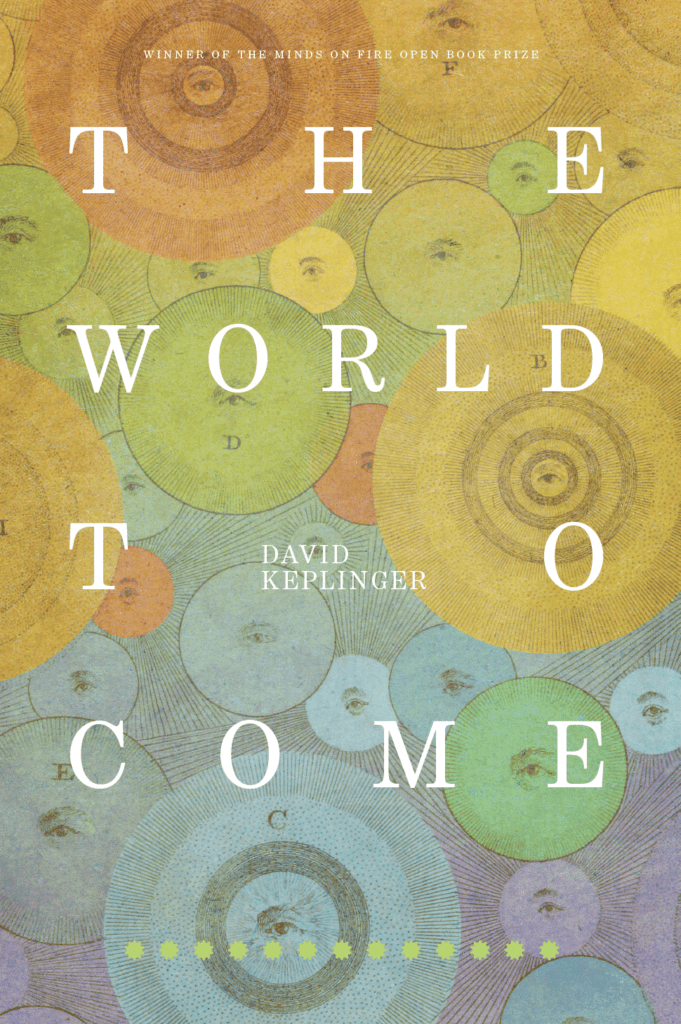
As if we have all understood and accepted that everything in the world has resonance, that our lives have begun many times over, and that the land and its creatures tell stories, David Keplinger’s newest poetry collection pinpoints what follows that understanding and acceptance. In The World to Come (106 pages; Conduit Books & Ephemera), Keplinger’s prose poetry plays with the liminal space between knowing and not knowing,investigating the universal, that which applies to us all, alongside the universal, or the literal universe and its planets. Winner of the Minds on Fire Open Book Prize, The World to Come is […]

Continue Reading

‘Summerwater’ by Sarah Moss: Mortality, Regret, and a Rained-Out Vacation

by Rayna Carey

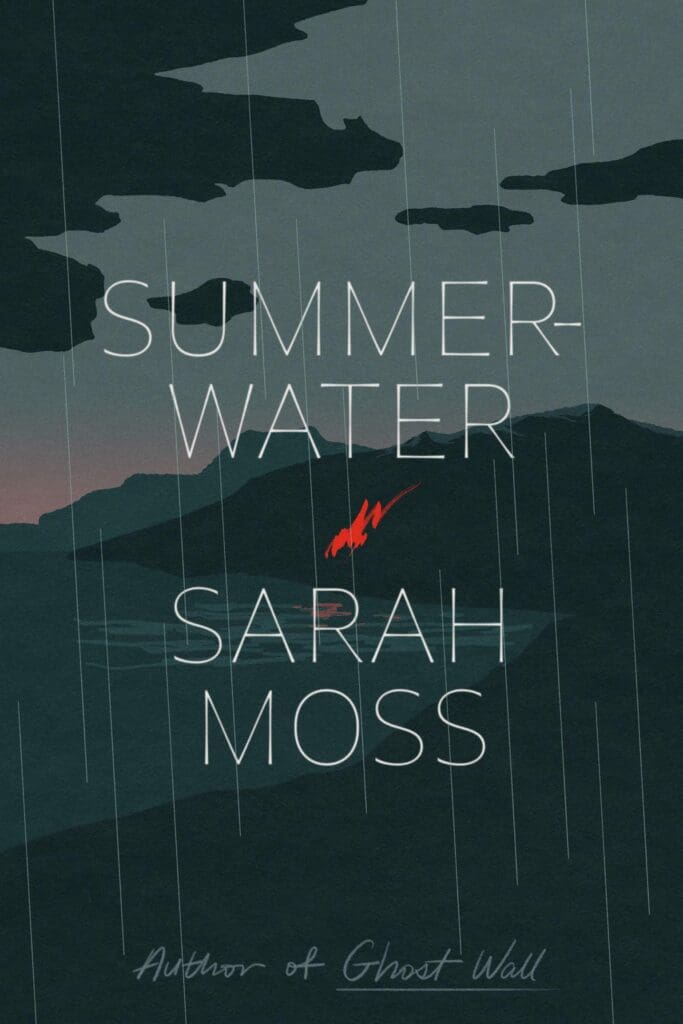
Staying at a tourist campsite at a loch in Scotland, the different families of Sarah Moss’s Summerwater (203 pages; Farrar, Straus, and Giroux) have to contend with a day of heavy summer rain. Even though relatively little action occurs for most of Moss’s humorous and poetic novel, Summerwater’s narrative is driven by its various characters’ contemplations during the rainstorm. From frustrated teenage siblings to a little girl taunting a stranger to an elderly couple silently wrestling with the past, the diverse characters reveal themselves through their internal stream-of-consciousness dialogue as they contemplate mortality, regret, and marriage, as well as their […]

Continue Reading

‘Post-Mortem’ by Heather Altfeld: The Complexity of Loss

by Meryl Natchez

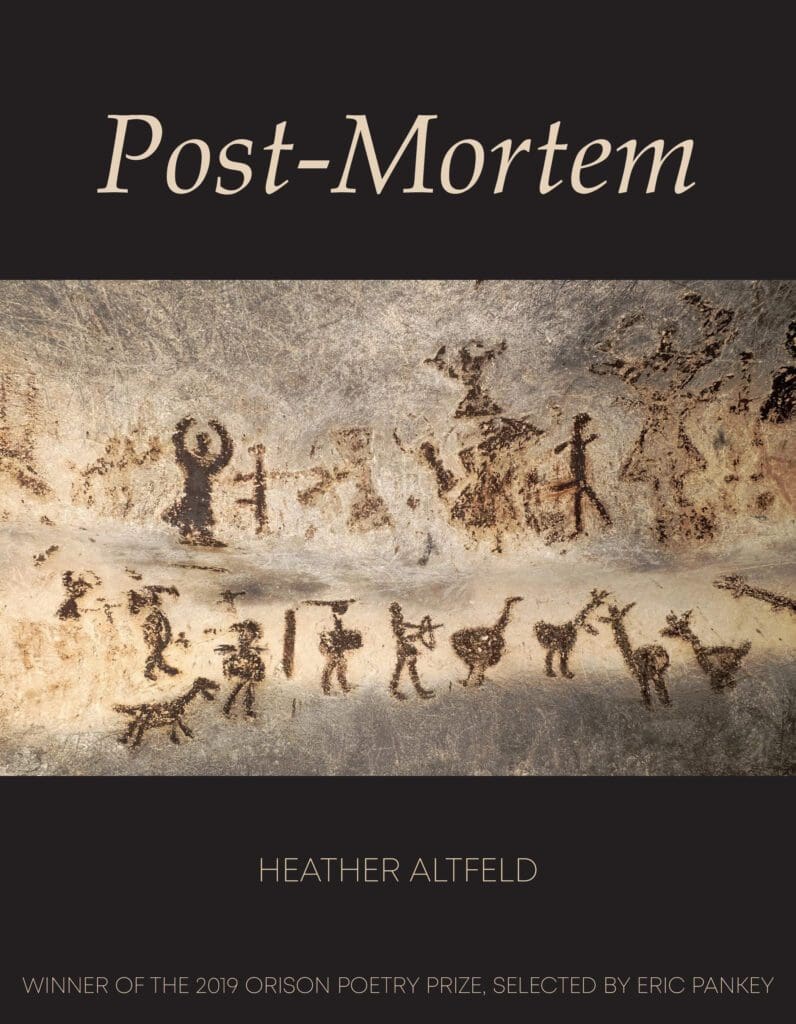
There is a custom in the Jewish tradition called Kaddish, which includes saying aloud the names of the dead. The idea is that they live again for that brief moment when their name rings in the air. I thought of this while reading Heather Altfeld’s new book, Post-Mortem (100 pages; Orison Books), which details the complexity of loss we all know about but rarely speak of: the death of languages of indigenous peoples, of species, of the earth. Though the tone of the book is elegiac and it’s not light reading, the specificity and detail in these poems often make […]

Continue Reading

‘Rabbit Island’ by Elvira Navarro: Masterful and Strange

by Lily Nilipour

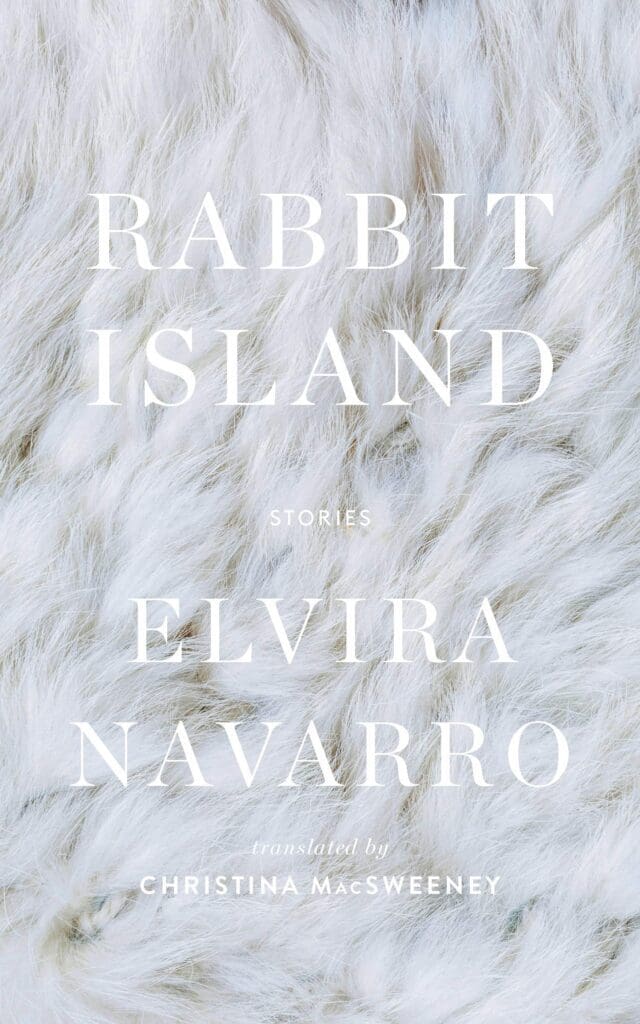
In “Strychnine,” the second story of Elvira Navarro’s collection, Rabbit Island (164 pages; Two Lines Press; translated by Christina MacSweeney), an unnamed narrator wanders an unnamed city while struggling to write a story—her story. The only thing she can decide on is a style: “She wants to enter this aura of serene iciness she has just imagined, which is also the tone she wants for her text.” But the narrator’s project becomes hindered by the growth of a strange protrusion from her right ear–a paw with toes that have small mouths. The paw hangs painfully from her earlobe, garnering sideways […]

Continue Reading

‘My Heart’ by Semezdin Mehmedinović: Matters of Life and Death

by CJ Green

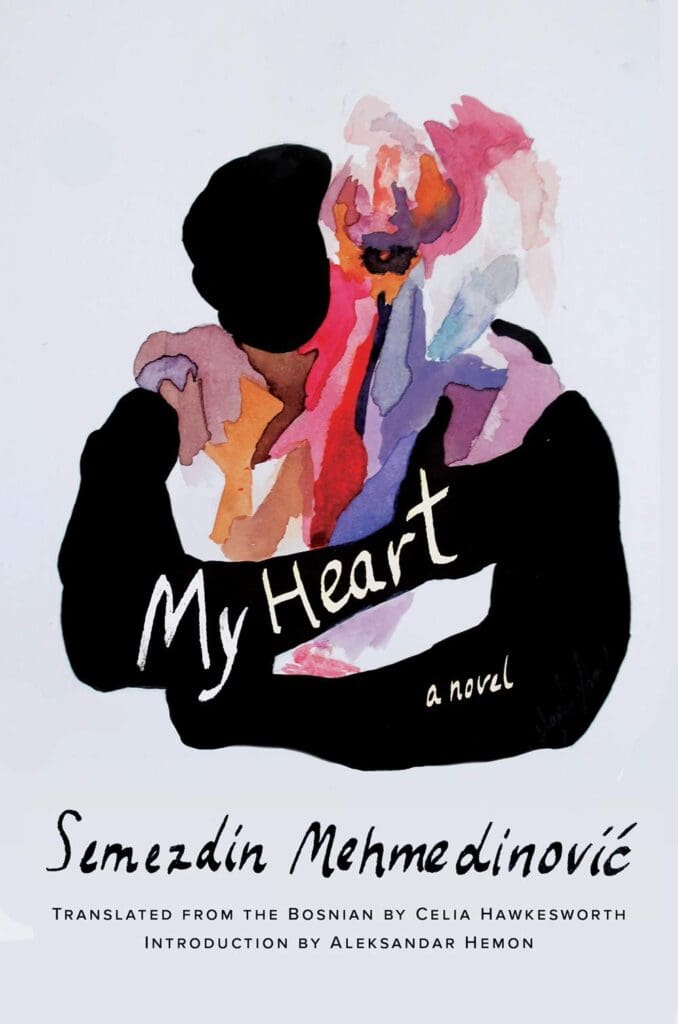
People say that when you have a child, it’s like your heart has left your body and begins walking around on its own. This idea came to mind reading Semezdin Mehmedinović’s novel My Heart (225 pages; Catapult; translated by Celia Hawkesworth). It begins with a heart attack that sends the protagonist into an eloquent, existential spiral, after which his priorities become increasingly clear to him. “Since I passed fifty,” he explains, “I know that everyone dies young.” The overall effect is of a camera sharpening: the background noise gives way to a crisp foreground, the local details of love and […]

Continue Reading

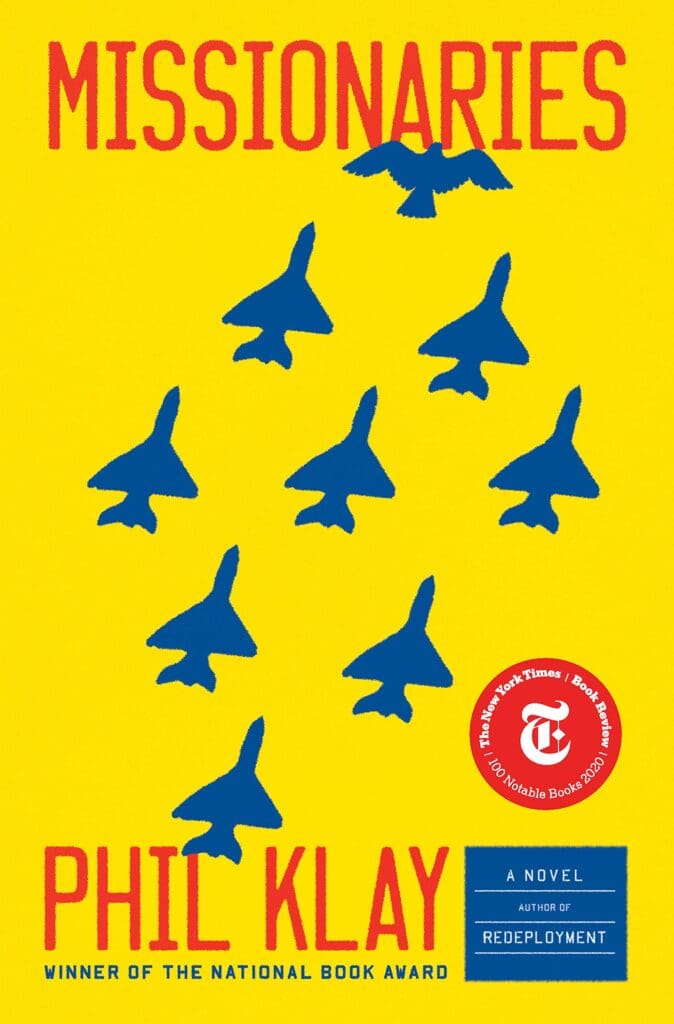
‘Missionaries’ by Phil Klay: The Cost of Indifference

by David Emmanuel

In an era of globalized conflict and widespread disinformation, all of which help fuel conspiracy theories and increasingly violent online factions, the world stage can appear given over to chaos. It is for precisely these reasons that Phil Klay’s most recent novel, Missionaries (404 pages; Penguin Press), feels so refreshing, as the author draws connections and finds meaning in the disorder. The plot largely takes place in Colombia and centers around the various factions (paramilitary groups, guerilla fighters, the Colombian government, and U.S forces) that strive to steer the country in the direction that best suits their own interests. Though […]

Continue Reading

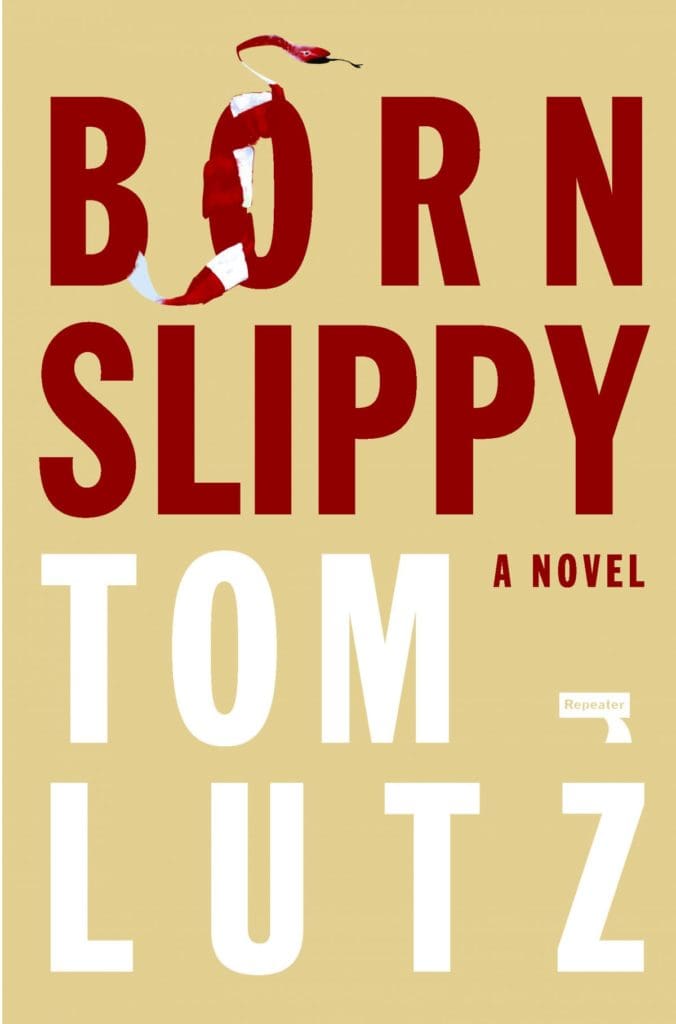
‘Born Slippy’ by Tom Lutz: Unchecked by Moral Scrutiny

by Michelle Latiolais

Tom Lutz novel Born Slippy

With great guilty pleasure I left off reading A Journal Of The Plague Year by Daniel Defoe and picked up Born Slippy (310 pages; Repeater Books) by the critic and scholar Tom Lutz. This is Lutz’s first novel, and on show are the wild and woolly qualities of the best first novels, I am happy to report. There is no bubonic plague to drive the narrative and to provide the agar within which we observe human behavior, no. Instead, there is in Born Slippy a character named Dmitry, a one-man plague. Frank, the novel’s central intelligence, regrets many, many times […]

Continue Reading

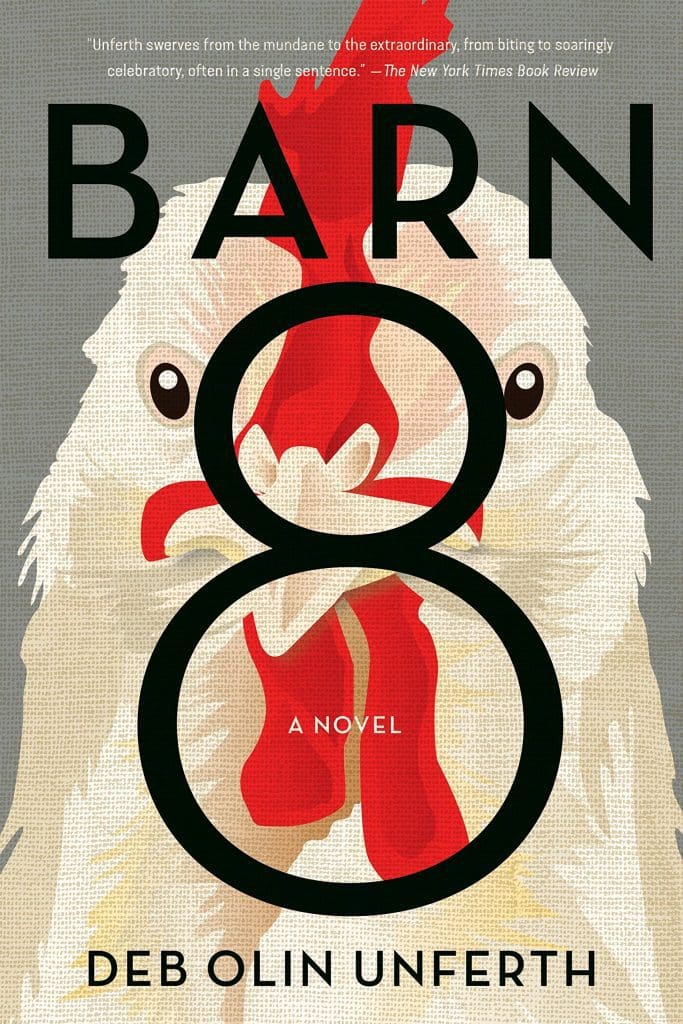
‘Barn 8’ by Deb Olin Unferth: A Comically Extreme Heist

by Zack Ravas

The premise of Deb Olin Unferth’s latest novel, Barn 8 (252 pages; Graywolf Press), involves the heist of a comically extreme number of chickens—yet to label the novel a mere comedy would be tantamount to calling Kurt Vonnegut a “humor writer.” Sure, the book is funny, quite funny, but it is much more. Unferth is tackling, with great wit and technical skill, topics as pressing as Big Agriculture, the humane treatment of animals, and the impossibility of maintaining ideological purity in any social movement. The reality is that Americans love eggs: free range or not, we will eat as many […]

Continue Reading