‘Salt Water’ by Josep Pla: A Dive Into the Mediterranean

by Colton Alstatt

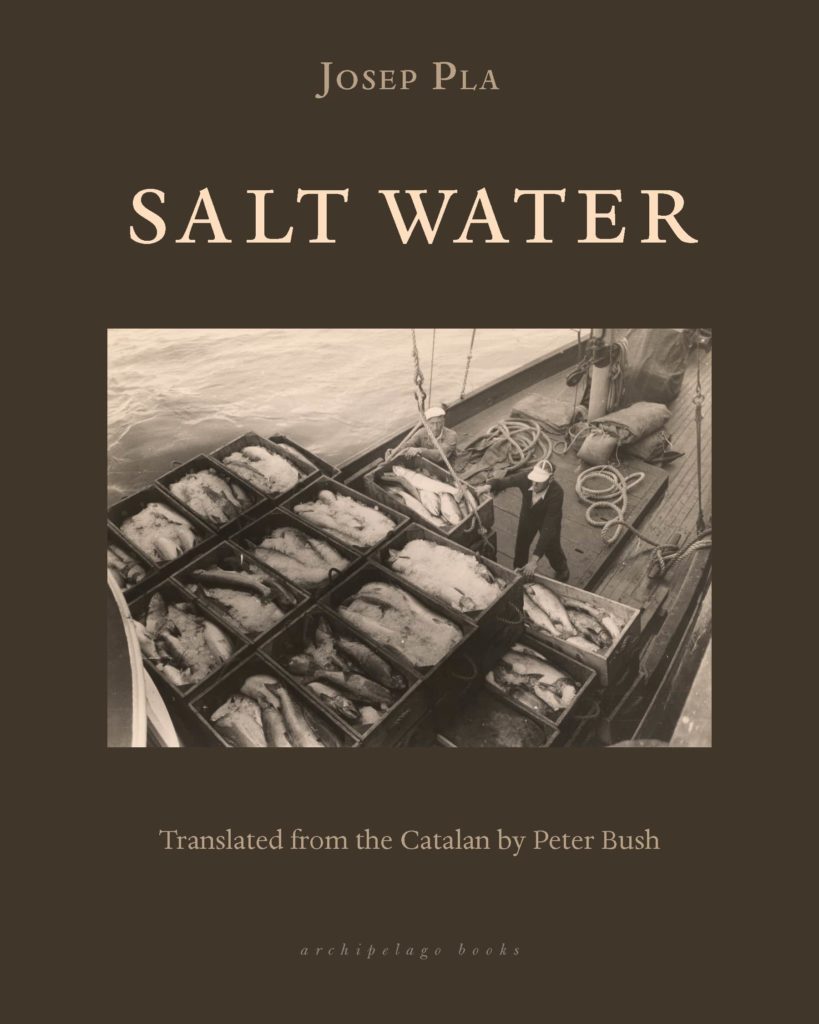
Though Josep Pla earned a reputation as “the most important (and censored) prose writer in twentieth century Catalan literature” for his anti-fascist journalism, the late author admitted regret that his work kept him from fiction writing. In a 1966 preface to the recently re-published Salt Water (464 pages; Archipelago Books), Pla views the collection of connected and ostensibly nonfiction pieces  written in his youth as “evidence of [his] potential, of what [he] might have achieved.” Considering that this  was a lie meant to subvert Franco’s fascist censors, and Pla actually wrote these short stories while in his fifties, Salt Water […]

Continue Reading

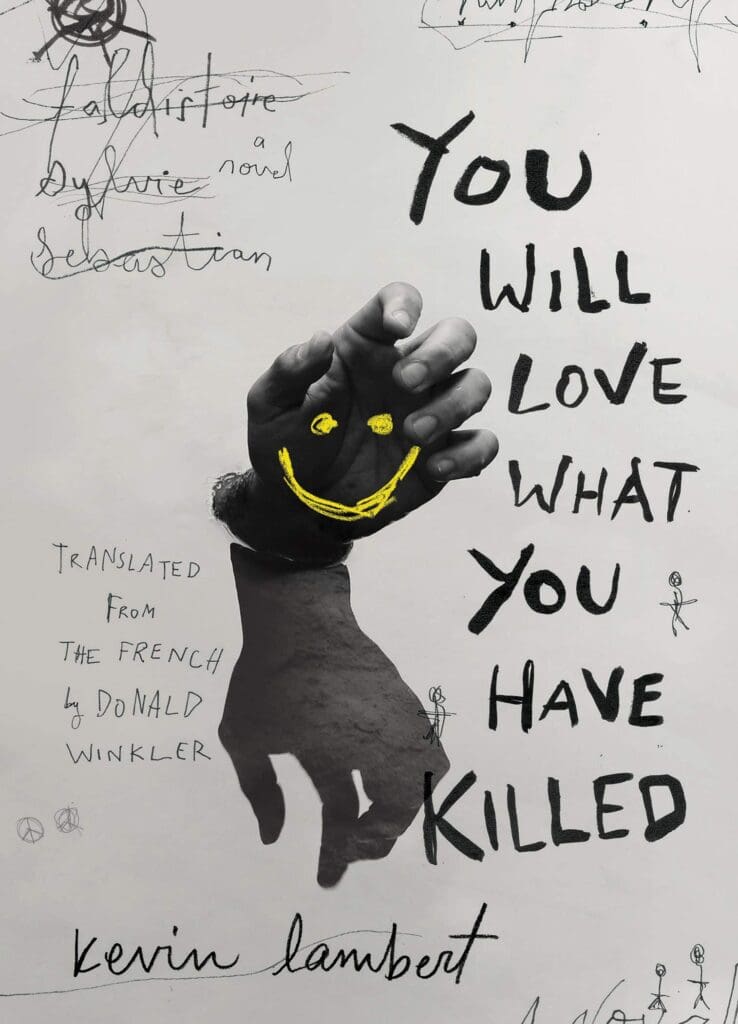
‘You Will Love What You Have Killed’ by Kevin Lambert: Rip It Up and Start Again

by Zack Ravas

While involved in the Free Speech Movement at Berkeley during the Sixties, activist Jack Weinberg became famous for coining the phrase, “Don’t trust anyone over 30”; few novels personify his quote as sharply as You Will Love What You Have Killed (185 pages; Biblioasis International; translated by Donald Winkler), the first novel by Canadian Millennial author Kevin Lambert. The story is set in Chicoutimi, a small French-speaking town in Quebec where children more often than not end up dead at the hands of their elders. On the surface, Chicoutimi is a town that appears like any other—with its glad-handing politicians, […]

Continue Reading

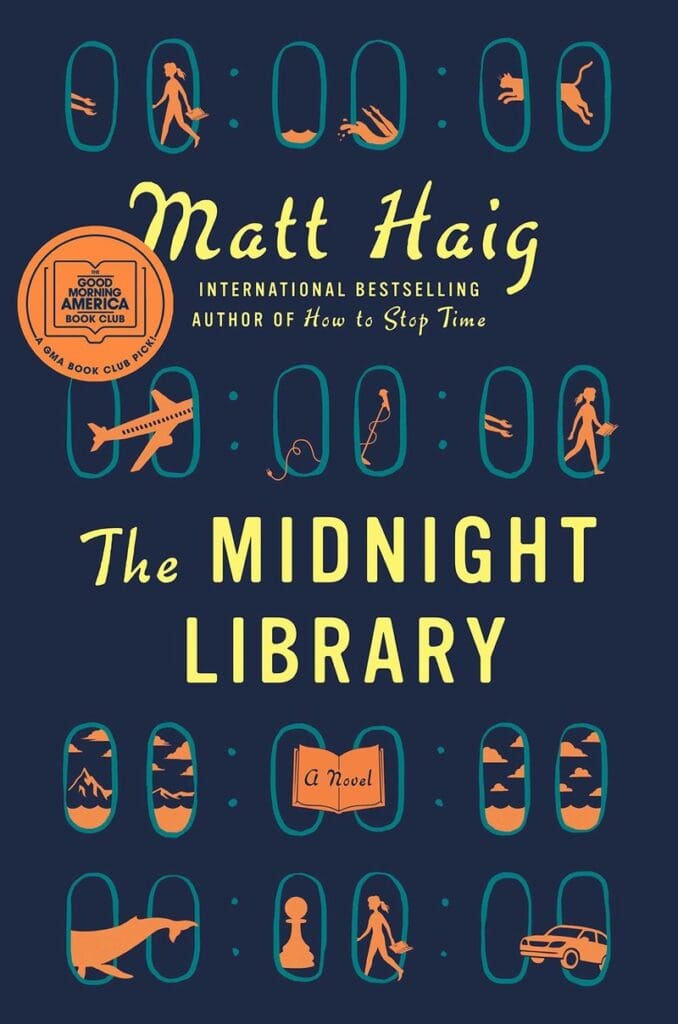
‘The Midnight Library’ by Matt Haig: All That Could Have Been

by Nessa Ordukhani

There isn’t a single person who hasn’t asked themselves “what could have been.” Regret is as ubiquitous as air and we cannot help but dwell on hypotheticals and possibilities. In Matt Haig’s new novel, The Midnight Library (288 pages; Viking), the reader is invited into a world where regrets and missed chances—the parallel lives that exist should things have turned out differently—can be visited. At the center of Haig’s story is Nora Seed, a woman inundated with remorse. With a dead-end job, a terminated engagement, and a plethora of family issues, Nora can’t seem to get anything right. When she […]

Continue Reading

Taming the Dog

by Kristen Tracy

We hope it’s a safe and restful holiday for you and your loved ones. In that spirit, we’re sharing Kristen Tracy’s poem from Issue 112, “Taming the Dog”: Your dog arrives at my open window filled with advice. He sees how I trim the beans and complains. He believes the way I tenderize my lamb is an abomination. The neck may be tough, but in my house we use everything. We hang our laundry. We beat our rugs and there is joy. Last night, he caught me pruning the magnolia tree, appeared beneath my ladder, fur holding the light of […]

Continue Reading

ZYZZYVA Staff Recommends November 2020: What to Read, Watch, & Listen to

by ZYZZYVA Staff

We hope our readers have a safe and peaceful Thanksgiving this year; and just in case you’re in need of some light reading after a heavy meal, we’ve got you covered with a bevy of content in this month’s Staff Recommends. So let’s get cracking: Corinne Leong, Intern: Late November in Vermont: the trees are free of leaves, the skies grey with incoming winter. Richard Papen, a transfer student from a rural town in Central California, has begun studying Classics at Hampden College alongside a cohort of enigmatic and seemingly superior characters.  I’ve always associated Donna Tartt with her more […]

Continue Reading

The L.A. Issue: Letter from the Editor

by Laura Cogan

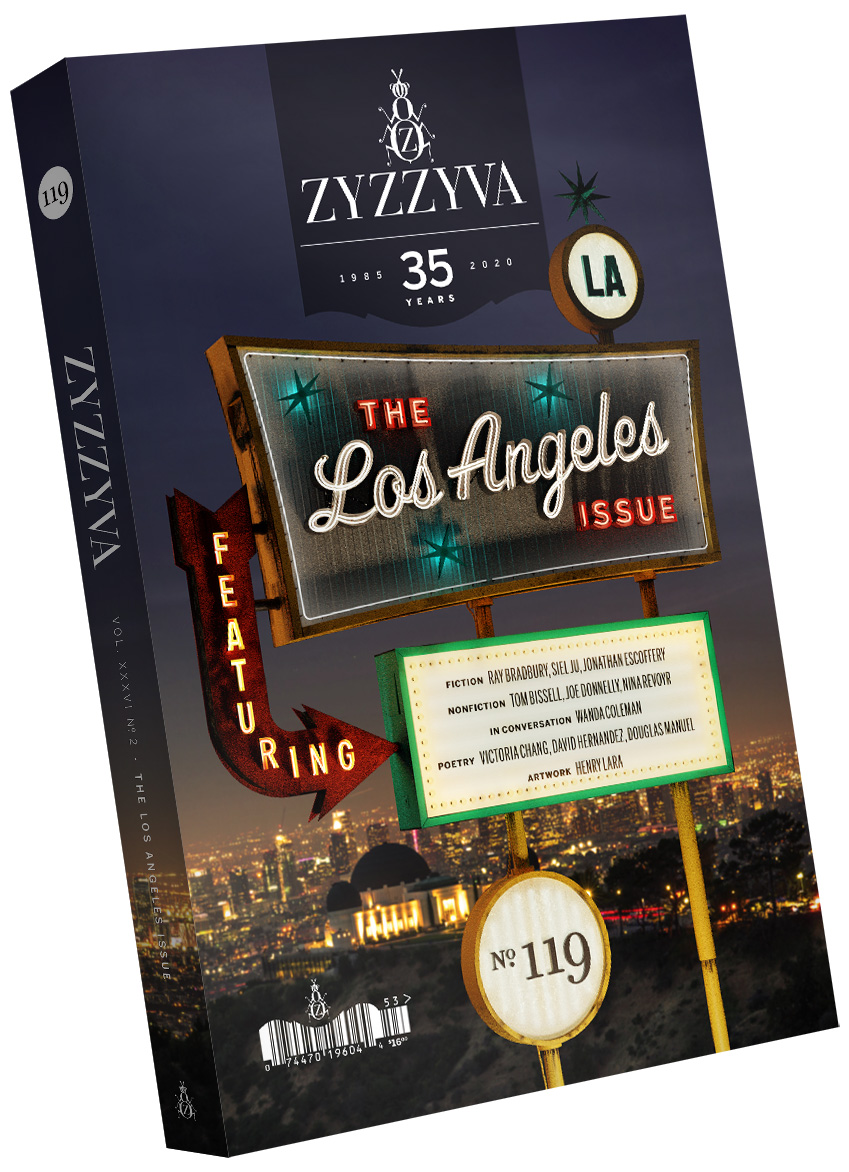
ZYZZYVA Volume 36, #2, Fall–Winter 2020 (No. 119) - Night Version

The following is Laura Cogan’s Letter from the Editor in our new L.A. Issue. You can purchase a copy of Issue 119 from our Shop page: Dear Reader, Though Los Angeles occupies an outsized space in America’s (and even the world’s) cultural imagination because of the film and television industries, its literary culture is comparatively overlooked or minimized. Here on the West Coast we are busy enough going about our work that it is easy to forget for long stretches at a time the still significant East Coast bias in publishing. And then every so often someone in New York sends […]

Continue Reading

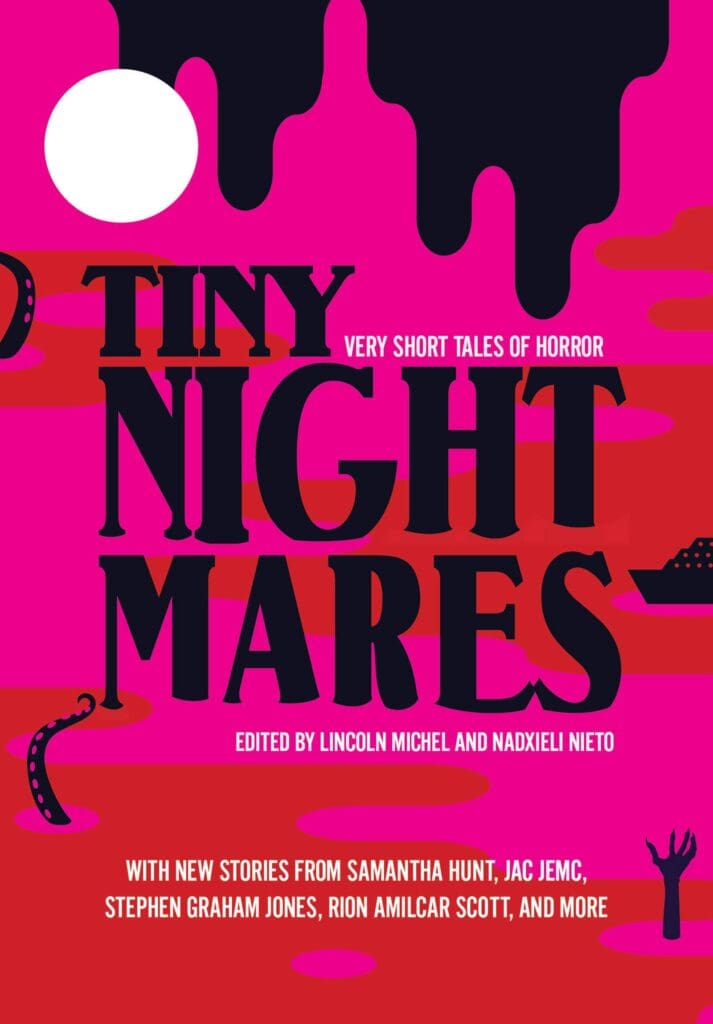
‘Tiny Nightmares: Very Short Stories of Horror’: A Great Escape

by Cade Johnson

2020, with all its horrors, may have given Halloween a run for its money this time around. The holiday’s circumstances themselves this year are scary enough to substantiate a scary story—kids stuck at home with parents, or otherwise risking an uptick in COVID-19 transmission by taking part in the festivities. Some who prefer to consume more uplifting content in troubling times may find the book ill-fitted for 2020, but if like me horror is a genre you hold near and dear, Tiny Nightmares: Very Short Stories of Horror (Catapult; 289 pages; edited by Lincoln Michel & Nadxieli Nieto) is a […]

Continue Reading

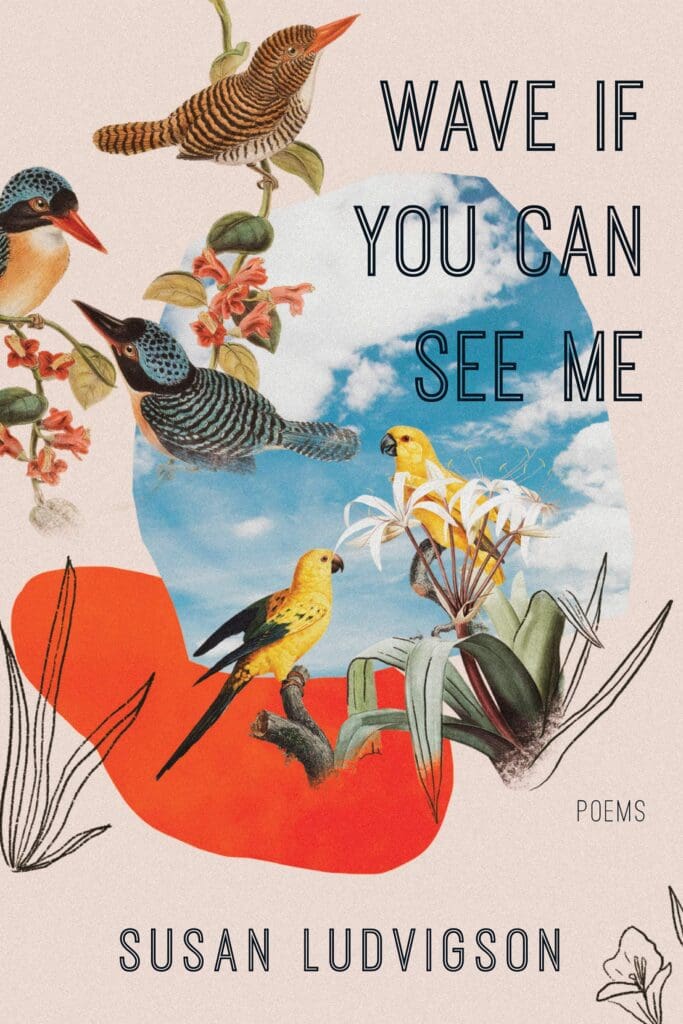
‘Wave If You Can See Me’ by Susan Ludvigson: The Water We Must All Cross

by Corinne Leong

Susan Ludvigson’s latest poetry collection, Wave If You Can See Me (72 pages; Red Hen Press), written in the wake of her husband’s death from long-term illness, is not a narrative of violent, all-consuming grief nor of its resulting numbness. Rather, it is a quiet depiction of longing and inquiry that waxes and wanes, from the perspective of a woman who has prepared extensively for loss. In its restraint, the collection attempts to answer seemingly ineffable questions: Can we know grief before it touches us? Can we begin to interrogate death if we haven’t inhabited it? Ludvigson’s poems are quiet […]

Continue Reading

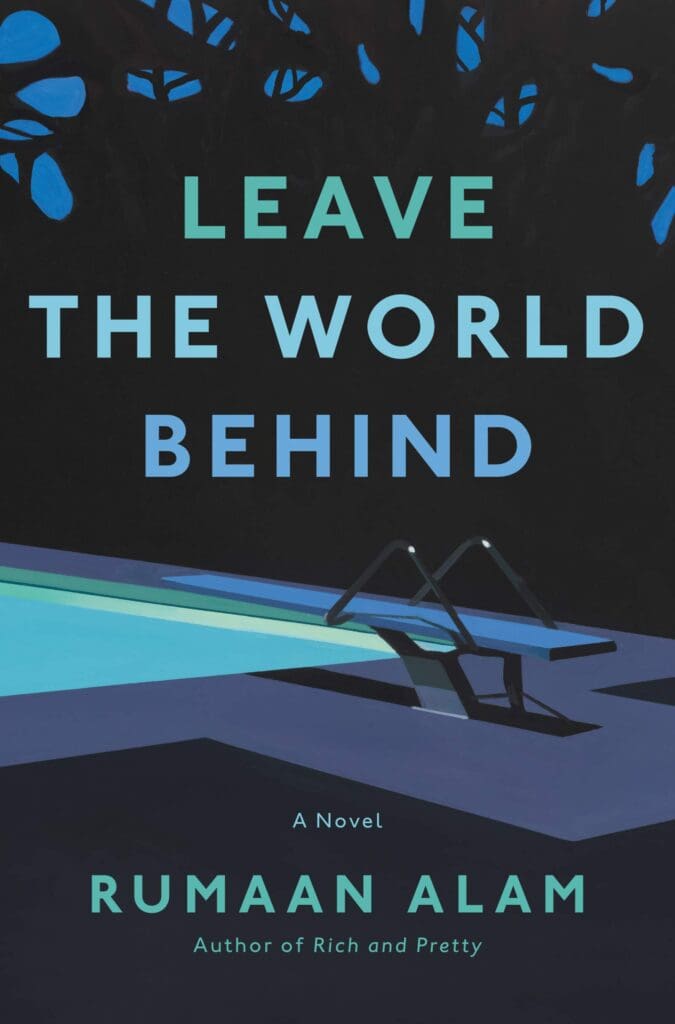
‘Leave the World Behind’ by Rumaan Alam: On the Precipice of Disaster

by Nessa Ordukhani

When Amanda and Clay rent a house in the Hamptons with their kids, Rose and Archie, they expect a pleasant family trip and time away from the city. But before they can fully enjoy their rental home, a late-night knock on the door floods their holiday with a new reality of growing fear and unknowable terror. Standing in the doorway under the cover of darkness are the owners of the rental home, G.H and Ruth Washington, whose surprising arrival they claim is prompted by a widespread blackout in New York City. Unable to connect with news sources, or ascertain any […]

Continue Reading

‘Best Debut Short Stories 2020: The PEN America Dau Prize’: The Ties That Bind

by Cade Johnson

Each year, Catapult publishes an anthology of the twelve recipients of the PEN/Robert J. Dau Short Story Prize for Emerging Writers, which highlights writers who demonstrate exceptional talent in their first published short stories. In this year’s installment, Best Debut Short Stories 2020: The PEN America Dau Prize (240 pages; Catapult), editor Yuka Igarashi’s introduction observes that the un-ignorable presence and impact of money unites the collection. But reading through these stories, it’s hard not to focus, perhaps as a result of the pandemic’s transformation of the ways we socialize, on the stories’ exploration of group dynamics, as well as […]

Continue Reading

‘Antkind’ by Charlie Kaufman: One Very Long Laugh

by Colton Alstatt

As a screenwriter and director, Charlie Kaufman has won acclaim for movies like Being John Malkovich, Eternal Sunshine of the Spotless Mind, and Synecdoche, New York—but not from film critic B. Rosenberger Rosenberg, the protagonist of Kaufman’s new avant-garde romp, Antkind (705 Pages; Penguin Random House), who, in a meta twist, maligns the author time and again, often before B. is hit by a bicyclist, or buried beneath an avalanche of books, or falls into a manhole. (He does that a lot.). Reading Antkind is a bodily thing, so full is it of gut and heart. For once, the cliché […]

Continue Reading

‘Bestiary’ by K-Ming Chang: Dark of the Mind

by Corinne Leong

From Plath to Vuong, the poet-novelist has long been a centerpiece of literary conversation, subverting convention to craft impossibly engaging narratives. K-Ming Chang, a poet by precedent, comes prepared to contribute to that legacy. Her first novel, Bestiary (272 Pages; One World/Random House), is suffused with lyricism, a multigenerational, mythological, and magical-realist retelling of one family’s fraught history.  Bestiary’s three narrators are referred to only as Daughter, Mother, and Grandmother. Their narratives are interwoven, and converse and collapse upon each other. Though Chang’s novel is largely lyric and non-linear, its through-line is deceptively simple: Daughter learns the myth of Hu Gu Po—a […]

Continue Reading