Q&A with Rachel Swearingen: ‘How to Walk on Water and Other Stories’

by Christine Sneed

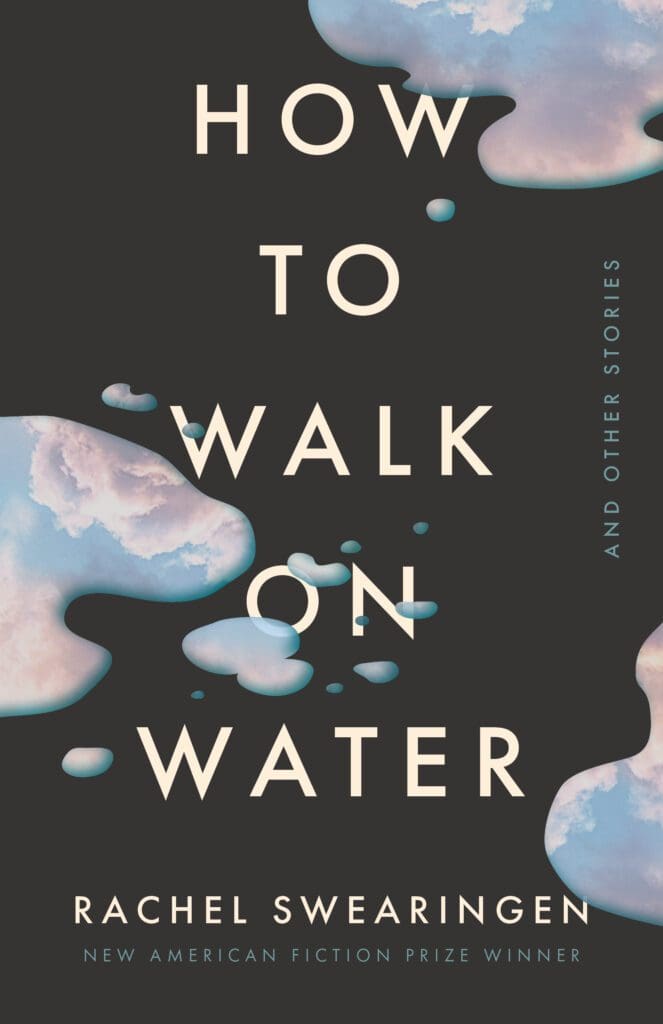
One of the best story collections I’ve read in the last several years, Rachel Swearingen’s How To Walk on Water and Other Stories (182 pages; New American Press), winner of the New American Press Fiction Prize, is defined in no small part by its author’s ability to immerse her readers in the complex and varied interior lives of the characters who populate her stories. Whether Swearingen is describing a graduate student’s attempt not to be driven to murder and madness by rude undergraduate neighbors or is offering us an intimate and highly specific view of a widower still grieving over […]

Continue Reading

ZYZZYVA Staff Recommends September 2020: What to Read, Watch, & Listen to

by ZYZZYVA Staff

Is it just us or was this September one of those ‘blink-and-you-missed-it’ kind of months? Ah, but it’s so hard to tell what time means anymore in 2020. We’re still keeping busy, however, which is why we’re back with our regularly scheduled Staff Picks in case you’re looking for something to listen to, read, or more: Bella Davis, Intern: Lately, it’s been hard for me to think about anything other than collapse. The election is a little over a month away and the President of the United States has refused to commit to a peaceful transfer of power should he […]

Continue Reading

‘Luster’ by Raven Leilani: Turning the Gaze Backward

by Colton Alstatt

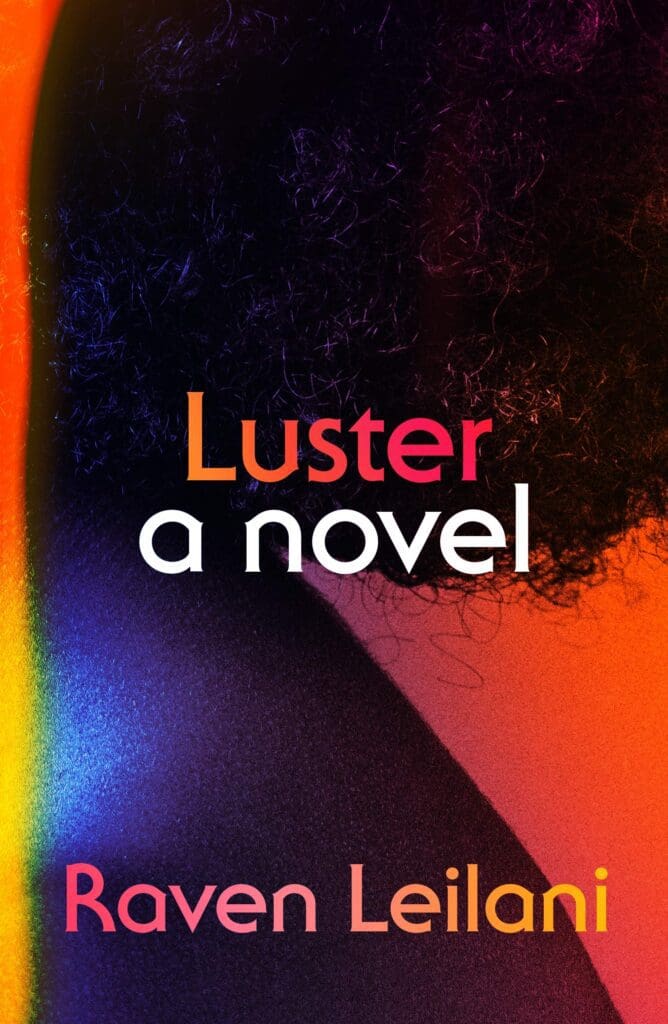
As the era of Philip Roth, Norman Mailer, and John Updike—sex-norm-subverting Baby Boomer writers—passes, something about the sexual rutting of white men grows tired. New scrutiny appears for their works; Updike’s late fiction, David Foster Wallace said, exemplified “the joyless and anomic self-indulgence of the Me Generation[’s] impassioned infidelities.” In response, a new wave of American authors are emerging to re-examine the Complicated White Man’s extramarital affair. Thirty-year-old Raven Leilani’s first novel, Luster (227 Pages; Farrar, Straus and Giroux), tells the story from the other side, as a young Black woman involves herself in the open marriage of an older […]

Continue Reading

‘My Favorite Girlfriend Was a French Bulldog’ by Legna Rodríguez Iglesias: An Offbeat Chorus

by CJ Green

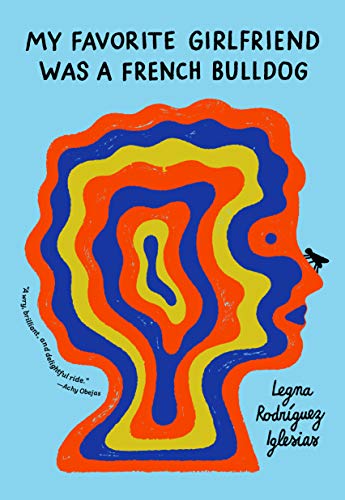
Legna Rodríguez Iglesias’ eclectic novel-in-stories, My Favorite Girlfriend Was a French Bulldog (207 pages, McSweeney’s; translated by Megan McDowell), is a boundary-breaking work. Its various episodes slide comfortably along the scale of prose and poetry, and somewhere between fiction and nonfiction. (In an early disclaimer, Iglesias notes, “Any resemblance to actual events can be blamed on me. I don’t care.”) Comprising fifteen stories, all composed by a single fictional(ized) protagonist, Iglesias’s self-assured voice transfigures into multiple others: that of an old dead man, a young girl, a wistful ex-con, and even a French bulldog. Certain voices are nostalgic, empathetic; others […]

Continue Reading

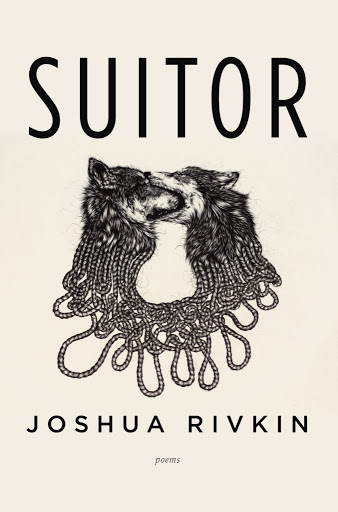
‘Suitor’ by Joshua Rivkin: The Power of Ambiguity

by Cade Johnson

The term “suitor” evokes the masculine role in courtship, and in Joshua Rivkin’s latest collection of poetry it takes on many forms as his poems grapple with masculinity, personal history, and desire. Suitor (88 pages; Red Hen Press), whose title Rivkin tells us early on comes “from the Latin secutor,/ to follow,” proves an expansive rumination on the self, what it means to succeed those who came before you, as well as the pursuit of desire. Rivkin’s poems emphasize a need to unearth perspectives previously unknown. In doing so, Rivkin sheds patriarchal categorizations of good and bad, of binaries and a […]

Continue Reading

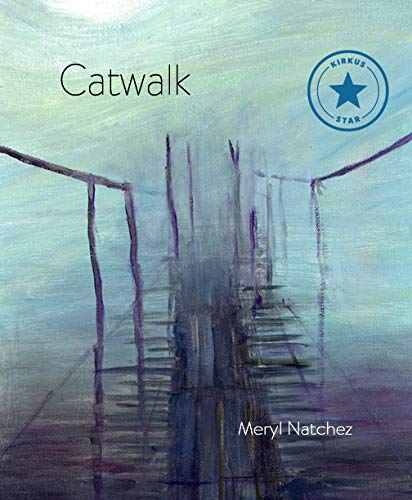
‘Catwalk’ by Meryl Natchez: Sorrow as a Matter of Perspective

by Rebecca Foust

 “Time is the school in which we learn, / Time is the fire in which we burn.”  Robert Frost believed a book of poetry should itself be structured as a poem, with individual poems functioning the way stanzas and lines do to create a beginning, middle, and end, or some other pattern that alchemizes the book into its own artistically complete and synergistic whole. In Catwalk (99 pages; Longship Press), Meryl Natchez’s meticulously structured and sequenced new book, the placement of every poem feels right and the result of a considered decision. That is, the poems are rooted in context in an […]

Continue Reading

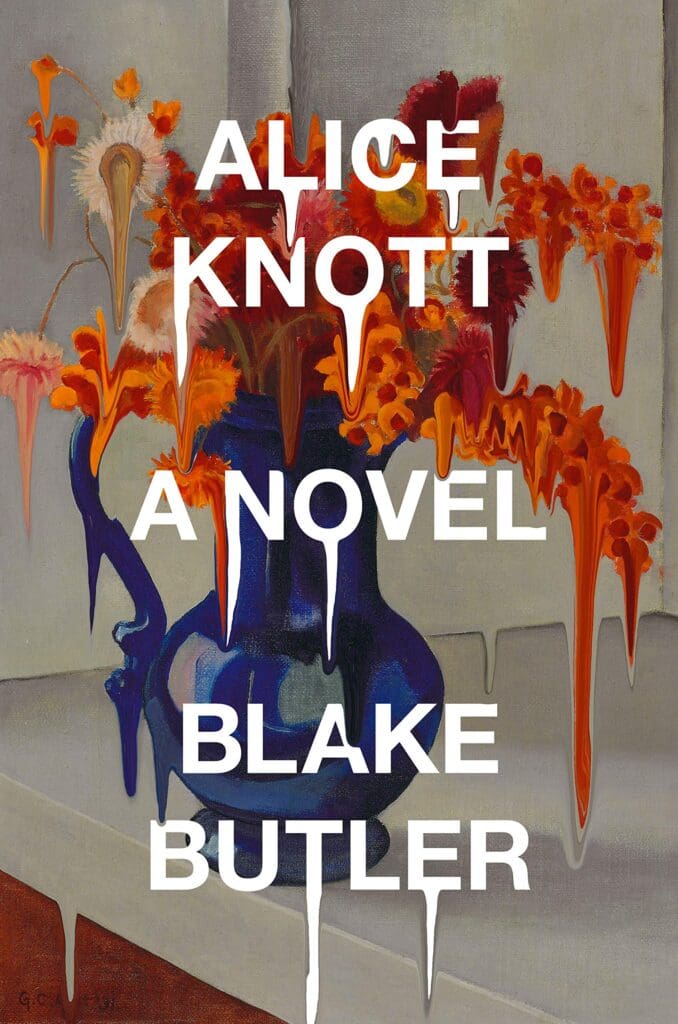
‘Alice Knott: A Novel’ by Blake Butler: Conspiracy, Art, and Paranoia

by Nessa Ordukhani

In his latest novel, Alice Knott (304 pages; Penguin Random House), Blake Butler defies the conventions of traditional narrative with a scintillating specimen of postmodernism. Alice Knott, the eponymous protagonist, is a reclusive heiress whose wealth rests in famous works of art purchased throughout the years. Alice spends her days in isolation, roaming the halls of her childhood home like a ghost, haunted by the memory of her late parents and mysterious twin brother, until a viral video reduces her life to shambles. The video captures the events of one cataclysmic evening when a group of anonymous art terrorists invade […]

Continue Reading

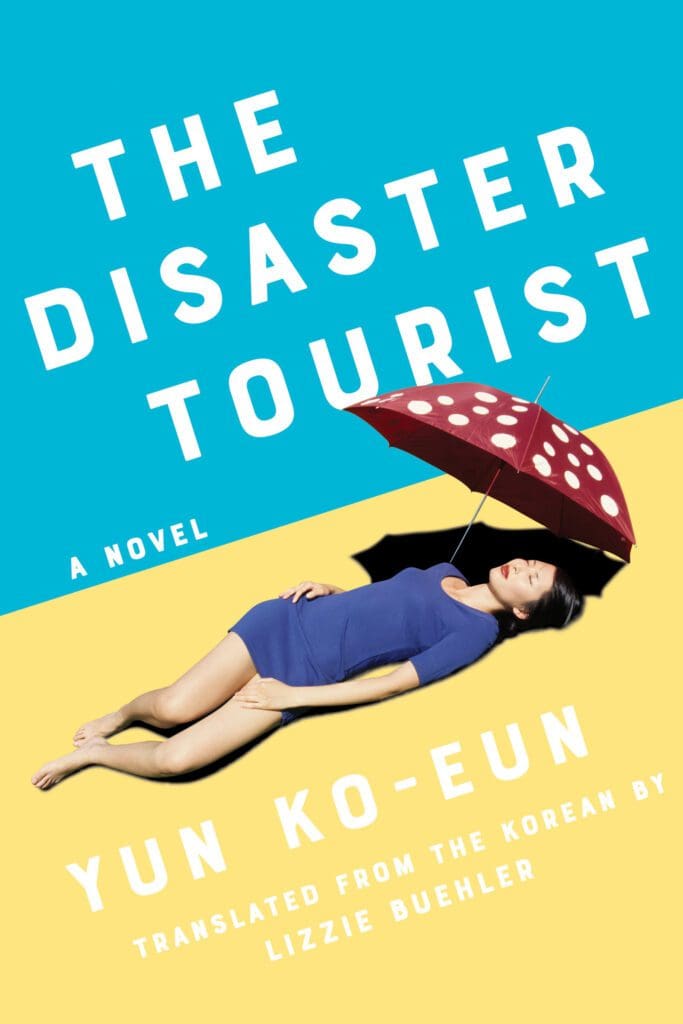
‘The Disaster Tourist’ by Yun Ko-Eun: Craving Catastrophe

by CJ Green

Halfway through Yun Ko-Eun’s The Disaster Tourist (197 pages; Counterpoint Press; translated by Lizzie Buehler), the protagonist, Yona Ko, crumples up an itinerary. “I’ll decide where we go,” she says, and climbs onto a motorcycle and speeds away. It’s a representative moment for the overall novel, which is about power, who has it, and at what cost. When we first meet Yona, she possesses an equable composure. At work, she scans headlines, searching emotionlessly for the latest catastrophe: tsunamis, massacres, earthquakes, wars. To these scarred landscapes, Yona designs travel packages for morbidly curious tourists clamoring for a firsthand look at […]

Continue Reading

ZYZZYVA Staff Recommends August 2020: What to Read, Watch, & Listen to

by ZYZZYVA Staff

As this particularly unusual summer winds to a close, much of California is grappling with dangerous wildfires (here’s a good resource if you’re looking to help out). We hope our readers are continuing to stay safe. As we find ourselves largely confined indoors due to the pandemic and bad air quality, we’re back with another round of Staff Picks to offer some recommended listening, reading, and more: Cade Johnson, Intern: In light of more than 100,000 people across California evacuating this month due to wildfires, and hazardous weather conditions making fires more frequent and more widespread, an important podcast series […]

Continue Reading

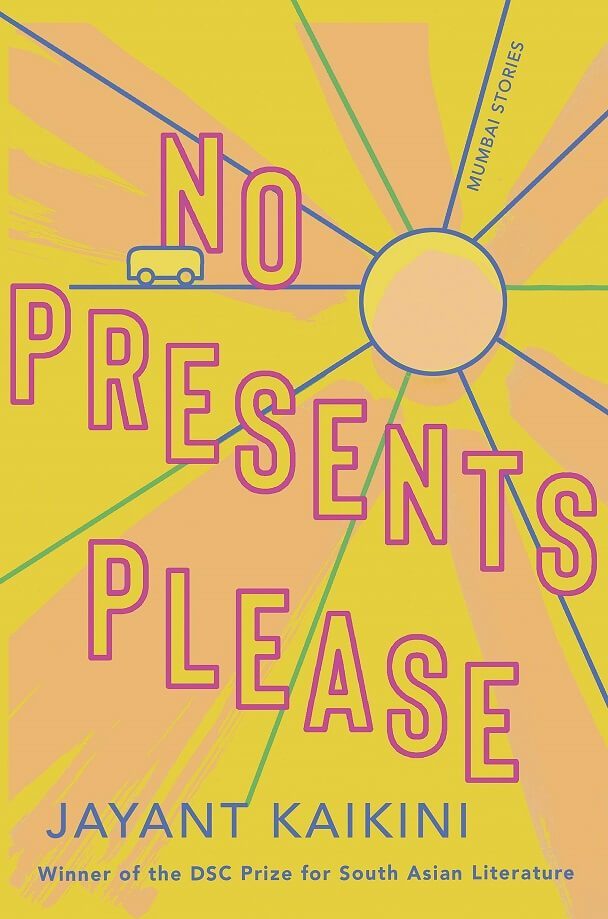
‘No Presents Please: Mumbai Stories’ by Jayant Kaikini: Seeping into the Surreal

by Cade Johnson

Jayant Kaikini’s No Presents Please: Mumbai Stories (274 pages; Catapult; translated by Tejaswini Niranjana), originally published in 2017 and translated into English this year, strikes the balance between dense and utterly readable,  bending reality into the surreal until the unfamiliar becomes familiar again. In his introductory note, prolific translator Niranjana indicates her primary challenge was “to maintain the ordinariness of the narrative until it could be maintained no longer,” and then articulate the shift when the “surreal began to seep into the story.” The first story in the book’s collection, “Interval,” speaks to this quality: it’s a romance between Nandu, […]

Continue Reading

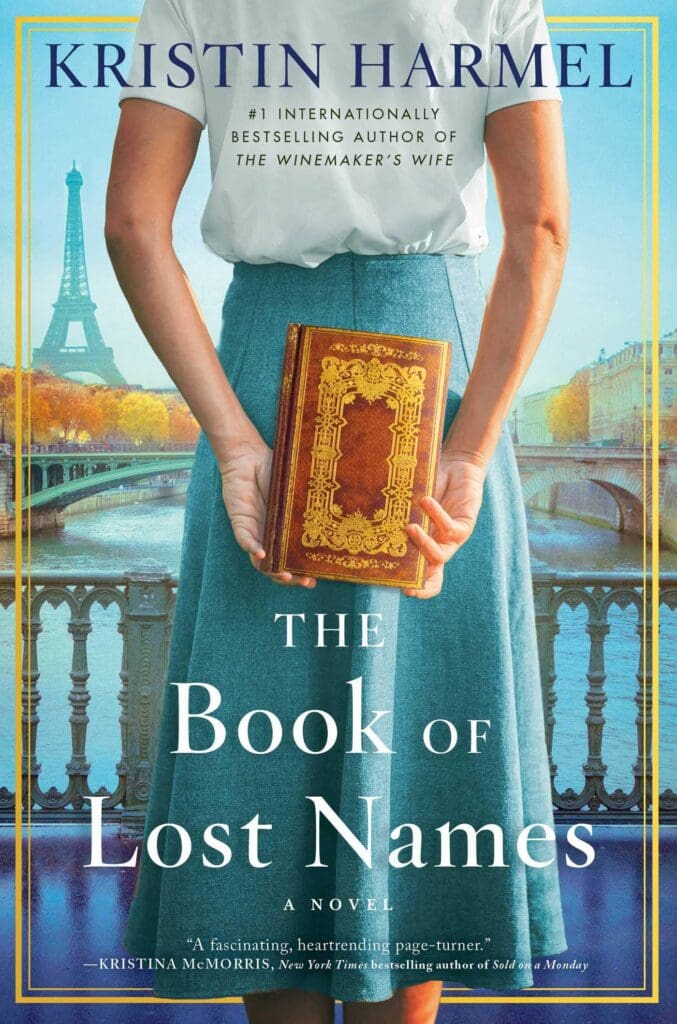
‘The Book of Lost Names’ by Kristin Harmel: Remembering as Resistance

by Jesse Bedayn

Kristin Harmel’s fifth novel, The Book of Lost Names (400 pages; Gallery Books/Simon & Schuster), is a tour de force––a stirring testament to stoicism and courage in the face of “nightmares of monsters dressed as men.” Harmel’s story takes readers back to Nazi-occupied France, where the protagonist, a young, willful Jewish woman named Eva Traube, forges documents for the hundreds of Jewish children to be smuggled from France to Switzerland. If caught, she’ll hang. The heartrending story grapples with the contortion of morality, of faith and hope under duress, and the inimitable power of love. The book jumps between Eva’s years […]

Continue Reading

‘A Candle for San Simón’ by Kelly Daniels: Accidental Comedians, Road Warriors, & Rough Magic

by Paul Wilner

Inside (almost) every “serious’’ novel, there’s some pulp fiction struggling to get out. Kelly Daniels navigates the path between the two, mostly successfully, in A Candle for San Simón (Owl Canyon Press; 276 pages). Mirroring some of the themes of Daniels’ 2013 memoir, Cloudbreak, California, an account of shaking off the legacy of his drug-dealing, surfer-bum father, the new novel is a picaresque narrative of gun-running and gang violence in Guatemala written in a deadpan noir style that sometimes recalls Charles Willeford (and Malcolm Lowry). But the repressed always returns, and a father-son conflict is once again central to this […]

Continue Reading